

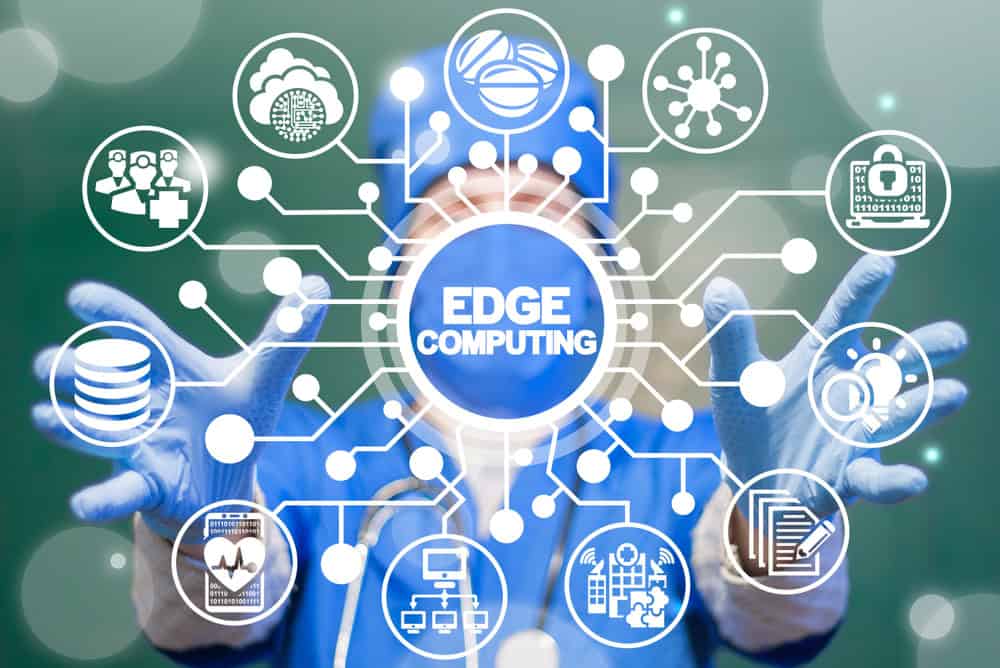
Product teams and architects have had to reconsider where processing should take place due to the proliferation of data, Internet of Things devices, and latency-sensitive applications. The argument encapsulated in Edge Computing vs. Cloud Computing is not about whether technology is superior in a strict sense, but rather about allocating computing resources where they are most useful. In order to minimize round-trip delays and conserve bandwidth, Edge Computing shifts processing, analytics, and occasionally storage closer to sensors, devices, or consumers. When milliseconds count—whether it’s autonomous cars making snap judgments, industrial controllers reacting to safety alerts, or retail point-of-sale systems that need to function even in the event of a network outage—it’s the option.
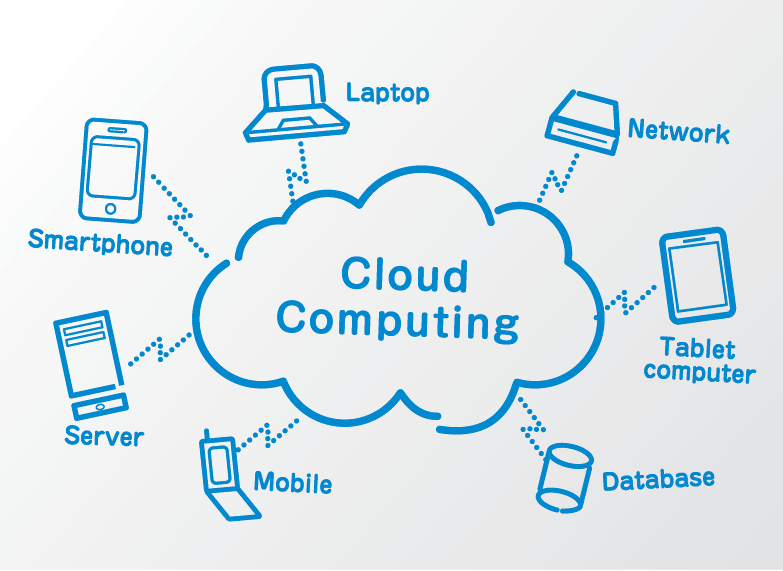
On the other hand, Cloud Computing centralizes resources in sizable data centers, offering managed services for analytics, artificial intelligence, and worldwide distribution along with elastic computational power and massive storage. Heavy lifting is where the cloud shines: it can run enterprise-wide backends, train machine learning models on massive datasets, and offer global redundancy and cost savings through multi-tenant platforms.
The technical trade-offs and practical decision-making process will be covered in this article. It will show how factors like latency, bandwidth, cost, security, and manageability affect whether you design systems at the edge, in the cloud, or using a hybrid approach. You’ll examine specific use cases where each model excels, trends for dividing workloads between the cloud and edge, and operational factors that affect long-term survival, such as governance, monitoring, and upgrades. Understanding the complementary benefits of edge and cloud can help you map needs to infrastructure choices and steer clear of typical mistakes when scaling from prototype to production, whether you’re assessing architecture for an IoT product, a real-time analytics pipeline, or a scalable web service.
Fundamental ideas and their variations
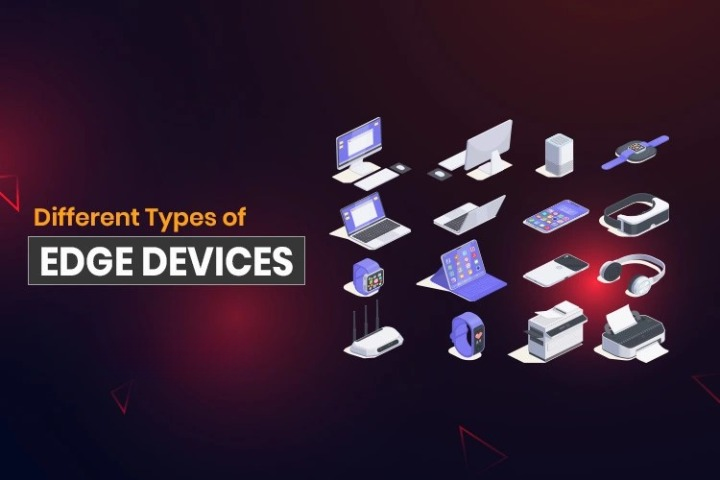
In order to process data locally, edge computing transfers compute resources to network peripheries, such as gateways, on-premise servers, or even the device itself. As a result, there is less need to send each event to the centralized infrastructure, which lowers latency. By centralizing processing in provider-controlled data centers, cloud computing enables extensive managed services, on-demand scaling, and worldwide reach. Trade-offs between size and managed capabilities in the cloud and closeness and immediacy at the edge are at the heart of the architectural difference. The first step in creating systems that satisfy performance, cost, and resilience objectives is to comprehend the implications of each paradigm.
Decision-making in real time and latency
Latency reduction is one of the most compelling arguments for edge computing adoption. Local processing is crucial for applications that need answers in milliseconds, such as autonomous driving, detecting obstacles, or high-frequency trading, and carrying out orders. Even on fast lines, the inevitable round-trip times brought about by the cloud may be too slow for these kinds of situations. Without awaiting approval from the cloud, edge nodes are able to perform local inference models, preprocess sensor input, and respond instantly. Nevertheless, cloud processing is still essential for jobs that can withstand latency and profit from large compute and global databases.
Implications on bandwidth and cost
Raw data transmission to the cloud from thousands or millions of devices might become unaffordable and ineffective. Only significant events are forwarded once data reduction techniques like filtering, aggregation, or summarization are made possible via edge computing. Organizations can lower cloud egress and storage expenses by decreasing ingress traffic. Because cloud providers attain economies of scale, cloud computing continues to offer cost advantages for batch analytics and long-term storage. The best design frequently uses cloud storage and processing for aggregated, historical information and edge computing to reduce the amount of data.
Trade-offs between flexibility and scalability
The scalability of cloud platforms is unparalleled; in just a few minutes, they can scale container clusters, distribute traffic worldwide, and provision thousands of virtual machines. Managing fluctuating workloads and seasonal demand is made easier by this elasticity. On the other hand, network location and physical hardware limit edge resources. Planning for diverse nodes, versioning, and phased rollouts are all part of designing for edge scale. The two are combined in hybrid architectures, which maintain low-latency core functionality on the edge while scaling stateless services in the cloud.
Aspects of security and compliance
Cloud and edge security models are not the same. Since devices are widely dispersed and may be physically accessible, edge nodes expand the attack surface. For this reason, strong device hardening, secure boot, and encrypted communications are essential. On the other hand, cloud providers make governance easier by providing managed key stores, compliance certifications, and centralized security controls. Edge or on-premise processing can assist in meeting compliance requirements for regulated data that is not allowed to leave a jurisdiction. A well-developed approach employs edge-enforced policies for local limitations and cloud-based controls and auditing.
Privacy and location of data
By retaining private or regulated data in one place, local processing at the edge helps privacy-sensitive applications. For instance, healthcare equipment can only send anonymised summaries to the cloud after doing local data analysis. Although cloud computing is excellent at aggregating datasets from multiple locations for cross-correlation, local privacy rules may be violated. To strike a compromise between analytics requirements and legal requirements, design patterns should take data residency into consideration—process where necessary, aggregate where permitted.
Offline operation and resilience
Operational continuity in the event of a connectivity failure is a significant benefit of edge architectures. Retail terminals, remote sensors, and industrial controls need to continue functioning even in the event of a network loss; this resilience is made possible by local logic and cached datasets. Cloud-only solutions are reliant on network availability and may perform worse in the event of a loss of connectivity. When connectivity is restored, hybrid systems can employ edge-first behavior with graceful cloud synchronization, guaranteeing both local dependability and worldwide consistency.
Complexity of development, implementation, and management
Complexity is increased when managing a dispersed fleet of edge nodes; reliable deployment pipelines, remote monitoring, and an OTA update method are required. The testing surface is increased by the possibility that each edge node is running a different hardware or software version. Standard APIs, managed services, and centralized tooling make operations easier in cloud environments. The architecture is frequently determined by the operational burden: while companies that prioritize rapid development may favor cloud-first tactics until edge requirements become clear, those with established DevOps and IoT procedures can take advantage of edge benefits.
Common motifs and hybrid architectures
Most contemporary systems combine the two paradigms. Local preprocessing and inference at the edge, along with cloud-based model training and long-term analytics, is a common trend. Another popular method pushes data plane activities to edge nodes while using the cloud for dashboards and control planes. Low latency and cloud-scale intelligence can be effectively combined through event-driven synchronization, eventual consistency, and adaptive offloading techniques, in which the edge determines which data to convey.
Selecting the appropriate strategy: what questions to pose
Clear needs are the first step in choosing between edge and cloud. Find out what the data volumes are, whether connectivity is sporadic, whether your application requires millisecond responsiveness, and whether there are any applicable regulatory restrictions. Think about the pricing model for continuous data transfer vs investment in edge devices, as well as operational readiness for maintaining distributed infrastructure. The ideal solution is frequently a practical hybrid: use the cloud for scale, analytics, and centralized services while placing what needs to be close to the user at the edge.
Final Thoughts
Cloud computing and edge computing are complementary instruments in a contemporary architect’s toolkit; they are not antagonistic. While cloud offers unparalleled scalability, integrated analytics, and managed services, edge offers immediacy, privacy, and offline resilience. By recognizing the strengths of each strategy and using hybrid patterns, teams may create systems that satisfy strict requirements for cost, performance, and compliance. Architectures that adeptly strike a balance between scale and closeness will be the ones of the future, transforming data into dependable experiences and timely insights.