
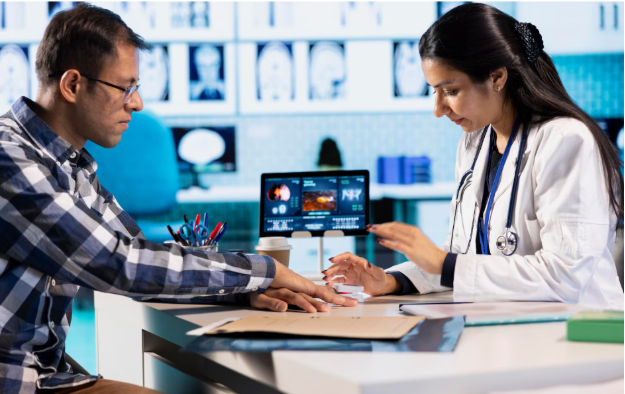
The healthcare field is evolving at a pace that demands both adaptability and continuous learning. One area reshaping the way professionals deliver care is the integration of electronic health records (EHRs). For many entering or advancing in healthcare IT roles, tools like the Epic Skills Assessment serve as an initial step in proving readiness to work with these complex systems.
The Role of Electronic Health Records in Modern Healthcare
Electronic Health Records (EHRs) are more than digital versions of paper charts. They serve as comprehensive, real-time systems that store patient histories, lab results, prescriptions, imaging, and more in one secure platform.
Key benefits include:
- Accessibility: Providers across different departments can access the same patient data instantly.
- Accuracy: Reduces the risk of transcription errors or misplaced records.
- Efficiency: Minimizes redundant testing and streamlines workflow.
- Integration: Links with billing, scheduling, and decision-support systems.
EHRs not only make hospitals more efficient but also improve outcomes for patients who rely on seamless and coordinated care.
Why Healthcare Professionals Need to Understand EHRs
Even for those not directly in IT, EHR systems impact day-to-day responsibilities. Healthcare professionals who grasp how these systems function are better positioned to succeed in increasingly tech-driven environments.
- Nurses and clinicians benefit from quick access to patient data.
- Physicians can make evidence-based decisions faster with integrated support tools.
- Healthcare administrators use EHR data for analytics and quality control.
When professionals understand the broader impact of EHRs, they can avoid frustration, improve workflows, and deliver safer care.
Challenges of Working with EHRs
While EHRs bring significant advantages, they also introduce challenges that professionals must learn to manage:
- Learning curve: Systems like Epic are highly detailed and require training.
- Workflow adjustments: Clinicians must adapt to documenting digitally while maintaining patient interaction.
- Data overload: With so much information available, professionals must learn to filter what matters most.
- Privacy and compliance: Understanding HIPAA and data security is critical.
Addressing these challenges requires both technical knowledge and professional adaptability.
How EHR Knowledge Supports Career Growth
Healthcare is one of the fastest-growing sectors worldwide, and professionals with EHR expertise are in high demand.
Opportunities include:
- Healthcare IT analysts specializing in Epic or Cerner systems
- Clinical informaticists who bridge medicine and technology
- Nursing leaders guiding EHR adoption at the unit level
- Administrators who leverage data for strategic planning
By becoming proficient with EHR systems, professionals gain a competitive edge in hiring and promotions.
Improving Patient Care Through Technology
EHR systems aren’t just about efficiency; they directly influence patient safety and outcomes.
Ways EHRs improve care:
- Clinical decision support: Alerts for potential drug interactions or allergies.
- Data-driven insights: Identifies trends that might predict readmissions or complications.
- Continuity of care: Ensures patients transitioning between providers receive consistent treatment.
- Patient empowerment: Many EHRs provide portals where patients can view their health data and take part in their care.
By mastering EHR use, healthcare professionals play a direct role in improving patient trust and satisfaction.
Tips for Professionals Preparing for EHR-Related Roles
For those seeking to strengthen their EHR skills:
- Start with basics: Learn standard medical workflows digitally.
- Use practice resources: Mock tests and tutorials (like those designed for Epic) help build familiarity.
- Focus on problem-solving: Employers value adaptability over rote memorization.
- Stay updated: Healthcare technology evolves, and so should your learning.
- Seek mentorship: Experienced colleagues can offer guidance and shortcuts for system use.
Investing in these areas not only makes the work easier but also accelerates career progression.
Education and Training Pathways
Healthcare professionals can prepare for EHR-related responsibilities through multiple pathways:
- In-house training: Hospitals often provide system-specific orientation and workshops.
- Certification programs: Epic and other vendors offer certification courses after assessments.
- Continuing education: Universities and training centers include informatics modules in nursing and medical curricula.
- Practice tools: Mock exams and simulations allow professionals to practice under real test conditions.
Building confidence through structured education ensures smoother transitions when technology changes.
Conclusion
Electronic Health Records are no longer just a tool; they’re a core part of modern healthcare delivery. For professionals at all levels, understanding how EHRs impact workflow, efficiency, and patient outcomes is no longer optional—it’s essential. Assessments like the Epic Skills Assessment highlight the importance of readiness and adaptability, but the bigger picture is about growth, continuous learning, and patient-centered care.