

There’s a strange moment that most people in Web3 come across without expecting it. You’re setting up your wallet, everything looks clean and straightforward, and then suddenly—out of nowhere—you’re stuck. The dApp tells you to switch networks. You try. It doesn’t work. Maybe you panic for a second, or maybe you shrug and refresh the page three times, hoping it magically fixes itself. That’s usually when people eventually discover tools like chainlist metamask, though not always in a linear way.
It’s funny how something so small—a single network setting—can decide whether a transaction goes through or fails silently. One minute, everything works. Next, your wallet acts like it doesn’t recognize the chain you’re trying to work with. That’s where tools and shortcuts enter the picture. Not glamorous. Not flashy. Just quietly helpful.
If you’re someone who bounces between different networks—testnets, alt L1s, or random EVM chains that appear out of nowhere—this becomes part of the daily flow. A little chaotic, a little repetitive, but somehow natural. Click here, approve there, and suddenly the wallet behaves again. But for newcomers? This part often feels hidden. Like an Easter egg, no one officially teaches you.
I remember someone saying once, Most of crypto isn’t hard. It’s just annoyingly fragmented. And it’s true. Accessing the right chain, adding it properly, trusting the RPC—it’s all simple yet oddly scattered. You get comfortable eventually. But before that comfort arrives, you search around. You explore guides. You end up on help pages, or some clever community member posts a quick fix. And somewhere in that maze, you run into references to network adders, shortcuts, or community tools.
What’s interesting is how these tools change your rhythm. After using something like chainlist metamask even once, you start relying on it, not because you can’t add chains manually, but because convenience becomes addictive. And honestly, in Web3, a little convenience goes a long way.
How Wallets Handle Different Networks
A crypto wallet may seem like a simple app, but underneath it’s juggling multiple networks at once. Every chain has its own RPC, its own structure, sometimes even its own quirks. One wrong configuration can break the connection entirely. And this complexity doesn’t show itself until the moment you need to use a dApp built on a network you’ve never touched before.
This is why people lean on external tools. They want shortcuts. They want certainty. They want to avoid typing long strings of RPC URLs manually, where one mistyped character ruins everything. Wallets are powerful, yes, but they expect users to understand more than most beginners reasonably can.
Why Adding Networks Manually Confuses People
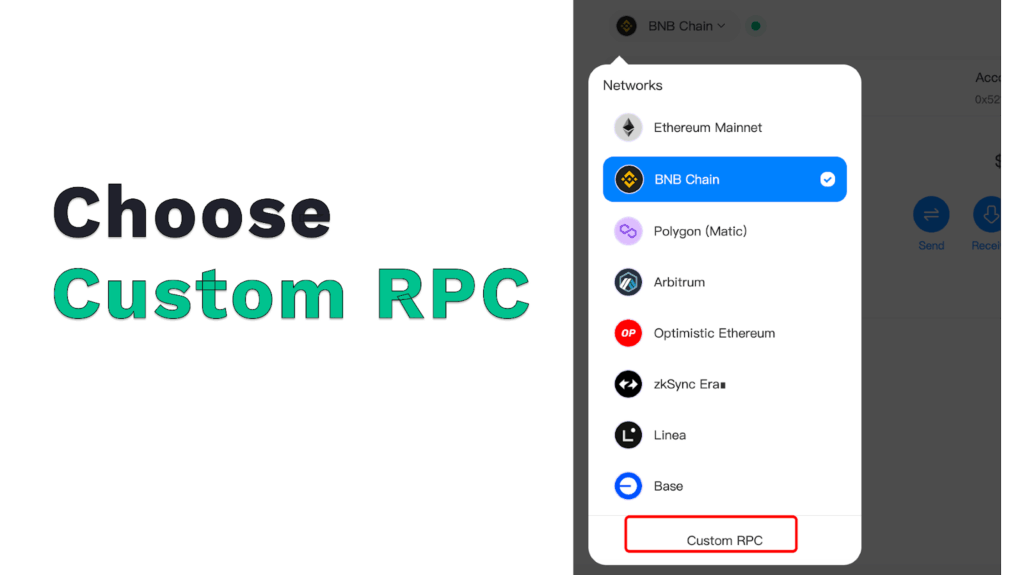
If you’ve ever tried adding a chain manually, you know the odd mix of frustration and hesitation. The fields look simple enough, but they’re not intuitive. Chain ID? RPC? Block Explorer? And occasionally the wallet complains about something without explaining why.
People assume they’re doing something wrong when in reality the data itself may be outdated or incomplete. Tools step in to bridge that gap by offering verified information. No guesswork. No weird error messages that appear and vanish mysteriously.
The Role Of Third-Party Tools In Simplifying Web3
Simplification doesn’t get enough credit. In Web3, small tools often make the difference between someone staying engaged and someone quitting. Convenience shapes adoption more than anything else.
When a tool automatically places correct chain details into your wallet, it removes friction. That friction—tiny as it seems—accumulates over time. New chains emerge constantly, and keeping up manually becomes tedious. Tools reduce the mental load and let users focus on the actual activity rather than configuration.
A Look Into Common User Behavior
Most people don’t discover wallet shortcuts during planned learning. They find them during panic. A failed swap. A dApp error. A staking platform is refusing to load. Users work backward from the problem until they find the hidden fix.
It becomes a little ritual: search the name of the chain, hope someone posted a working RPC, try it yourself, and repeat. After a few rounds of this, the appeal of simpler solutions becomes obvious. Not glamorous, but dependable.
When Wallet Switching Becomes A Daily Routine
Once you start exploring multiple ecosystems—maybe for NFTs, maybe for low-fee swaps—network switching becomes second nature. But second nature doesn’t mean effortless. Some days, you forget which chain you were on. Other days, you approve a transaction only to realize you’re on the wrong network.
Tools smooth out these edges. They turn messy workflows into predictable patterns. And even though this predictability isn’t noticeable at first, it creates long-term ease.
Micro-Stories From Early Crypto Days
Ask anyone who joined crypto early and they’ll share a story that starts with I accidentally sent something to the wrong chain… It’s practically a rite of passage. People experimented without fully understanding the constraints of networks. Mistakes were common. Lessons were loud.
Now, with more polished tools and stronger guidance, fewer people fall into those pitfalls. But the fear remains. And honestly? That fear pushes people toward streamlined options rather than manual setups.
How Network Errors Shape User Experience
Network errors aren’t dramatic. They’re subtle, almost shy. A page is stuck on loading. A button that refuses to highlight. A gas estimate that looks suspiciously wrong. Users often blame the dApp, not the wallet configuration, which leads to unnecessary confusion.
Solving these issues becomes easier once you learn what to check. Correct chain = fewer headaches. And when that chain is added automatically with proper details, those headaches mostly disappear.
Why Convenience Matters In Web3 Tools
In an industry that evolves weekly, convenience isn’t luxury—it’s survival. People want tools that reduce friction because friction kills momentum. When someone discovers a smoother way to handle networks, they adopt it almost immediately.
Wallets themselves evolve slowly. But the tools surrounding them adapt quickly, filling gaps before users even notice those gaps exist. That responsiveness shapes user loyalty more than brand names or flashy features.
Bridging The Gap Between Beginners And Experts
Beginners struggle with network configuration. Experts don’t. But interestingly, experts also prefer automated tools—not because they can’t configure things manually, but because they value time. Tools that help beginners also quietly support veterans.
This shared dependence creates a universal thread across experience levels. It shows that simplicity isn’t just for newcomers. It benefits everyone navigating the ever-expanding maze of chains.
Conclusion
As Web3 grows, so does the need for smooth navigation across networks. Whether someone uses chainlist metamask for quick access or prefers manual configuration, the core idea remains: simplicity matters. Tools that automate chain connections help reduce errors, speed up interactions, and make the entire ecosystem more approachable. In a world full of new chains, ever-changing systems, and constant innovation, anything that lightens the load becomes essential—not just convenient.