

There’s a moment we’ve all experienced: you click on a video expecting it to look crisp, maybe even cinematic, and instead it loads in some blurry, washed-out quality that makes you squint at the screen. It happens more often than we admit—slow Wi-Fi, old uploads, or random compression causing visuals to fall apart. That’s usually when people start wishing for something smarter, something that makes older or low-resolution videos magically look better. It’s also where technologies like super resolution quietly step in.
The idea itself feels almost invisible when it works well. You don’t really think about the algorithm behind it. You just notice that the video suddenly looks sharper, the edges seem cleaner, and the overall detail feels more alive. There’s a kind of silent convenience in it—no big button to press, no complicated setup, just an instant improvement that feels almost unfairly smooth. Sometimes you forget a video was originally low quality because the enhancement blends so seamlessly.
Streaming habits today are unpredictable. People switch between phones, TVs, and laptops, sometimes all in the same day. We watch old vlogs, documentary clips from years ago, gameplay videos uploaded in 720p, or family clips that never had great quality to begin with. And yet our expectations have shifted. We want clarity—even when the original footage isn’t able to provide it. So when platforms begin offering smarter upscaling, or when graphics companies bring enhancements right into hardware, viewing suddenly feels… modern. Almost effortless.
Still, understanding how these features slip into daily use is interesting.
Whether someone first notices the option while browsing settings, or hears a friend mention super resolution YouTube, or even encounters GPU-level enhancements like super resolution NVIDIA, it sparks curiosity. What is this thing running behind the scenes? How does it make videos look better without the source changing? These small questions, usually asked casually, hint at a bigger shift in how we experience content today. And exploring that shift reveals just how much clever engineering hides beneath simple everyday moments.
How Video Upscaling Emerged As A Quiet Necessity
Not too long ago, people were satisfied with whatever quality was available. If the video played, that was enough. But as screens improved—4K TVs, sharper mobile displays—older content started looking increasingly mismatched. Viewers wanted more clarity, even when the source material couldn’t offer it.
That desire for improvement created the perfect environment for smarter upscaling technologies. Instead of merely stretching pixels, the new systems analyzed patterns, edges, and textures to reconstruct details. The results surprised people: suddenly, blurry videos weren’t so blurry anymore.
Why Streaming Platforms Embraced Enhancement Technologies
Streaming platforms thrive on user experience. If viewers enjoy clearer videos, they stay longer. It’s that simple. So when technologies like super-resolution YouTube began surfacing, it made sense. Platforms realized they could improve millions of videos instantly—especially older, lower-resolution ones—without creators having to reupload anything.
This enhancement becomes a subtle upgrade. Most users don’t dig into the settings menu. They just notice the videos look… better. And that quiet improvement carries real weight.
The Role Of GPUs In Sharper Visuals
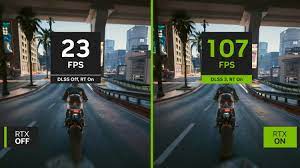
Graphics processors handle enormous workloads, and companies realized these chips could help enhance video clarity, too. That’s where options like super resolution, NVIDIA stepped into the picture. Instead of relying solely on the platform, the hardware itself starts cleaning up the visuals.
It’s almost like giving your device an extra brain—one that focuses specifically on making things look crisp. Gamers saw immediate benefits, but even regular viewers began noticing improved playback quality on supported devices.
The Shift Toward AI-Enhanced Upscaling
AI became the biggest differentiator. Instead of traditional upscaling methods, new models learned from thousands of patterns. They recognized how objects should look, how movement should behave, and how noise should be reduced without making everything look artificially smooth.
AI didn’t just sharpen edges. It rebuilt missing information convincingly. That’s why AI-driven upscaling feels more natural than older techniques.
Everyday Moments Where Upscaling Helps
Most people don’t think about enhancement technology until they see it in action. You might watch an old music video and suddenly notice details that would’ve been invisible before. Or you play a tutorial that was uploaded years ago, and the text on the screen becomes easier to read.
These small improvements add up. Even when watching casual content—reaction videos, vlogs, old livestreams—the viewing experience feels more pleasant. It’s subtle, but powerful.
Why Some Videos Benefit More Than Others
Upscaling isn’t magical. It works best when the original video already has recognizable patterns. Crisp edges, clear subjects, stable lighting. Older smartphone videos or heavily compressed uploads sometimes challenge the system, but even then, enhanced versions often look noticeably better.
The degree of improvement varies, but the intent remains consistent: elevate the viewing quality without altering the essence of the video.

How User Expectations Have Changed Over Time
Once viewers get a taste of enhanced clarity, it becomes difficult to go back. People begin expecting higher quality across all platforms—phones, TV apps, streaming services, even offline players.
Suddenly, low-resolution footage feels outdated, even if the content itself is great. This shift pushes platforms to adopt smarter enhancements faster.
The Connection Between Device Evolution And Video Quality
As screens evolve, so do demands. A high-resolution display exposes flaws in older content more clearly. Pixelation that once went unnoticed becomes distracting.
This is why modern devices shine when paired with upscaling features—they compensate for natural flaws in old footage, making everything look more fitting on today’s sharper screens.
Exploring The New Playback Settings On Streaming Platforms
People often discover features accidentally while exploring menus. It’s almost amusing—one day you’re just watching a random video, and the next, you notice an option like a super resolution feature on YouTube tucked under playback settings. Some users toggle it out of curiosity, then instantly notice the improvement.
It’s these quiet, almost hidden updates that enhance the user experience without demanding attention. Subtle, but game-changing.
The Future Of Video Enhancement In Everyday Devices
Upscaling today feels smooth, almost effortless. But it’s still growing. Future versions may improve motion handling, color accuracy, or even dynamically adjust based on the type of content being played.
What’s fascinating is how this technology blends into daily life. It doesn’t demand learning or configuration. It just works. And that ease will only increase as more devices adopt smarter enhancements.
Conclusion
Sharper video isn’t just about bigger screens or higher resolutions anymore. It’s about the layers of intelligence enhancing every pixel behind the scenes. Whether through super resolution YouTube, hardware-assisted options like super resolution NVIDIA, or subtle improvements in the super resolution feature on YouTube, viewers now experience cleaner playback without extra effort. As AI continues reshaping visual clarity, the future of streaming looks brighter—literally and figuratively—with technology quietly elevating every moment we watch.