
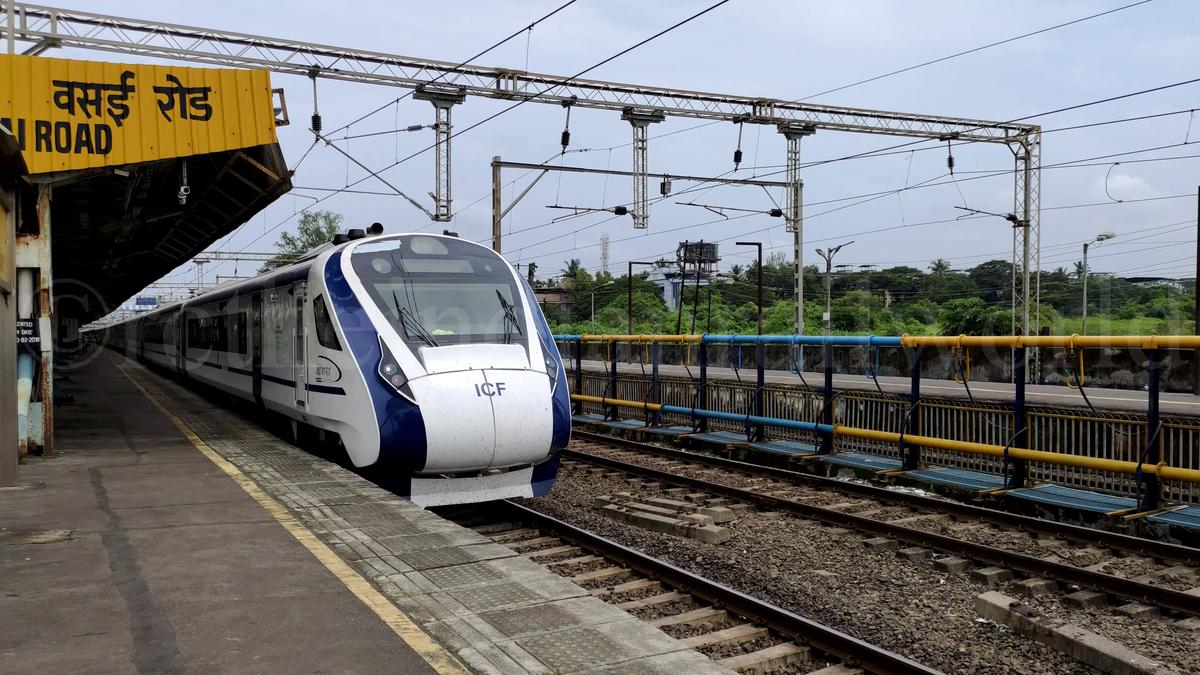
If you’re browsing the suburbs north of Mumbai, the name Vasai Road railway station often comes up — familiar to commuters, travellers and locals alike. Vasai blends a working-town vibe with coastal history, and few places illustrate this better than the busy junction station that connects many routes. But Vasai is more than trains — it’s a patchwork of old forts, postal codes, changing weather, and neighbourhood shifts.
From dusty platforms to sea-breeze afternoons — there’s a charm in how everyday hustle intersects with historical calm here. Back in 2023, I hopped off at Vasai and spent a few hours just observing people — travellers with luggage, daily commuters with bikes, students chatting, vendors selling chai. That blend of patterns, noise, and serenity — it’s Vasai in a nutshell.
As you explore further, you’ll notice how even small details matter: postal codes like vasai east pin code or vasai west pin code letting you pinpoint areas; weather updates simply labelled “Vasai weather” because seasons shift so fast near the coast; and then there’s vasai fort, a remnant of history that still casts a calm, silent shadow over the modern bustle.
In this write-up, we’ll walk you through the multiple faces of Vasai — its railway lifeline, postal zones, climate rhythms, the legacy of its fort, and how all this combines to shape daily life. Think of it as a gentle tour through a town that’s always moving yet holds a quiet pulse of the past.
The Railway Hub That Connects
The heart of connectivity in Vasai is Vasai Road railway station. This station is part of the Western line and also connects via the Vasai–Roha line, making it a junction of significance.
Imagine early morning scenes: local trains arriving packed, passengers squeezing in, vendors offering tea and snacks, occasional announcements echoing across platforms. For many, this is the first taste of Vasai — a transient yet deeply familiar first impression. Over the years, this junction has enabled easy commutes for those working in Mumbai and nearby industrial zones.
Because of its connectivity, the station isn’t just a transit point — it becomes a meeting point, a reference marker, a place where daily lives intersect. Students, workers, families — everyone passes through, making it a central artery to understand local rhythm.
Postal Codes and Local Addressing
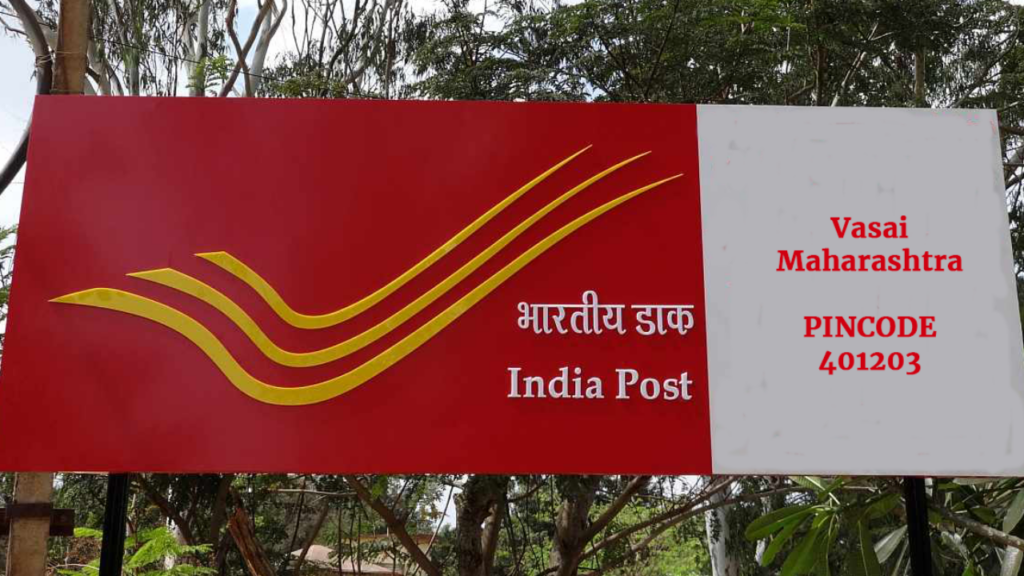
One often overlooked but crucial aspect in Vasai is its postal mapping. For example, Vasai East pin code is 401208.
Similarly, Vasai West pin code covers multiple sub-regions, including 401202 (and other related codes).
Why does that matter? Well, with diverse settlements — from industrial belts to residential pockets, from older fishing hamlets to newer housing colonies — postal codes help in giving precise identity to every nook. When a courier arrives, or when someone gives a contact address over the phone or WhatsApp, these codes guide the way.
I remember once I got a package delivered to a small lane in Vasai East. Not knowing the pin code, I had to navigate call after call — with zero success. When I finally asked for the pin code (401208), the person on the other end suddenly remembered every landmark around. That small six-digit number carried a whole network of memory for them.
For newcomers or people shifting houses, knowing whether you lie in the “East” or “West” zone can make a big difference — for mail, utilities, or even deliveries.
The Coastal Climate and Weather Patterns
One thing that shapes daily life in Vasai is its coastal climate. Looking at the forecast for “Vasai weather,” you’ll see a typical pattern: warm afternoons, humid evenings, and a mix of sunny spells and periodic rains.
During monsoon months, things change drastically — humidity rises high, breezes bring relief but also unpredictability. Residents often plan their mornings and evenings around the weather: morning commutes prefer cooler hours, afternoons see power naps or shelter, and nightlife depends on clear skies.
In summer, the coast gives a different vibe. Hot midday sun, occasional thunderstorms, and then evenings cooled by sea breeze. People working outside — labourers, vendors, vendors at the station — often gauge their day by temperature swings and wind speed.
Weather isn’t just small talk here; it shapes schedules, moods, and even how people dress. In a place like Vasai, where history and modern life sit side-by-side, climate becomes part of daily rhythm.
From Portuguese Bassein to Modern Vasai — The Historic Legacy
One of the oldest markers of history here is Vasai Fort (also known historically as Bassein Fort). The fort stands as a silent witness to centuries of colonial rule, maritime trade, battles, and shifting empires.
Walking through its moss-covered ramparts and broken gates, you can almost sense whispers of the past. Ships docking in the old harbour, sentries on lookout, markets bustling near the shore. It’s a contrast to the hum of scooters, the chatter of crowds at the railway, and the neon glow of modern signboards.
I once visited the fort just after the monsoon. The sky was overcast, clouds hung low, and the sea breeze brought a salty tang that mingled with the wet earth smell. Standing near the old walls, hearing waves crash far below — it felt like the past momentarily stretched into now.
For regular commuters or families growing up in Vasai, the fort isn’t a relic — it’s part of identity. On weekends, kids run around, elders sit on benches, couples stroll hand-in-hand. It’s not just a tourist spot — it’s local history woven into their lives.
Daily Life: Suburbs, Housing, and Community Growth
Vasai has grown considerably over the last few decades. What was once a cluster of coastal villages is now a sprawling suburban-industrial zone. Areas under Vasai West pin code, such as 401202, are known for residential housing colonies, factory zones, and newer developments.
Yet even with growth, you will find small-scale markets, narrow lanes, traditional vendors and close-knit neighbourhoods — a mix of old and new. For many long-term residents, the charm lies in this blend: the convenience of the suburbs, the roots in history, and the familiarity of the community.
Renters, students, workers — all converge here. The presence of a major railway junction makes it accessible without breaking the bank. In that sense, Vasai feels like a middle ground: not as congested or costly as city hubs, yet alive enough to offer urban amenities.
Transport, Connectivity and the Commuter’s Reality
Because Vasai station (the junction) connects multiple lines, commuting becomes part of the daily routine for many. Morning trains, evening rush hours. Locals carrying school bags, office files, sackfuls of groceries. Life flows around the rails.
Connectivity also impacts growth: new housing developments, small businesses near the station, roadside shops, and eateries for morning and night commuters. For someone new arriving at Vasai Road, this network becomes the backbone — linking homes to jobs, education, markets.
Often, you overhear stories — a student from a nearby town catching a 6 a.m. train to college, a worker returning late at night after a shift, a family planning weekend outings. The station doesn’t just serve travel; it shapes life trajectories.
Postal Identity Matters — Why Pin Codes Still Count
In big cities, pin codes sometimes feel like an afterthought. But in places like Vasai, they remain deeply relevant. Whether it’s for mail delivery, official documents, local businesses, or simply telling someone your area — knowing whether you’re in 401208, 401202 or other codes helps.
These codes also reflect geography — East, West, or road-linked zones (like near the station). For new residents or people relocating from Mumbai, this clarity helps avoid confusion in address-based verifications, deliveries or utilities.
I’ve seen how a small misunderstanding in the postal code leads to misplaced deliveries and delayed paperwork. Once someone shared the correct “Vasai East pin code”, the entire confusion cleared up within 24 hours. That’s postal power in everyday life.
Climate, Monsoon and Living Patterns
Living near the coast means adapting to the weather. The “Vasai weather” forecast isn’t just about temperature — it forecasts moods, plans, comfort. Rainy days often mean slowed commutes, delayed trains, and waterlogging in older areas.
Yet monsoons add a kind of magic: the air smells fresh, trees look greener, the fort looks folkish under grey skies. People often say, “Monsoon is when Vasai breathes.”
Summer, on the other hand, brings its own rhythm: hot afternoons, humid evenings, early starts for people heading to work before sun-peak. Schools, shops — most life adjusts itself around climate patterns.
If you’re planning a visit, it helps to check local forecasts. Weekend walks near the fort or by the coast feel much different under a clear sky than under monsoon clouds.

The Interplay of History and Modern Growth
What fascinates about Vasai is how history and modern suburbia co-exist. Ancient forts and modern commuters. Coastal sands and concrete roads. Postal codes and railway junctions.
For residents old and new, Vasai offers grounded living — not too loud, not too sparse. For travellers, it offers glimpses of colonial history, sea-air breaks, and a taste of suburban Indian life.
The next time you step out at Vasai Road station, or stroll near a lane in Vasai East or West, or watch the sunset near the fort, you’ll feel the layers. Over decades, over eras, over everyday lives.
Conclusion
Vasai is more than just a pin code or a station. Whether you know it through Vasai Road railway station, or track its Vasai East pin code or Vasai West pin code, or check “Vasai weather” before stepping out — it remains a place of convergence: of history and present, of commuters and coastlines, of dreams and daily routines.
For anyone seeking a town that balances accessibility with calm, heritage with growth, Vasai quietly offers both.