
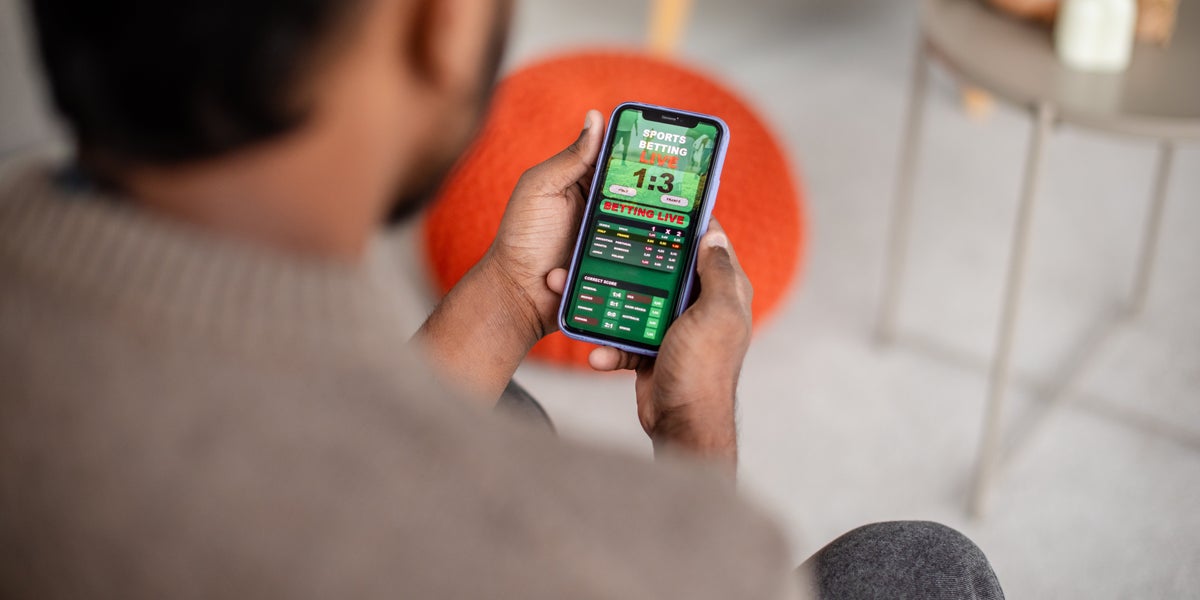
A sports betting app lives on the same screen as messaging apps, food delivery services, score trackers, streaming platforms, and banking tools. That changes the standard completely. Users are no longer judging it only against other betting brands. They are judging it against everything else that already feels smooth on a phone. The sports betting page in this brief reflects that pressure in a very direct way. It puts the focus on a simple interface, free app access, live scores, pre-match and live betting, customer support, and support for Indian payment methods such as UPI, Google Pay, PhonePe, and Paytm. It also says the platform covers more than 60 sports and a wide range of tournaments.
That kind of scale sounds attractive, but large menus do not impress people for long if the app feels tiring to use. On mobile, the real test is much more ordinary. Can the user open the app and immediately understand where to go. Is the live section easy to find. Do the sports categories feel organized or crowded. Can the odds be checked quickly without endless tapping. These are the details that shape trust before a single bet is placed. A product can promise thousands of predictions and still lose attention in the first two minutes if it feels too busy or too confusing. The apps that stay installed are usually the ones that reduce effort instead of adding more of it.
Why Easy Access Matters More Than an Endless Sports List
A huge sports library looks good on a page, but phone users care more about how that library is arranged than how long it is. The source page lists major sports such as cricket, football, tennis, basketball, and baseball, then goes further into rugby, boxing, MMA, table tennis, badminton, hockey, squash, handball, futsal, and lacrosse. It also says the platform covers well-known championships and smaller fixtures across different calendars. That range can be useful, but only when the app helps people move through it without making the screen feel overloaded.
When someone opens a parimatch sports betting, the first need is rarely “show me everything.” It is usually much simpler. Show the live matches. Show the upcoming games. Show the sport I care about right now. If the app understands that sequence, the session starts feeling easy. If it throws too much content at the user all at once, the same variety starts to feel heavy. This is one of those areas where restraint matters more than excitement. The calmer the structure, the more useful the app becomes.
Live Betting Changes What Good Design Looks Like
Live betting puts more pressure on the interface than pre-match betting because the user is reacting to a moving event. The page behind this brief makes that clear by highlighting live betting across major sports and by describing how the odds change during the game. It also lays out a basic path for using the live section – open Sports, choose Live, pick an ongoing match, review the available options, and place the bet. That may sound obvious, but on a phone, obvious is exactly what people want.
A live section should never feel like a maze. Someone checking a cricket over or a football match does not want to search through extra layers just to get back to the market they were watching a minute earlier. This is where betting apps quietly start borrowing rules from mainstream entertainment products. They need quick re-entry, clear structure, and a layout that still makes sense after interruption.
More Markets Help Only When They Stay Readable
The source page spends a lot of time showing depth. It mentions ICC cricket events, IPL, major football tournaments, Grand Slam tennis, NBA, EuroLeague, Pro Kabaddi League, and many other competitions. It also describes basic bets, session-style betting in cricket, player performance markets, and multi-selection tickets. On paper, that kind of range makes the platform look busy and full of options. In practice, the better question is whether the user can sort those options quickly enough for them to stay useful.
What people usually notice first
- How quickly live matches appear.
- Whether the sports menu feels clean.
- Whether the odds are easy to scan.
- Whether common markets are visible without too many taps.
Those details are small, but they often decide whether the app feels comfortable or exhausting. On a phone, there is almost no space for visual indecision.
The Apps People Keep Are Usually the Ones That Waste Less Time
The same page also pushes welcome offers, cricket campaigns, and promo mechanics, including a 150% sports welcome bonus up to ₹20,000 with a minimum deposit of ₹100 and specific wagering terms. Those offers may catch attention, but they are rarely what keeps an app in regular use. What keeps people coming back is whether the product feels steady. Can it open quickly. Can it lead the user to the right sport fast. Can it make repeated check-ins feel simple instead of annoying.
That is really what separates a decent sports betting app from one that feels well built. The strongest products are not necessarily the loudest ones. They are the ones that understand how people actually use their phones. Short visits. Constant interruptions. Quick decisions. Little patience for clutter. When an app respects those habits, even a large sports library starts to feel manageable. When it does not, the whole product begins to feel larger than life in the worst possible way.