

Most online dashboards today try to look sleek and modern, yet somehow they still end up confusing people the first time they log in. The Ffr Intas portal is a little different in how it approaches usability, although it does take a moment to get used to. When users try to access the ffrintas login for the very first time, they usually pause at the homepage, wondering where exactly the essential features are tucked away. The design isn’t overly complicated, but it does invite you to hover around the menu for a few seconds before everything starts to click, almost like exploring a new app that feels familiar but still has its own quirks.
The interesting part? Many users don’t actually explore half the available tools during their initial sessions. They check only the basics—updates, a few notifications, the regular dashboard cards—and then move on. Later, when a specific requirement pops up, they suddenly realize there’s a pretty helpful set of features tucked deeper inside the portal. That discovery moment happens often, and it’s oddly relatable. Everyone has clicked around a platform absentmindedly only to stumble upon something genuinely useful.
And since digital platforms evolve constantly, especially ones built for operational or organizational use, the Ffr Intas environment tends to adapt quietly in the background. New updates appear without much noise, and the user notices them only when something looks slightly different. That gentle shift keeps the platform feeling current without overwhelming the regular flow of tasks. It’s a thoughtful approach, really, because too many changes at once can derail the user experience.
Still, for someone visiting the portal right now, especially those unsure about where to start, a detailed guide helps. Not the stiff, instructional kind—but something a little conversational, with real-world hints. So let’s walk through the pieces that make the portal functional, how navigation subtly shapes productivity, why certain features matter, and how users gradually become comfortable with the interface. Think of it as a friendly nudge rather than a strict tutorial.
Understanding the Core Structure of the Portal
The first thing people tend to notice is the layout. It’s not crowded, but it isn’t empty either. There’s a balance between function and screen space, almost like the portal wants users to breathe while navigating. Some elements are placed exactly where you expect them, while others sit slightly off-center, prompting a brief second look. Funny how such tiny placements affect perception. But once seen, the structure becomes familiar quickly.
How Users Typically Navigate the Main Dashboard
Most users jump straight to the dashboard, ignoring the smaller side links. A common human thing—go where the obvious button leads. The dashboard displays essential info up front, the stuff people check multiple times a day. But if you drift a little around the tabs, you’ll see the portal isn’t just about showing data. It tries to simplify small tasks too, like quick access fields or shortcuts that pop up at the right time.
Small Features That Make Everyday Tasks Smoother
You know how some platforms hide tiny conveniences that go unnoticed for weeks? This portal has a few of those. Subtle things—auto-filled fields, quick confirmations, and consistent pop-up cues. They may sound ordinary, but when someone works in a rush, these details help. Users often realize it only after missing such features on other platforms and thinking, “Wait… why isn’t it that simple here too?”
Why Familiarity Develops After a Few Sessions
Interfaces usually feel foreign at first. The Ffr Intas portal has that same learning curve. But over time, patterns emerge. The sidebar begins to make sense, the icons start looking recognizable, and tasks feel quicker. This gradual comfort is the reason users end up relying on the portal more. And honestly, most systems work like this—repetition creates confidence.
Exploring the Login and Security Experience
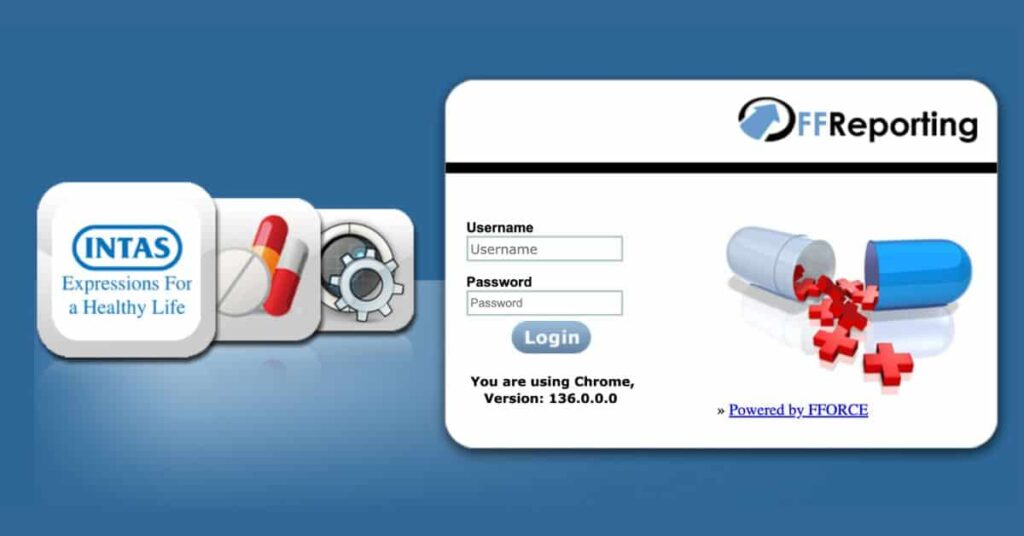
Security pages often look intimidating, but here it’s straightforward, even if a bit strict. The authentication feels clean and stable. Now and then, users ask if there’s a shortcut or alternate method. Not really. It sticks to its method because reliability matters more here. And yes, mid-sentence, the portal guides users subtly during the FFrintas login to avoid errors.
Hidden Tools That Are Easy to Overlook Initially
There are a few deep-linked tools that rarely get noticed. Perhaps because users expect them under different labels or tucked inside other menus, it’s only when someone stumbles across them—maybe while searching for something unrelated—that they realize the portal has broader capabilities. A gentle reminder that it’s worth exploring beyond the obvious.
How Real Users Adapt to Frequent Interface Updates
Updates don’t arrive with fancy banners here. They appear quietly, sometimes almost unnoticeably. A button moves an inch. A menu expands differently. A text block changes tone. People usually adapt without thinking, though occasionally a moment of “Was this always here?” pops into their mind. That’s normal across most digital dashboards.
Situations Where the Portal Saves Time Unexpectedly
Every user has that one moment where the platform feels unexpectedly helpful. Maybe a report loads faster than expected. Or a repetitive task gets completed in half the usual time. These small wins build trust. And when trust builds, people rely on the tool without overthinking. That’s the quiet power of efficient systems.

Why Smooth Navigation Matters More Than Fancy Design
A visually heavy platform may impress at first glance, but it becomes tiring quickly. This portal isn’t trying to win a beauty contest. Instead, it focuses on simple flow and fewer distractions. The smoother the navigation feels, the easier it is to stay on task. It’s almost a universal rule now—simplicity beats flashiness.
Balancing Functionality Without Overloading Users
Too many features can drown a person. Too few can feel limiting. The portal aligns somewhere in the middle. It offers what’s necessary and hides the rest. Users appreciate this balance because it doesn’t pressure them to learn ten things at once. They explore what they need, when they need it, at a comfortable pace.
Conclusion
The Ffr Intas portal, with its calm layout and subtle guidance, grows on users gradually. It doesn’t overwhelm, and it doesn’t try too hard. Instead, it lets people discover features naturally while keeping essential tasks accessible. Over time, the portal feels familiar—almost predictable in a good way. Whether someone logs in daily or just occasionally, the experience stays consistent and reliable, making the system an easy companion in regular workflow routines.