
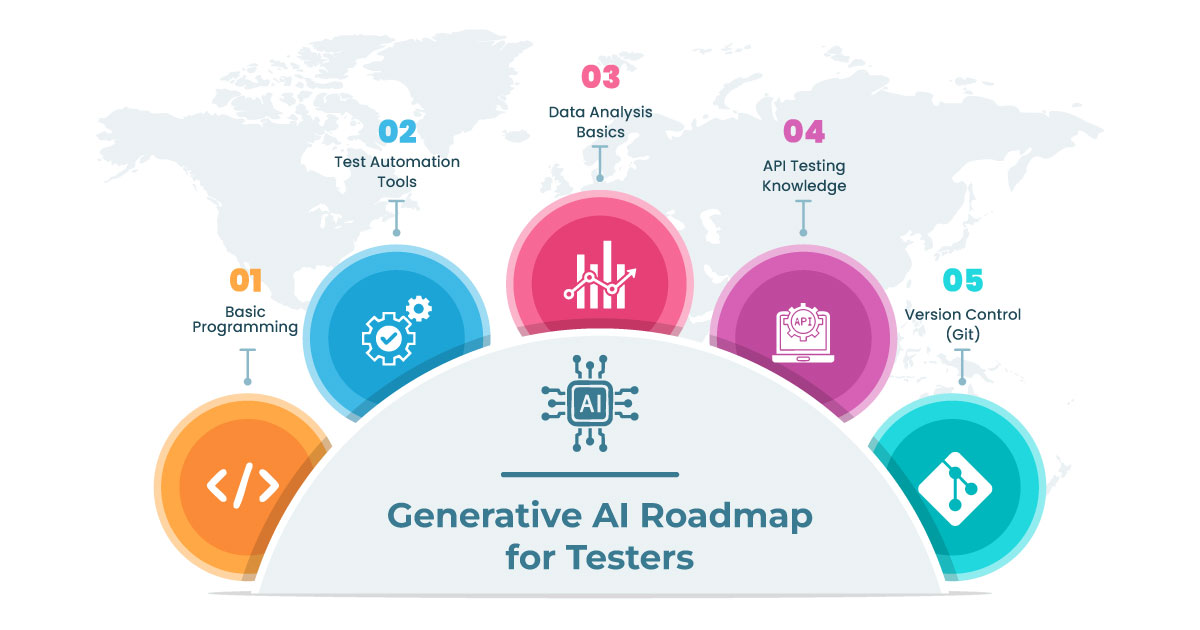
The phrase gening AI has started appearing in more conversations than expected. Sometimes it shows up in casual tech discussions, sometimes inside blog headlines, and occasionally in tools people are already using without realizing it. And that’s the interesting part. Unlike older technical terms that demanded effort just to understand, gen AI tends to blend quietly into daily digital experiences. People interact with it, benefit from it, question it, and move on — often without stopping to name what’s actually happening behind the screen.
At a surface level, gen AI feels like a natural extension of automation. But that description barely scratches anything meaningful. The deeper idea revolves around systems that don’t just follow instructions but generate outcomes — text, visuals, audio, code, patterns — based on learned structures. This generation aspect changes expectations. Instead of waiting for exact commands, users begin to experiment. They try prompts. They tweak inputs. They observe variations. And slowly, almost unconsciously, they adjust how they think about creativity and problem-solving.
Many people encounter GPT-3 for the first time while testing a writing assistant, an image generator, or a summarization tool. The initial reaction is usually curiosity mixed with mild disbelief. “It did that… this fast?” Then comes repetition. Trying again. Slightly changing words. Watching results shift. This interaction creates a sense of collaboration rather than control. It doesn’t feel like pressing a button anymore. It feels like guiding a process.
What makes this even more compelling is how little technical background is required. Users don’t need to understand models, parameters, or training data to experience the output. The interface remains approachable, sometimes deceptively simple. Yet underneath, complex systems are constantly predicting, adjusting, and generating. This guide doesn’t aim to impress with jargon. Instead, it walks through what gen AI actually represents, how it shows up in everyday contexts, and why it continues to attract attention across industries, conversations, and creative workflows.
What People Usually Mean When They Say Gening AI
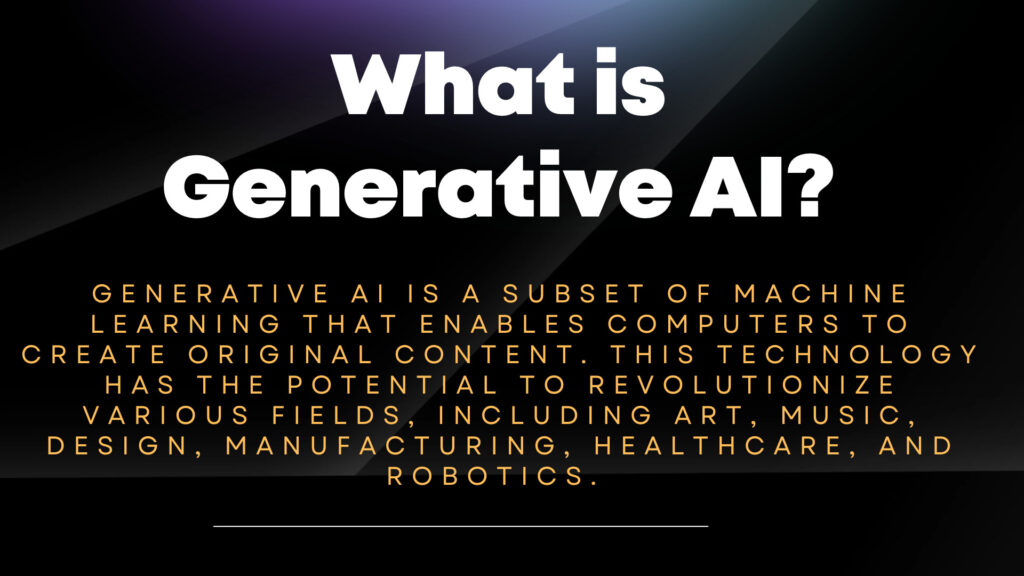
When someone mentions gening AI, they’re usually referring to artificial intelligence systems designed to create rather than merely analyze. This creation can take many forms — text responses, images, music, designs, even code snippets. The defining factor is generation, not classification.
Unlike traditional AI that focuses on recognizing patterns or making decisions, gening AI focuses on producing something new based on patterns it has learned. And that distinction changes how people interact with it.
How Gening AI Differs From Earlier Forms Of Automation
Earlier automation tools followed rules. Very strict ones. If this happens, do that. The outcome was predictable. Reliable, yes — but limited.
Gening AI behaves differently. It predicts outcomes based on probabilities rather than fixed instructions. This introduces variation. Sometimes the output feels spot-on. Sometimes slightly off. That variability is intentional. It’s what allows creativity to exist within the system, even if it’s guided creativity.
The Role Of Data In Shaping Generated Outputs
Everything generated by GenAI is influenced by the data it has learned from. Patterns, language structures, and visual compositions — all come from exposure to examples.
This doesn’t mean the system remembers specific content. Instead, it learns relationships. How words usually follow each other. How shapes align. How tones shift. That learning allows it to generate outputs that feel familiar, even when they’re entirely new.
Why Outputs Often Feel Surprisingly Human
Many users pause when reading AI-generated content because it feels conversational. Natural. Sometimes even reflective. This happens because generative AI models are trained on massive amounts of human-created material.
The system doesn’t understand emotions, but it understands patterns associated with emotional expression. That’s why outputs can feel empathetic, persuasive, or explanatory — even though no intention exists behind them.
Common Places Where Gening AI Quietly Appears
Some people believe they haven’t used gening AI yet. In reality, they probably have. Email drafting tools. Smart replies. Content summarizers. Design suggestions. Even search refinements.
The technology doesn’t always announce itself. Often, it simply improves speed, clarity, or variation in tasks people already perform. Over time, this quiet integration reshapes expectations without dramatic announcements.
How Users Typically Learn To Interact With Gening AI
Most users start with experimentation. Short prompts. Simple tasks. Then they notice something important — phrasing matters.
A small change in input can dramatically change the output. This teaches users to think differently. They begin framing requests more clearly.
Adding context. Removing ambiguity. Over time, this interaction becomes a skill of its own, sometimes referred to informally as prompt refinement.
The Balance Between Control And Exploration
One of the most interesting aspects of gening AI is the balance it creates. Users don’t fully control outcomes, yet they guide them.
This balance encourages exploration. People try multiple versions instead of settling on one answer. They compare outputs. They iterate faster. This changes creative workflows significantly, especially in writing, design, and ideation tasks.
Why Businesses And Creators Pay Attention To It
From a practical perspective, gen AI reduces time spent on first drafts. It accelerates brainstorming. It helps scale repetitive creative tasks.
For creators, this doesn’t replace originality. Instead, it reshapes starting points. Instead of staring at a blank page, users react to something generated — refining, rejecting, or reworking it. That shift alone changes productivity patterns.
Limitations Users Often Notice Over Time
While outputs can be impressive, users eventually notice inconsistencies. Sometimes information sounds confident but lacks accuracy. Sometimes, tone mismatches intent.
These moments highlight an important reality: gening AI generates based on patterns, not understanding. Users who recognize this tend to use the technology more effectively, treating outputs as drafts rather than final answers.
How Gening AI Influences Learning And Skill Development
Interestingly, many people report learning faster while using GenAI tools. Not because the system teaches directly, but because it provides immediate examples.
Seeing multiple ways to explain a concept, structure a paragraph, or approach a problem exposes users to variation. Over time, this exposure builds intuition and confidence — especially for beginners.
The Long-Term Shift In How People Create Digitally
The most lasting impact of gening AI may not be any single tool or feature. It’s the mindset shift. Creation becomes more iterative. Less linear. More collaborative — even if the collaborator isn’t human.
People spend less time starting and more time shaping. Less time producing raw material and more time refining intent. That change, subtle as it seems, continues to ripple across industries and workflows.
Conclusion
The rise of gen AI isn’t about replacing creativity or decision-making. It’s about reshaping how people approach them. By generating drafts, ideas, and variations quickly, these systems change the rhythm of digital work. Understanding its strengths, patterns, and limitations allows users to engage thoughtfully rather than passively. As gening ai continues to blend into everyday tools, awareness becomes the real advantage — knowing when to explore, when to refine, and when to rely on human judgment.