
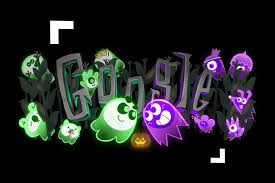
Every year, when October arrives and the evenings start feeling a little sharper, many people find themselves checking Google just to see if a new bold “Google Doodle Halloween” design has appeared. It has quietly turned into a seasonal ritual, almost like carving a pumpkin or wandering through a neighborhood full of decorations.
For some, the Doodle is just a fun visual twist on the homepage. For others, it becomes a reason to pause, click, and explore something that feels far more creative than a simple search bar redesign. And then, there are the users who end up spending more time on the Doodle game than on whatever search they originally meant to do. Happens more often than anyone admits.
There’s something interesting about how these Doodles blend play, tradition, and a sense of global festivity. The mix is not random.
Some years the artwork leans whimsical, almost soft and friendly, while other years carry a bit more mystery or challenge. It depends on the team, the theme, and what type of story they want to tell. Not everything is instantly obvious, either. Sometimes, a small background character hints at folklore from a distant culture. Other times, a tiny animation nods to old arcade-style games that many people grew up with. It creates a small puzzle for the viewer, encouraging them to look a little deeper.
New users, especially younger ones, often don’t realize that these Halloween Doodles have been evolving for well over a decade. The growth is easy to miss because it happens in small yearly steps. But if someone compares an early Doodle with one from recent years, the difference becomes clear. The complexity grows, the animations feel smoother, and the sense of storytelling becomes stronger.
That slow transformation is what keeps people curious. What will the next Doodle look like? Will it be a game again, or something completely unexpected?
Halloween itself carries so many layers around the world. It’s not limited to trick-or-treating or spooky costumes. There are traditions rooted in ancient harvest rituals, beliefs about spirits, and celebrations involving family gatherings. When Google adapts these themes into an annual digital creation, it ends up forming a cultural snapshot. A tiny one, yes, but still meaningful. And even though users only interact with it for a few minutes, the experience often lingers longer than they expect.
This blend of game mechanics, artistry, and seasonal storytelling is what sets the Halloween Doodles apart, making them worth exploring in more detail.
1. The Evolution Of Google’s Halloween Doodles
In the early days, Halloween Doodles were simple drawings. A pumpkin here, a quirky ghost there. Nothing too complex. Over time, though, the designs grew more adventurous and sometimes even experimental. Animations started showing up, followed by small interactive elements. Eventually, full-blown games became the new standard. The creative team clearly wanted to push boundaries, shifting Halloween from a quick nod to a nearly immersive experience.
2. Why Interactive Games Became So Popular
One reason these Doodles turned into games is engagement. Users enjoy clicking around, trying things out, and learning by doing. The idea is that play brings people closer to the theme. And during Halloween, that playful energy already exists everywhere. When a Doodle lets users run, cast spells, or collect items, it mirrors the spirit of adventure associated with the season. It becomes the digital version of exploring a decorated neighborhood.
3. Memorable Moments From Past Doodles
Some years produced standout creations that people still talk about. For instance, the release of the bold “Google Doodle Halloween 2022” gained attention for its smooth gameplay and charming characters. The pacing felt comfortable, almost relaxing, despite being themed around a spooky holiday. And every once in a while, a small detail—like a hidden character or secret animation—creates tiny fan discussions online.
4. Artistic Elements That Shape The Doodle Experience
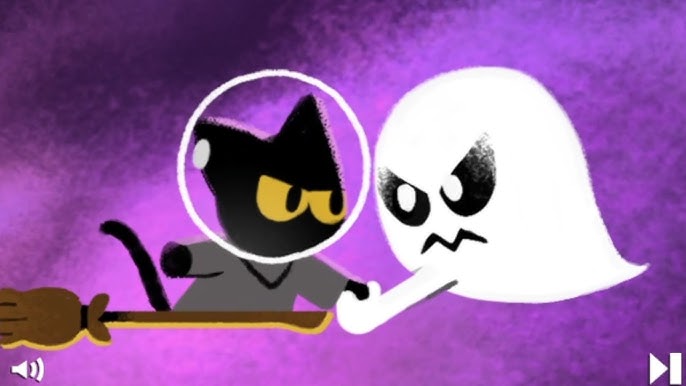
Every Halloween theme requires a different artistic approach. Sometimes the illustrations lean toward soft-shadowed characters with playful expressions. Other times, sharper lines create a more mysterious atmosphere. The color palette often mixes oranges, purples, greens, and deeper tones. These choices aren’t random. They guide how the user feels before even clicking anything. A warm palette suggests a friendly adventure. A darker one hints that something more eerie might unfold.
5. The Global Influence Behind The Halloween Themes
The design team occasionally draws inspiration from cultural traditions outside mainstream pop culture. Not every user notices this right away. A costume, a symbol, or even the shape of a creature may originate from a festival celebrated in another part of the world. That blend gives the Doodles a richer tone, allowing the experience to appeal to users globally rather than just those who celebrate Halloween in the usual way.
6. How Users React To Major Updates
Whenever a new Halloween game launches, social media fills with reactions. People share scores, post screenshots, or swap tiny tricks on how to complete levels. It becomes a micro-community for a day or two. There’s also the nostalgia effect. Long-time Google users sometimes compare new Doodles with older ones, talking about which version felt more magical or more challenging. A similar moment happened when a bold “Google Doodle Halloween 2024” rolled out, surprising users with fresh mechanics.
7. The Technology Behind The Scenes
Creating these experiences requires a blend of animation, coding, sound design, and storytelling. The projects are often built on lightweight architecture to ensure they run smoothly even on slower devices. Sound design is another subtle but important element. A soft chime when a character jumps or a gentle echo in a dark-themed level can shift the emotional tone. It’s the kind of detail that seems small but adds up fast.
8. Educational Themes Hidden In The Games
Although the Doodles are fun, they often carry light educational hints. A game might teach pattern recognition, timing, or problem-solving. Sometimes a storyline introduces folklore or environmental themes without making it feel like a lesson. Teachers occasionally mention that these games make good spark points for discussions in classrooms. Kids see them as entertainment, but they’re absorbing tiny learning cues too.
9. Cultural Celebrations Reflected Through Characters
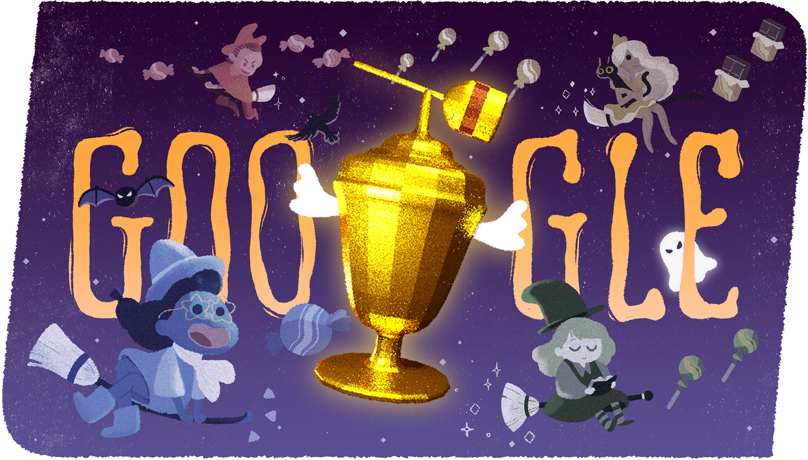
In many Doodles, the characters resemble symbolic elements from different countries. A lantern from one region, a spirit figure from another, a costume style from yet another cultural ritual. It’s a quiet way of showing how global traditions can blend into something playful. Many users appreciate that the Doodles don’t rely solely on stereotypical Halloween icons but explore a wider world of symbolic imagery.
10. Why People Look Forward To Each Year’s Release
The anticipation builds partly out of habit and partly out of curiosity. People like knowing that something new will appear at a predictable moment each year, but they also love the unpredictability of what shape it will take. Will the game be cooperative, competitive, or puzzle-driven? Will it introduce a new mascot? That simple uncertainty brings excitement, even before the Doodle actually appears.
Conclusion
Google’s Halloween Doodles have grown into an annual celebration of creativity. The art, music, and game mechanics all work together to form a small seasonal universe that people step into briefly but remember fondly. Each version blends tradition with modern storytelling, making the holiday feel bigger than a single night of festivities. For users around the world, these Doodles serve as a playful reminder of how shared digital moments can bring people together, even for just a few clicks.