
The moment someone typed bold keyword into a search, they were probably expecting a simple definition. Instead, they discovered something more playful. Mostly, such days, searching is routine—look up the weather, recipes, the nearest café. But when search turns into discovery, when a question seems obvious yet hides a twist, it sticks. That’s what googlies do.
Picture this: you’re scanning a billboard or social media feed, and you spot a weird question—What is the colour of sun googlies? Sounds weird, right? That tiny curiosity sparks a Google check, maybe a pause, maybe a laugh. A campaign called Googlies on Google turned that idea into a full game-like experience. The premise: search gets interesting when you chase surprises, not just answers.
This blog takes you through what googlies are, how the concept emerged, why they’ve caught attention (including from cricket lovers who know a googly as a surprising spin delivery), and how you might encounter them—from ads to packaging to everyday chats. Whether you’re wondering about synonyms of googlies, curious about googlies on Google Ad Cast, or simply want to know how this concept works in Hindi or for cricket fans, you’re in the right place.
We’ll explore meaning, variations, how the game works, and why it matters in a world where information is everywhere—but delight is rare. Because sometimes, the simple act of asking the weird question becomes the fun part.
Origins of the Term Googlies
The word googly has long roots. In cricket slang, it denotes a delivery that looks one way and spins the other. A bowler disguises the ball, deceives the batter. In the online world, the campaign borrowed this idea: something that seems obvious, yet surprises you. From that evolved googlies on Google—questions that trigger curiosity, not just direct answers.
The campaign launched with about 50 quirky prompts across platforms in India, in print, outdoor, social media—basically all over. The phrase googlies question often appears online because users share one of those prompts. Gaming the search? Kind of. But rather than a scoreboard, the reward is discovery. Over time, the term googlies has morphed into unusual search prompts for many users.
What Googlies Actually Means in This Context
When researchers or marketers ask what’s the ‘googlies meaning’, they mean the goal of these prompts: to turn a routine search into a micro-adventure, instead of typing sun colour you type what is the colour of sun googlies?—and you pause, you reconsider, you dig deeper.
So in effect, the word grabs multiple layers: the literal question, the hidden surprise, the gamified moment of discovery. It’s less about straightforward knowledge and more about playful curiosity. And importantly, it works across demographics—from a college student bored in class to a housewife idly scrolling her phone.
The Campaign Behind Googlies on Google
The leap from term to campaign matters. The campaign under the name Googlies on Google was created by a global branding agency and launched in India in late 2024. It used familiar prompts and placed them on TV screens, buses, product packaging—even chai shop walls. The objective: reignite wonder in an environment where just Google it had become mechanical.
The idea: present about 50 unusual questions over six weeks. Each question resembles something you’ve heard before, but disguised in a weird way. The twist is: you discover something you didn’t know you were looking for. It’s clever. It makes search fun again. Instead of typing mindlessly, you think: Wait—did I really know that? And then you check.
How the Game Element Works
You might ask: Is there a scoreboard? Do I win something? Not exactly. But the campaign embeds game-elements: Googlies of the day, challenges like googlies on google game, prompts such as today’s googlies, even variations in Hindi: googlies on google in hindi. The important part: it feels like a game.
Every prompt challenges your assumption. For example: What is the colour of sun googlies? You expect yellow, maybe. But the actual twist might be something scientific: white Sun light dispersed. Or you might get a surprising fact about perception. That moment of little surprise is the payoff.
And because the prompts are everywhere—ads, social feeds, packaging—they catch attention where it wasn’t invited. One study noted users shared these prompts more than typical ads. In our distracted age, that matters.
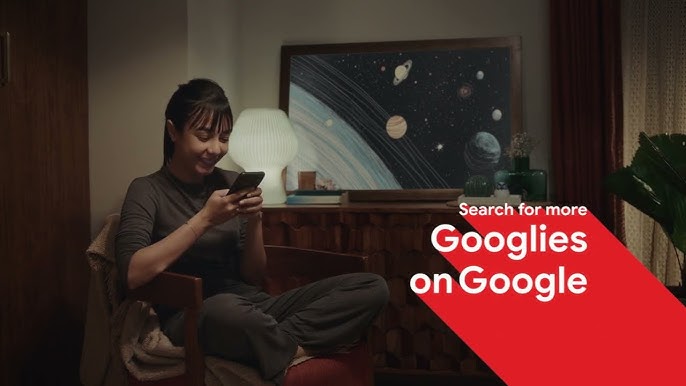
Common Types and Questions of Googlies
You’ll find categories. Some prompts are visually puzzling: googlies question often refers to why does the sun look red when setting? Others are word-play: synonyms of googlies might get you thinking about spin, twist, surprise. Some tie culture and cricket: googlies cricket naturally links the spinning ball with an unexpected outcome.
Plus, there are meta ones: googlies on Google ad girl name or googlies on Google ad cast—these ask about advertising characters. That opens up a branch of curiosity: not just knowledge, but media-trail, characters, campaigns. The point: you’re searching, yes—but also noticing context.
It turns passive browsing into active questioning. And that shift is subtle but powerful.
Impact on Search Behaviors
Curiosity-driven search like this influences how we use search engines. Many users become more intentional. Instead of typing sun colour, they type the prompt and stay longer on the results. They click more, explore further. That’s the shift the campaign hoped to catalyze.
There’s also educational value. Students used these prompts as quick entry points for broader topics. Teachers observed how a weird search question captured attention and anchored a lesson. Suddenly, the mundane internet search became playful again.
And marketers took note: when curiosity leads searches, engagement rises. The reaction time, click-throughs, and even brand recall improve. So googlies on Google questions became a case study in curiosity marketing.
Cricket Roots and Cultural Resonance
Why the word googly? Because in cricket, a googly is that surprise delivery—looks like one thing, does another. That metaphor resonates. So when we say googlies on Google, the idea is exactly the same: a deceptive question leading to an unexpected answer. Cricket-loving audiences pick up on this almost immediately.
In Indian culture, where cricket and advertising overlap heavily, this metaphor hits hard. An advertisement aired during a big match might show a fast-bowler, spin, surprise—then the Googlie prompt. That crossover helped the campaign land beyond just online. It entered living rooms, conversations, and school corridors.
Thus, the cultural layer adds depth. A word once specialised becomes mainstream.
Multilingual and Regional Adaptations
The campaign and concept didn’t stay confined to one language. For example, googlies on Google in Hindi variants appeared, translating prompts into Hindi or mixing English and Hindi. That gave a wider reach. Even product packaging had regional prompts.
Localization means someone in a small market recognized the brand prompt, felt invited, and searched. The multi-channel delivery (TV, packaging, outdoor ads) meant that today’s googlies became almost expected. People anticipated the next quirky question. And the localized versions ensured it didn’t feel imported—it felt native.
Observing Online Trends and Community Engagement
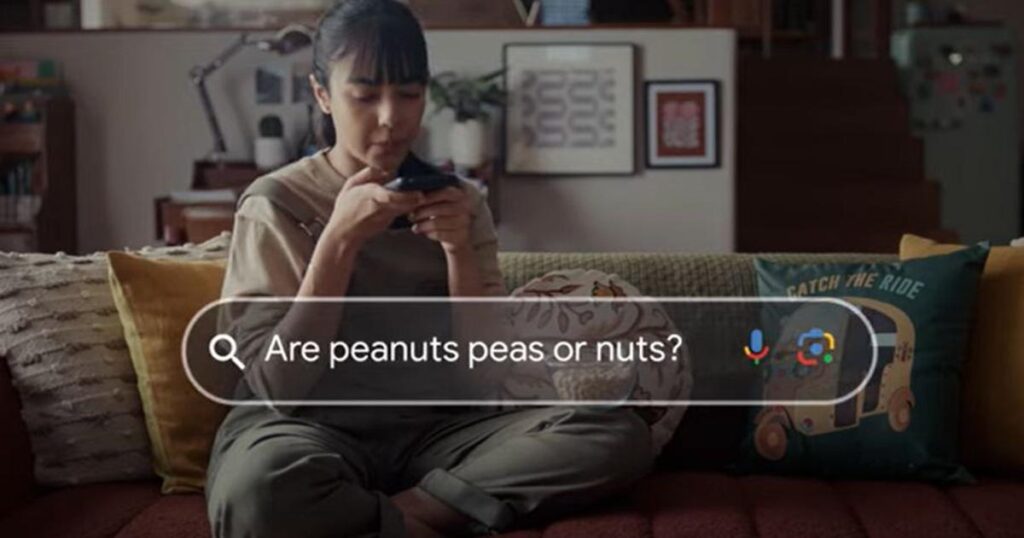
Once the prompts began circulating, users started sharing them. Platforms like Twitter and Instagram featured posts solving the latest googlie. For example, someone posted: What’s the colour of the sun googlies? Answer inside… These micro-stories spread.
Online communities formed around them—kids in classrooms took screenshots of prompts and posted answers. Families discussed them at dinner. This peer engagement amplified the effect. Suddenly, a search engine prompt became dinner-table talk.
The buzz created ancillary content too—blogs analyzing synonyms of googlies, others tracing the campaign’s ad cast (googlies on google ad cast), or revealing the face of the ad girl (googlies on google ad girl name). So the ecosystem grew. The prompt became the surface; the story below ran deeper.
Why This Matters for Brands and Users
For users, these prompts restore something simple: curiosity. In a world where you always search for something urgent, this flips it. You search because you want to, because you’re intrigued. That shift in mindset changes the way we interact with digital tools.
For brands and marketers, the lesson is profound. Engagement isn’t always about flashy bells. Sometimes it’s about a pause. A moment where the viewer thinks, Wait—what? And then engages further. The Googlies concept leveraged that pause.
And for search engines themselves, this means a re-imagining. Not just delivering answers fast, but enabling questions to be part of the experience. In the age of AI and instant results, wondering again might be the differential.
In short, googlies of the day aren’t just fun—they signal a shift: from reactive searching to active discovery.
Conclusion
The idea of googlies on Google turned something so habitual—searching—into something playful and human again. A simple prompt, a strange question, a surprise answer—they created a moment of pause, of wonder. In a digital era defined by speed, that pause matters. And while the campaign itself may have a time window, the principle it embodies—curiosity first, answers second—is timeless. So next time you encounter a weird question or prompt, maybe don’t skip it. That one might just spin you into something you didn’t expect.