

India’s relationship with mountains has always been emotional rather than just geographical. Hill towns were never built merely as tourist attractions; they evolved as retreats, administrative centers, forest settlements, and later, seasonal sanctuaries from the plains. Over time, a few names became famous; others quietly stayed in the background. Travelers today often search for a hill station near Mematheran hill station because the familiar feels safe, yet curiosity nudges them toward something less crowded.
What makes hill stations special isn’t only the temperature drop or the scenery. It’s the pace. Conversations stretch longer. Evenings arrive earlier. Roads curve instead of racing forward. In India, hill stations also reflect regional identities. A hill town in Maharashtra feels different from one in Uttarakhand or Kerala, not just in landscape but in food, architecture, and rhythm of daily life.
Some hill stations are wrapped in colonial history, others in tribal culture or plantation economies. A few remain largely untouched by large-scale tourism, visited mostly by locals who know when to go and when to leave. That contrast is what makes exploring them deeply rewarding. You don’t just “visit” a hill station; you temporarily live inside its tempo.
This guide takes you through notable hill stations across India, each with a distinct character and geography. Instead of rushing through surface-level facts, the focus stays on what these places actually feel like, how travelers experience them, and why some continue to matter long after the trip ends.
The Timeless Appeal Of Matheran’s Car-Free Landscape
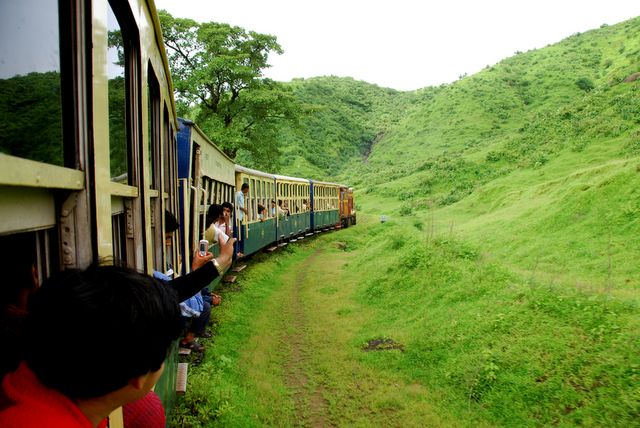
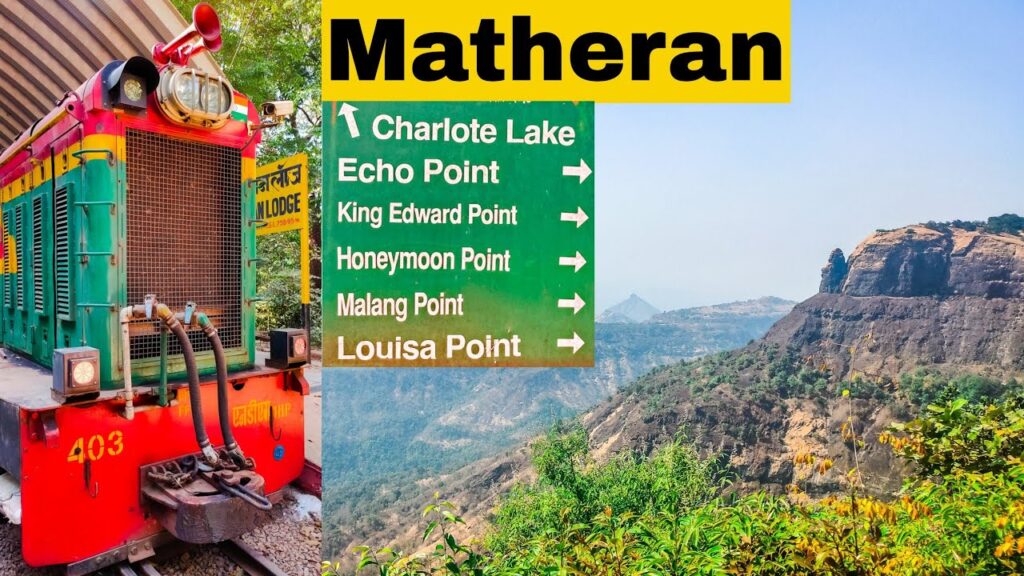
Matheran remains one of India’s most unusual hill towns because it deliberately resists modern intrusion. No private vehicles are allowed within its limits, and that single rule shapes the entire experience. Walking becomes unavoidable, but also therapeutic. Paths wind through red soil, dense forest, and sudden viewpoints that open without warning.
The charm of Matheran hill station lies in its restraint. Instead of dramatic peaks, it offers layered horizons. Instead of nightlife, it gives you silence punctuated by bird calls. Even seasoned travelers often find themselves slowing down unconsciously here, adjusting to a pace that feels almost forgotten.
Why Saputara Feels Like Gujarat’s Quiet Exception
Saputara stands apart in Gujarat’s otherwise arid image. Tucked into the Sahyadri range, it feels like a soft contradiction—misty mornings, forested slopes, and a lake that reflects both sky and hillside. The town remains orderly, almost understated, shaped as much by planning as by nature.
Visitors often note how Saputara hill station doesn’t overwhelm. There’s space to breathe. Tribal influences are visible in local markets, art, and food, lending the place a grounded cultural presence rather than a resort-like gloss.
Ooty And The Legacy Of Plantation Landscapes
Ooty carries a different weight altogether. Its identity was shaped by tea, colonial planning, and a long history of seasonal migration from the plains. The rolling plantations don’t just define the view; they define the economy, employment, and even daily routines.
Travelers drawn to Ooty hill station often arrive expecting cool weather and scenic drives. What surprises many is the lived-in quality of the town. It isn’t frozen in time. It adapts, expands, and absorbs visitors while holding onto its layered past.
Pachmarhi’s Central Indian Solitude
Pachmarhi feels geographically and emotionally distinct from most hill towns. Located in the Satpura range, it carries an almost meditative quiet. Forests dominate more than buildings, and trails lead to caves, waterfalls, and plateaus rather than shopping streets.
The experience of Pachmarhi hill station is immersive. Days stretch slowly, shaped by nature rather than schedules. For travelers used to Himalayan or Western Ghats hill stations, Pachmarhi offers a refreshing, almost introspective alternative.
Don Hill Station And The Charm Of Lesser-Known Retreats
Don Hill Station is not a household name, and that’s precisely its strength. With minimal commercialization, it attracts travelers who value quiet exploration over packaged experiences. Roads here don’t advertise viewpoints; they reveal them gradually.
A visit to Don Hill Station feels personal. Locals recognize visitors quickly, conversations linger, and evenings are spent watching the landscape change rather than checking itineraries.
Chikhaldara’s Wildlife And Cultural Layers
Chikhaldara blends hill scenery with wildlife corridors and tribal heritage. Located near the Melghat Tiger Reserve, it carries an ecological significance that shapes tourism subtly but firmly.
What defines Chikhaldara hill station is its balance. Forests, viewpoints, and settlements coexist without competing for attention. Travelers often leave with a sense that they’ve witnessed a functioning ecosystem, not just a scenic escape.
Toranmal’s Plateau Perspective
Toranmal sits on a plateau rather than sharp peaks, giving it expansive, open views. The horizon stretches wide, creating a sense of scale that’s rare in compact hill towns.
Experiencing Toranmal hill station often feels like standing at the edge of something vast. It’s a place where skies dominate, sunsets linger, and silence feels expansive rather than empty.
Chakrata’s Quiet Himalayan Personality
Chakrata avoids the chaos common to better-known Himalayan destinations. Controlled military presence has limited overdevelopment, preserving forests and narrow roads that demand attention while driving.
The appeal of Chakrata hill station lies in its authenticity. It doesn’t perform for tourists. It exists, calmly, offering snowfall in winter, cool summers, and a strong sense of separation from urban noise.
Munnar’s Plantation-Driven Rhythm
Munnar operates on a different sensory register. Greens are deeper, air heavier, and life closely tied to plantations. The town pulses with agricultural routines as much as tourism cycles.
Visiting Munnar hill station often reveals contrasts. Quiet mornings followed by busy afternoons, mist giving way to sun, solitude interrupted by sudden crowds. Yet beneath it all, the landscape remains the anchor.
Why Hill Stations Continue To Matter
The idea of a hill station in India has evolved, but its purpose remains deeply human. These places offer relief, reflection, and a reset of perspective. Whether tucked into central forests or perched along misty ridges, hill stations continue to serve as emotional pauses in fast-moving lives.
Even photographs—often searched as hill station near mematheran hill station photos—become memory anchors, reminding travelers not just of places, but of how those places made them feel.
Conclusion
India’s hill stations are not interchangeable destinations. Each carries a distinct mood shaped by geography, culture, and history. Exploring them thoughtfully reveals more than scenic views; it reveals how landscape influences life itself. And that understanding stays long after the journey ends.