
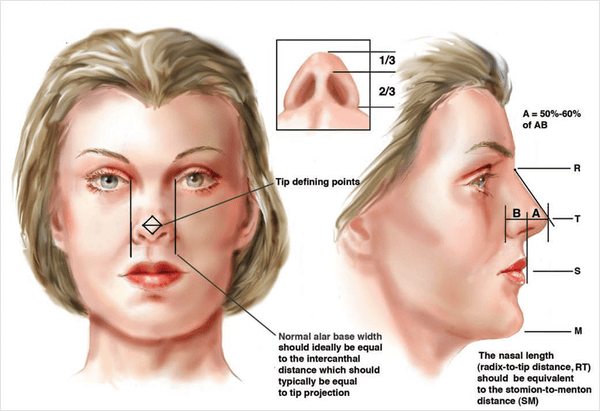
Cosmetic surgery has long carried an air of mystery, often whispered about more than openly discussed. Among the most talked-about procedures is rhinoplasty — more commonly called a nose job. But for many, the first question isn’t about the surgery itself. It’s about money. People want to know how much does a nose job cost, and rightly so, because pricing isn’t always straightforward.
Unlike buying a product off a shelf, this cost depends on several things — surgeon experience, city, clinic reputation, and the complexity of your nose’s structure. Even recovery time can influence expenses, as additional checkups or medications sometimes add up. There’s no fixed figure because no two noses, or reasons for changing them, are exactly the same.
You’ll often find people searching online for how much is a nose job, expecting a one-line answer, but they rarely find it. That’s because the cost varies widely between regions and even more between surgeons. What’s quoted in Los Angeles might double in New York, while a highly skilled surgeon in Seoul or Mumbai may charge differently altogether.
Still, understanding the broad range and the factors that shape it helps you make informed decisions. Whether someone’s seeking cosmetic improvement, breathing correction, or reconstructive surgery after an injury, knowing what influences the price can prevent surprises later.
So let’s unpack the layers behind this sought-after procedure. We’ll explore surgeon fees, hospital charges, anesthesia costs, aftercare expenses, and the hidden extras that many first-time patients overlook. Because when it comes to the nose job cost, the more you know, the smarter your decision will be.
1. Why Nose Job Prices Vary So Much
The cost of a rhinoplasty can fluctuate like airline tickets — there’s never one fixed number. The reason? Every nose is unique, both anatomically and aesthetically. The more complex the reshaping, the more time and expertise required, hence higher costs.
Think of a patient who just wants a small bridge correction versus someone needing full septum reconstruction. The effort, risk, and precision differ drastically. Naturally, so does the price tag.
2. Surgeon’s Experience and Reputation
When people search how much does a nose job cost, what they’re really asking (without realizing it) is how much expertise they can afford. A renowned surgeon with years of experience and consistent results won’t come cheap — and shouldn’t.
Surgical artistry matters here. A skilled doctor doesn’t just change a nose’s shape; they balance it with the rest of your face. That precision and judgment come at a premium. But it’s also your safety net against costly revisions later. Sometimes, paying more up front means avoiding double-spending down the line.
3. Geographical Location and Clinic Standards
Location can make or break your budget. A rhinoplasty in Beverly Hills will cost more than one in Bangkok or Delhi. The overhead — rent, staff, insurance — all influence the final price.
This means nose job cost isn’t only about surgery; it’s partly about geography. Interestingly, many people now travel abroad for surgery. Medical tourism, as it’s called, has opened doors to affordable yet high-quality procedures in countries like Turkey, South Korea, and India.
However, a lower price doesn’t always mean compromise. Some international clinics offer world-class care at a fraction of Western prices, thanks to local cost differences.
4. Type of Nose Job: Cosmetic vs Functional
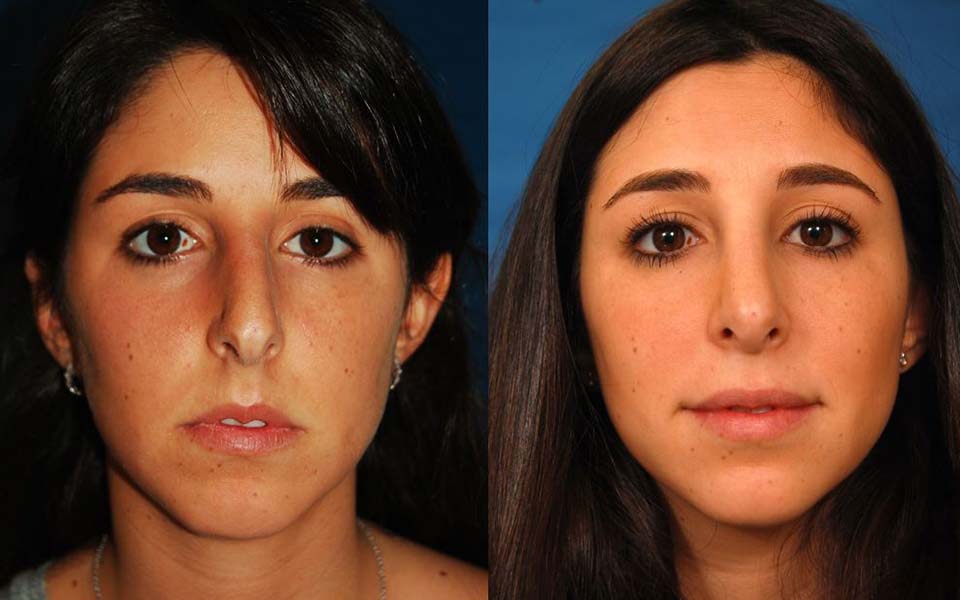
Rhinoplasty isn’t always about aesthetics. Some people undergo the surgery for functional reasons, such as correcting a deviated septum or breathing difficulties. In those cases, insurance might cover a part of the procedure — something cosmetic surgery patients rarely enjoy.
Cosmetic rhinoplasty, purely for reshaping, is an out-of-pocket expense almost everywhere. Functional or reconstructive surgery, however, may qualify for partial reimbursement if it improves medical function. So, before fixating on the total, check whether part of your cost could be offset by medical coverage.
5. Facility Fees and Anesthesia Costs
Surgeries don’t happen in isolation. They happen in accredited facilities with advanced equipment, certified anesthesiologists, and sterile conditions. Each layer adds to the total cost.
While surgeon fees may dominate estimates, anesthesia and facility charges can quietly add thousands. Quality anesthesia ensures safety and comfort throughout the operation. Skimping on that isn’t worth the risk.
Sometimes, a less experienced clinic might advertise discounted rates — but at what compromise? Always ensure your surgery happens in a certified, well-equipped setup.
6. Pre-Surgery Consultations and Imaging
Before surgery, consultations and 3D imaging help simulate results and set realistic expectations. This planning stage, often overlooked, affects the total budget.
Many clinics include consultations in the package, while others bill them separately. Either way, it’s not just a chat — it’s a crucial step. Surgeons use advanced imaging to visualize results, determine nasal symmetry, and anticipate surgical challenges. That precision costs time and tech.
Skipping this process might save a few hundred dollars, but risks dissatisfaction later.
7. Aftercare, Medications, and Recovery Expenses
Recovery isn’t free. Pain medication, follow-ups, nasal splints, and dressings can add up. Aftercare quality often determines the final success of the surgery. Neglecting it could lead to complications, swelling, or unsatisfactory results — and potentially, revision costs.
When calculating how much is a nose job, remember it doesn’t end when you leave the operating room. Post-surgery care, sometimes spanning weeks, is part of the real cost.
8. The Role of Customization in Cost
No two patients share the same surgical plan. Some need cartilage grafting, some tip refinement, and others dorsal hump removal. Each customization changes the duration, materials used, and surgical difficulty.
Customization ensures natural results — not the template noses you sometimes see on social media. But artistry demands time, and time costs money. A nose designed for your face alone is worth more than a one-size-fits-all approach.
9. Average Price Ranges Around the World
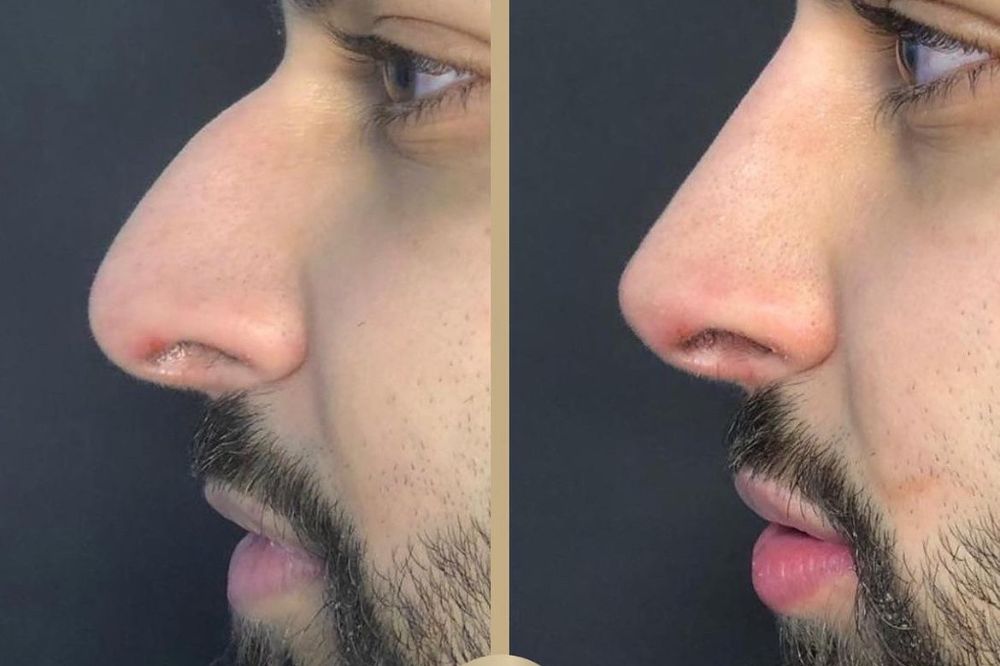
Now, let’s talk real numbers — not absolute, but averages. In the U.S., rhinoplasty typically ranges between $5,000 and $15,000 depending on complexity. The U.K. averages around £4,000–£7,000. In South Korea, which is world-famous for aesthetic surgeries, costs hover between $3,000 and $8,000. India, offering high-quality surgeons and facilities, ranges roughly from ₹80,000 to ₹2,50,000.
These figures fluctuate year by year and even city by city. So while these are estimates, they paint a realistic picture of the global landscape.
10. Thinking Beyond Price: Value and Confidence
At the end of the day, it’s not just about nose job cost. It’s about value. A successful surgery enhances more than appearance — it restores confidence, comfort, and even breathing ease in some cases.
One patient once described it perfectly: It wasn’t just a change on my face. It changed how I faced the world. That’s the real measure of worth, not just the bill total.
When choosing a surgeon, don’t make cost your sole deciding factor. Look for consistency, trust, and proven results. A cheaper surgery gone wrong can cost much more emotionally and financially later.
Conclusion
So, how much does a nose job really cost? There’s no one-size answer — only a range influenced by expertise, goals, and location. Understanding each factor helps you see beyond numbers and appreciate what you’re investing in: skill, safety, and satisfaction. Whether it’s a minor refinement or a full reconstruction, take time to choose wisely. The right surgeon and approach make every penny worth it.