
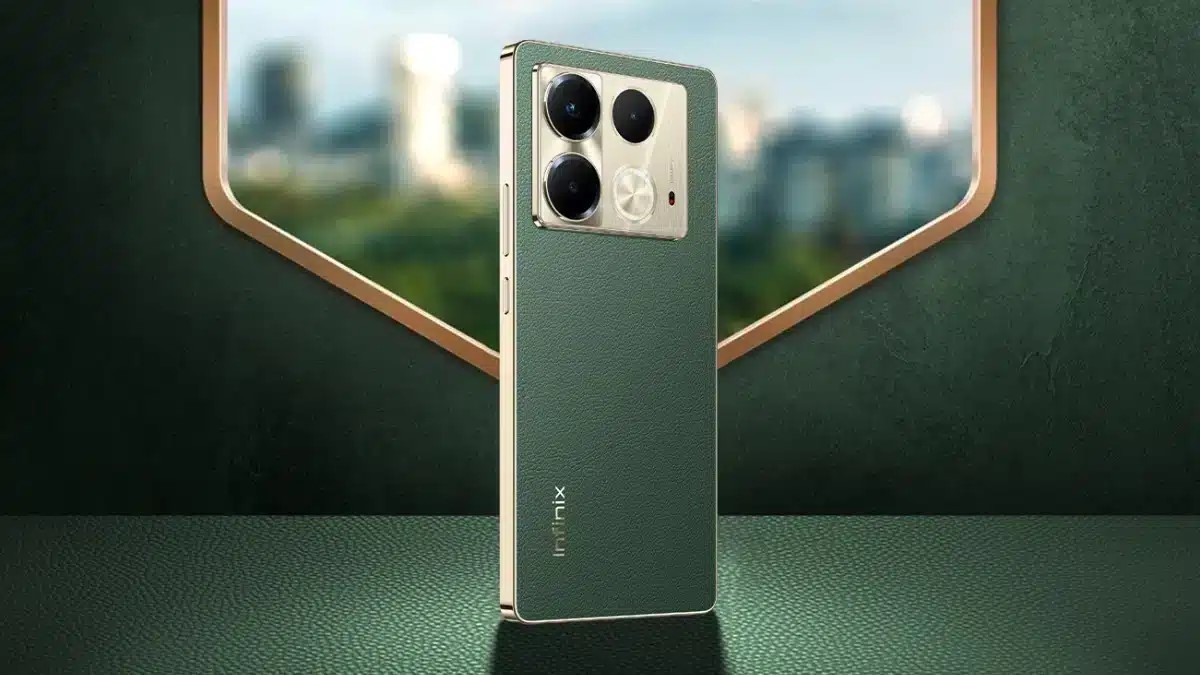
The smartphone market in 2024 has become overwhelmingly crowded, particularly in the budget and mid-range segments where brands compete aggressively for attention. Infinix, a brand that’s steadily built a reputation in emerging markets, continues expanding its Note series with multiple variants that sometimes confuse even dedicated tech followers.
The Infinix Note 50s represents the brand’s latest attempt to capture attention, though it arrives in a market already saturated with its predecessors from the Note 40 family, each offering slightly different specifications, pricing, and value propositions.
What makes the Infinix approach interesting is how they’ve fragmented their lineup. Instead of releasing one or two models per generation, they’ve created an entire ecosystem of options under the Note 40 banner alone. There’s the standard version, the Pro variant, the 5G-enabled models, and even a Pro Plus sitting at the top of the hierarchy. Each iteration targets a specific price point and audience, creating both opportunity and confusion for potential buyers trying to determine which device actually fits their needs and budget constraints.
The pricing strategy employed by Infinix reveals its understanding of market segmentation in regions like India, where affordability remains paramount but consumers increasingly expect premium features. By offering multiple variants, they ensure potential buyers stay within the Infinix ecosystem rather than jumping to competitors. Someone priced out of the Pro Plus can step down to the regular Pro.
Someone seeking 5G connectivity without breaking the bank finds dedicated options. This tiered approach works when executed properly, though it requires clear differentiation between models to avoid cannibalization.
Understanding where each model fits becomes essential for making informed purchasing decisions. The specifications, build quality, camera capabilities, and connectivity options vary significantly across the Note 40 family, and knowing these differences helps identify which device offers the best value for your specific requirements.
Additionally, regional pricing variations, particularly evident when examining costs in India versus other markets, add another layer of complexity to the decision-making process. The Infinix Note 40 lineup demands closer examination to reveal which models actually deliver on their promises and which fall short despite marketing claims.
The Note 50s Positioning in Infinix’s Current Lineup
The Note 50s arrives as Infinix attempts to build momentum beyond the Note 40 generation. Early indications suggest this model targets the affordable segment with competent specifications rather than groundbreaking features. The positioning seems deliberate—offering enough improvements over older models to justify consideration while maintaining aggressive pricing that undercuts established competitors. Display technology likely receives attention, as Infinix has historically prioritized screen quality in its Note series, understanding that visual experience drives purchasing decisions among younger demographics.
Processor selection typically determines whether budget devices feel responsive or frustratingly sluggish during everyday use. The Note 50s appears to balance performance expectations with cost constraints, likely featuring a mid-tier chipset capable of handling social media, streaming, and light gaming without significant complaints. Storage configurations should provide adequate space for apps and media, though expansion options remain important for users accumulating large photo libraries or offline content.
Camera specifications on budget devices have improved dramatically across the industry, and Infinix follows this trend. The Note 50s likely includes a multi-lens setup with a high-megapixel primary sensor that performs adequately in good lighting conditions while struggling in low-light scenarios—a common compromise at this price point. Battery capacity typically remains a strength for Infinix devices, with the Note series historically offering all-day endurance that appeals to heavy users reluctant to carry chargers everywhere.
Comparing Standard Note 40 Against Its Pro Siblings
The base Infinix Note 40 establishes the entry point for the generation, offering fundamental features without the premium additions found in higher-tier variants. Build quality typically uses polycarbonate materials that keep costs down while maintaining acceptable durability for everyday handling. Screen size and resolution meet modern expectations, though refresh rates might be capped at standard 60Hz or 90Hz rather than the smoother 120Hz found on pricier models.
Performance differences between the standard and Pro versions become apparent during intensive tasks. The base Note 40 handles routine activities smoothly enough, but multitasking with numerous apps or playing graphics-intensive games reveals limitations. RAM allocation affects how many applications can remain active in memory without reloading, and the standard model likely offers less generous memory configurations compared to Pro variants.
Camera systems differentiate the standard model from its premium siblings most visibly. While the base Note 40 includes multiple rear lenses, the sensors typically feature lower resolution or less sophisticated processing compared to Pro models. Portrait mode, night photography, and video stabilization capabilities may be present but less refined. For casual photographers satisfied with decent results in normal conditions, these limitations matter less than they would for users expecting flagship-level image quality.
The Pro Variant’s Value Proposition Examined
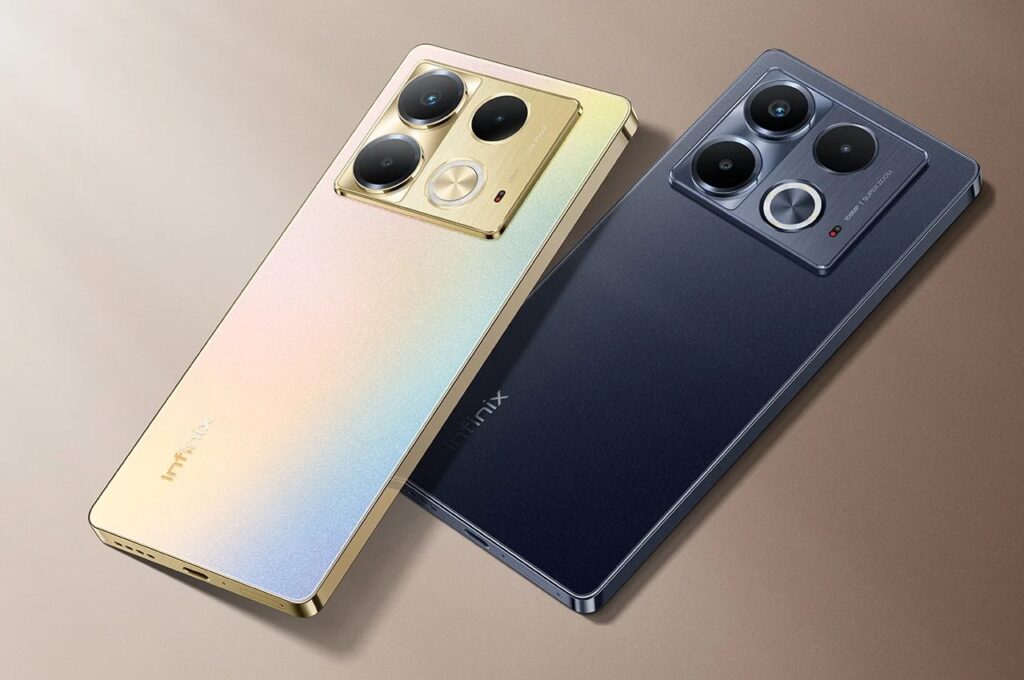
The Infinix Note 40 Pro positions itself as the sweet spot in the lineup—offering meaningful upgrades over the base model without reaching the premium pricing of the Pro Plus. Build quality receives attention here, with materials feeling more substantial and design elements showing greater polish. The device weight might increase slightly due to larger battery capacity or additional hardware, but most users find the heft reassuring rather than burdensome.
Display improvements become immediately noticeable when comparing the Pro against the standard version. Higher refresh rates create smoother scrolling and more responsive touch interactions that enhance the overall user experience.
Color accuracy and brightness levels typically improve, making outdoor visibility better and media consumption more enjoyable. These incremental improvements justify the price increase for users who spend significant time on their devices daily.
Camera enhancements represent a major selling point for the Pro variant. Sensor upgrades bring better low-light performance, faster focusing, and more detailed images in challenging conditions.
Additional camera features like improved stabilization for video recording, better portrait mode edge detection, and more versatile zoom capabilities add practical value. The Infinix Note 40 Pro targets users who prioritize photography without stretching budgets to flagship levels, and when executed well, this middle-tier approach delivers satisfying results.
Understanding 5G Connectivity Across Note 40 Models
The Infinix Note 40 5G addresses the growing demand for next-generation connectivity in markets where 5G infrastructure continues expanding. Network capability alone doesn’t justify purchase decisions, but for users in areas with established 5G coverage or those planning to keep devices for several years, investing in 5G-capable hardware makes practical sense. The 5G variant likely shares many specifications with the standard 4G model while incorporating the necessary modem and antenna components for enhanced connectivity.
Performance considerations arise when discussing 5G models because the chipsets supporting 5G connectivity often bring improved processing capabilities beyond just network speeds. Users might notice slightly better performance in applications and games compared to 4G variants, even when not actively using 5G networks. This creates a situation where the 5G model offers dual benefits—future-proofing and marginal performance improvements.
Battery drain concerns frequently surround 5G devices, though manufacturers have addressed these issues significantly since early implementations. The Note 40 5G should include optimization features that manage network switching intelligently, using 5G when necessary while falling back to 4G or even 3G in areas with weak coverage to preserve battery life. Real-world endurance depends heavily on network availability and usage patterns, making generalized claims difficult.
The Pro 5G Combination and Its Market Target
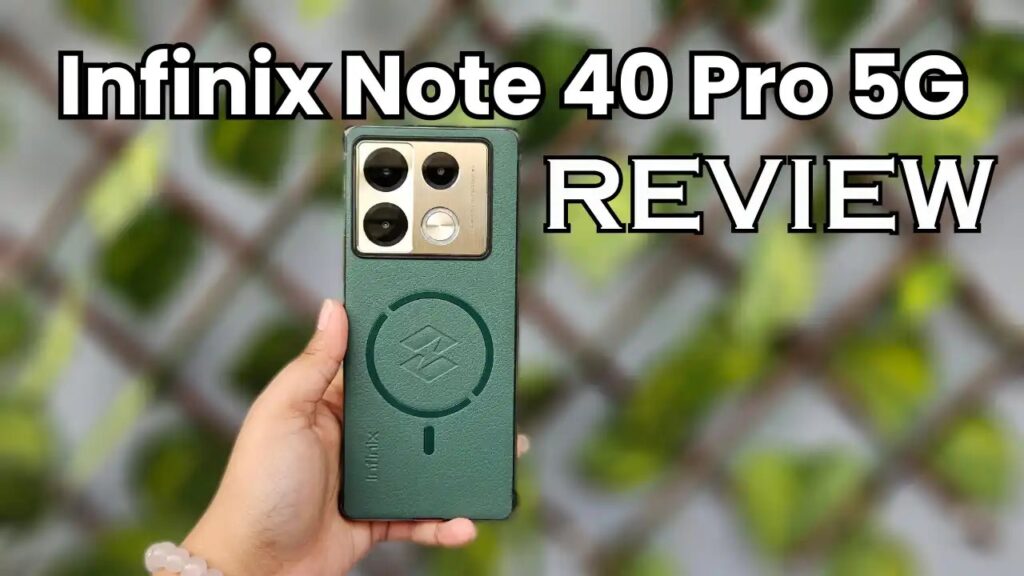
When Infinix combines Pro specifications with 5G connectivity in the Infinix Note 40 Pro 5G, they create a device targeting users who want both enhanced features and modern network capabilities. This variant typically commands premium pricing within the Note 40 family but remains substantially cheaper than flagship devices from established brands offering similar specifications. The value proposition depends on how well the device executes its dual mandate of performance and connectivity.
Build quality expectations rise with this model, as users paying for Pro 5G variants typically demand better materials, improved water resistance, and more refined design language. Finishing touches like metal frames, glass backs, or premium coatings distinguish this model from cheaper siblings. Weight distribution and ergonomic considerations receive more attention, resulting in a device that feels comfortable during extended use despite potentially larger dimensions.
The Infinix Note 40 Pro 5G camera system should represent the best of what the generation offers, incorporating advanced sensors, improved image processing algorithms, and versatile shooting modes. Video recording capabilities typically receive upgrades here, with higher resolution options, better stabilization, and improved audio recording. For content creators and social media enthusiasts, these camera improvements justify the premium over standard variants.
Breaking Down the Pro Plus Premium Experience
At the top of the hierarchy sits the Infinix Note 40 Pro Plus, representing the brand’s flagship attempt within the Note 40 generation. This model includes all premium features available in the lineup, from top-tier processors to maximum RAM configurations, largest battery capacities, and most advanced camera systems. The Pro Plus differentiates itself through tangible improvements rather than just marketing positioning, though whether these enhancements justify the price premium depends on individual priorities.
Display technology reaches its peak with the Pro Plus, potentially featuring higher resolution panels, superior color accuracy, and advanced features like HDR support for compatible content. Brightness levels might exceed 1000 nits, ensuring excellent outdoor visibility even in direct sunlight. Screen protection typically employs tougher glass variants that resist scratches and impacts better than standard models, reducing long-term maintenance concerns.
Camera specifications on the Pro Plus often include sensor technologies reserved for flagship devices, bringing genuinely impressive photography capabilities to more affordable price points. Optical image stabilization, advanced night modes, and sophisticated computational photography features transform casual snapshots into shareable content. The Pro Plus targets photography enthusiasts unwilling to spend flagship money but refusing to compromise significantly on image quality.
Pricing Realities in the Indian Market
The Infinix Note 40 Pro price in India reflects the brand’s understanding of local market dynamics, where value consciousness dominates purchasing decisions. Pricing strategies here differ from Western markets due to currency considerations, import duties, taxes, and competitive pressures from domestic brands. Infinix positions aggressively, often undercutting similarly specified devices from competitors by noticeable margins while maintaining acceptable profit margins through operational efficiencies and scale.
Regional variations within India affect pricing and availability, with metro cities sometimes seeing launches earlier than tier-two and tier-three cities. Online exclusive models create additional complexity, as partnerships with e-commerce platforms generate unique variants with specific color options or storage configurations. Flash sales and festival discounts further muddy pricing waters, making the actual purchase price potentially lower than official listings.
The Infinix Note 40 Pro price becomes a moving target when considering exchange offers, bank discounts, and cashback schemes frequently employed in the Indian market. These promotional mechanisms reduce effective prices significantly, sometimes bringing Pro variants within striking distance of base model costs. Savvy buyers timing purchases around major shopping events often secure remarkable deals that alter value calculations compared to standard retail pricing.
Accessory Ecosystem and Protection Options
The Infinix Note 40 Pro back cover market represents an important consideration for buyers planning to protect their investment. Third-party manufacturers quickly produce cases for popular models, offering options ranging from basic transparent covers to rugged armor cases with built-in kickstands. Case quality varies dramatically, with premium options providing genuine protection while budget covers offer minimal impact resistance despite attractive pricing.
Official accessories from Infinix typically include basic protective cases bundled with devices or available as separate purchases. These first-party options ensure proper fit and cutout alignment for cameras, ports, and buttons, though they command premium pricing compared to third-party alternatives. Material choices span silicone, TPU, polycarbonate, and hybrid combinations, each offering different protection levels and aesthetic appeals.
Screen protectors complement back covers in comprehensive device protection strategies. Tempered glass protectors provide scratch resistance and impact absorption, though installation requires care to avoid bubbles and misalignment. Hydrogel film protectors offer alternative solutions with self-healing properties that reduce minor scratches over time. For devices featuring curved displays, finding compatible protectors becomes more challenging and expensive.
The Mysterious Note 40 X Variant
The Infinix Note 40 X designation raises questions about yet another variant within an already crowded lineup. Limited information suggests this model might target specific regional markets with tailored specifications or represent a special edition with unique features. X-branded variants from other manufacturers sometimes indicate experimental technologies or design approaches that test market reception before broader rollout.
Specifications for the Note 40 X likely position it somewhere within the existing hierarchy, possibly between standard and Pro models, or offering alternative feature combinations not available in other variants. Storage configurations, color options, or bundled accessories might differentiate the X version, creating appeal for buyers seeking something slightly different from mainstream offerings. Regional availability probably determines whether most consumers ever encounter this variant.
Pricing for specialized variants like the Note 40 X can vary unpredictably. Sometimes these models command premiums due to exclusivity or unique features, while other times they’re priced aggressively to generate interest and gauge demand for potential future models. Without widespread availability, the X variant remains a curiosity rather than a mainstream option for most buyers in the Note 40 ecosystem.
Real-World Performance Across the Note Family
Daily usage reveals how theoretical specifications translate into practical experiences. The Note 40 family generally handles common tasks smoothly, though differences emerge during demanding scenarios. Social media scrolling, web browsing, messaging, and media streaming perform adequately across all variants, with Pro models offering marginally smoother experiences due to better processors and additional RAM.
Gaming performance differentiates models more clearly. Graphics-intensive titles push budget processors to their limits, causing frame drops and occasional stuttering on base models while Pro variants maintain more consistent performance. Thermal management affects sustained gaming sessions, with better-designed cooling systems preventing performance throttling during extended play. Battery drain increases significantly during gaming, making larger capacity batteries in premium models advantageous for enthusiasts.
Camera performance in real-world conditions often disappoints compared to marketing claims, particularly regarding megapixel counts that don’t translate to proportionally better images. The Infinix Note 40 Pro 5G price might suggest near-flagship photography, but results still reveal budget device limitations in challenging lighting or fast-moving subjects. That said, for typical social media usage and casual photography, the cameras deliver satisfactory results that most users find acceptable for their needs.
Software Experience and Long-Term Support
XOS, Infinix’s custom Android skin, brings both enhancements and complications to the user experience. Pre-installed applications bloat storage, some of which prove difficult to uninstall completely. Customization options allow personalizing the interface extensively, though some users prefer stock Android’s cleaner approach. Performance optimizations within XOS aim to maximize hardware capabilities, though effectiveness varies across different Note 40 variants.
Software update commitments from Infinix have historically lagged behind those of premium manufacturers, creating concerns about long-term device security and feature improvements. The Note 40 family should receive at least one major Android version update along with periodic security patches, though the timeline and duration of support remain unclear at launch. Buyers prioritizing long-term software support might prefer brands with better track records, even if it means paying premiums upfront.
User interface responsiveness depends partly on software optimization rather than just hardware specifications. Well-optimized software makes even modest processors feel snappy, while bloated or poorly coded systems cause lag regardless of underlying power. The Note 40 experience generally falls somewhere in the acceptable middle—not as refined as flagships but smoother than ultra-budget devices. Over time, accumulated apps and data inevitably slow performance, making periodic maintenance necessary to maintain optimal operation.
Conclusion
The Infinix Note lineup, particularly the extensive Note 40 family, demonstrates both the opportunities and challenges of aggressive market segmentation. From the Infinix Note 40 Pro back cover compatibility to the Infinix Note 40 Pro 5g price positioning, each aspect reveals calculated decisions to capture diverse buyer segments. Understanding specifications, regional pricing variations, and real-world performance helps buyers navigate this crowded ecosystem and identify which model genuinely aligns with their needs and budget constraints.