
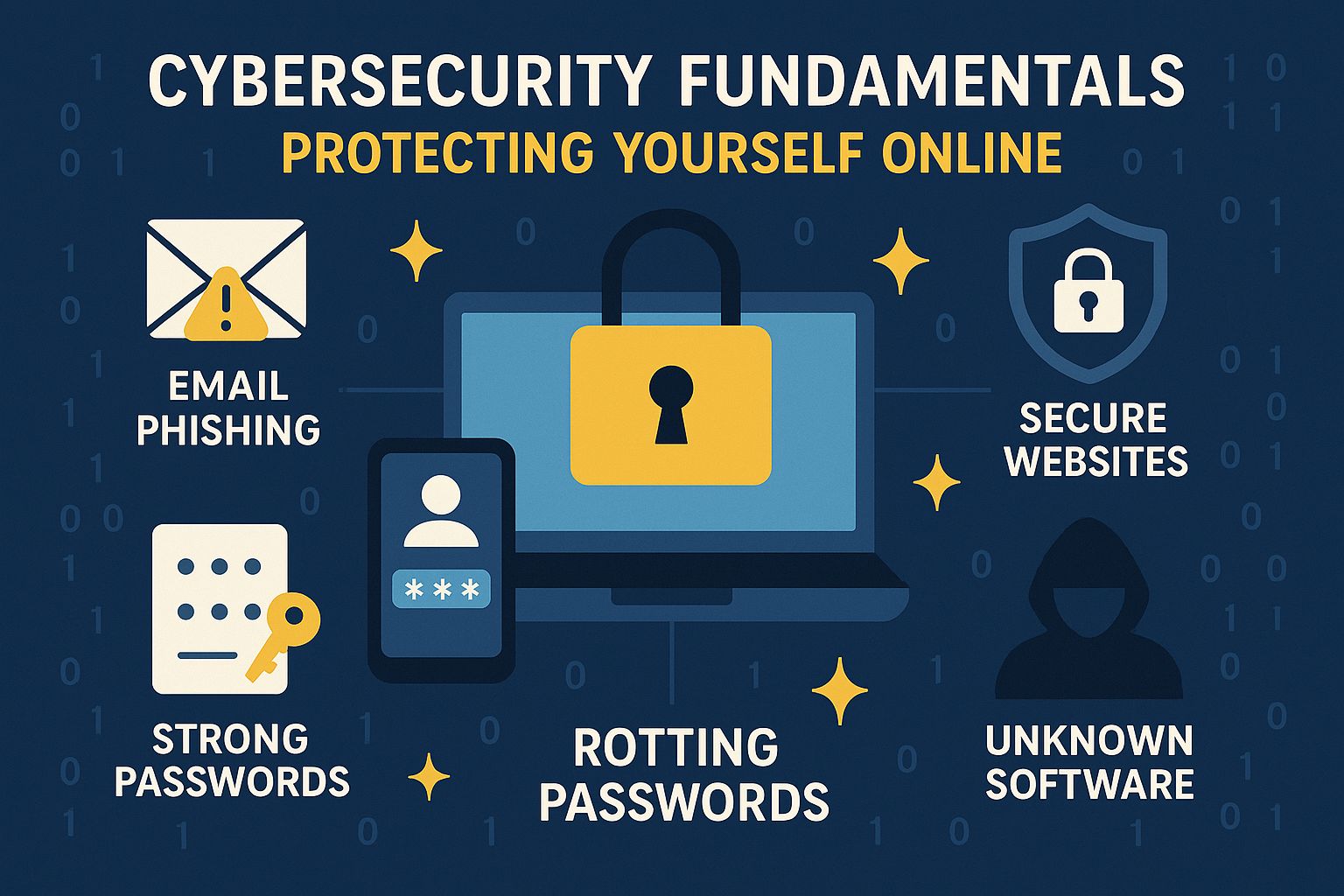
Ever since artificial intelligence (AI) became a common feature of the digital world, cyber threats have been evolving quickly.
Many organisations and smaller businesses assume that their systems are simply going to be able to withstand any oncoming threats because, up to date, nothing has gone wrong. Of course, many outdated cybersecurity practices will often go unnoticed until there is a major data hack, and recognising the early warning signs will help to stop financial loss, data breaches, and reputational damage.
So, if you want to know how to spot the signs that you need to update your online cybersecurity systems, read on.
You Haven’t Updated Your Security Systems
When was the last time you updated your cybersecurity system? Cybercriminals will often actively exploit vulnerabilities in operating systems, applications, and security software. So, if you have been ignoring patches and updates, these systems will remain exposed to documented threats in the online world.
You should seek to implement automatic updates whenever possible and put a detection and response system in place. For the latter, you will need to choose one that matches your business needs, so it is worth looking at Red Canary for guidance.
You Rely on Passwords Alone for Access Control
Do you still rely solely on passwords? This means that your cybersecurity posture is likely to be poor. Stolen credentials are one of the most common causes of data breaches, and these codes and passwords are often gathered through phishing attacks.
Even if you have a small business, it is well worth investing in multifactor authentication across all of your systems, especially cloud services, e-mail, and administrative accounts.
You Lack Visibility into Network Activity
Do you have full access to what is happening in your network? If you don’t know who is accessing your systems from where, or why they’re doing so, any unusual activity can be Undetected for long periods, meaning the risk of a data breach is high.
To prevent this, you should deploy a monitoring tool that will allow you to see what is happening across all of your systems in real time, as well as spot unusual user behaviour.
Your Employees or Users Lack Cybersecurity Awareness
Human error is one of the largest causes of cybersecurity incidents, and if you have staff who are not trained in how to spot phishing emails, deep fakes, or even suspicious links, then even the most secure cybersecurity systems can be easily bypassed.
So, you should seek to provide all of your staff with cybersecurity awareness training, especially as new technology and threats emerge. This can include regular reminders of how to spot suspicious activity, updating cybersecurity policies, and even undertaking phishing exercises.
No Clear Incident Response or Backup Plan
If your company were the victim of a cyber incident today, what would you do? A lot of small organisations do not have an incident response plan or a reliable data backup. This lack of prep can mean that they will suffer from increased downtime and will likely have higher financial losses if there is an attack.
It is always a good idea to have a clear incident response plan, which outlines roles, as well as recovery steps, and who to contact. You should maintain secure, offline or cloud-based backups to ensure that any data can be recovered and placed online quickly.