
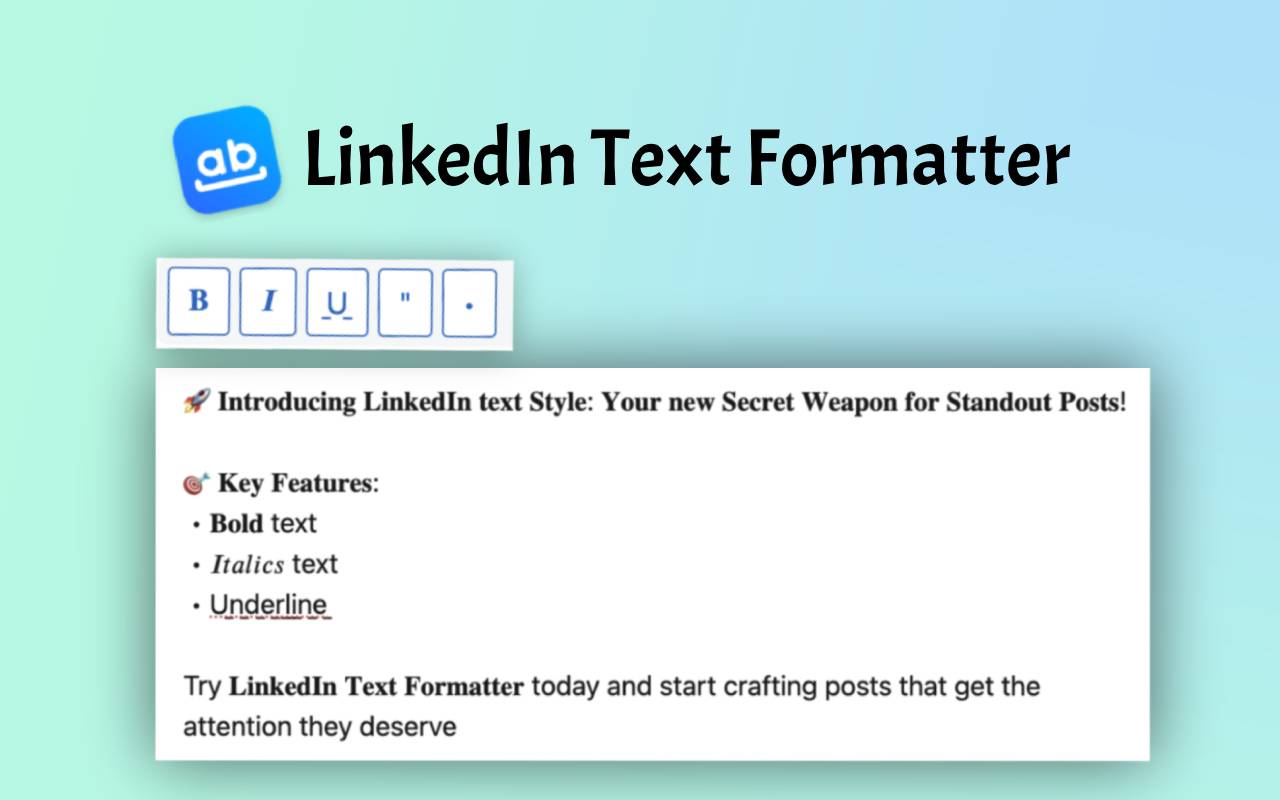
If you’ve ever posted something on LinkedIn and felt that strange moment of hesitation—the should I format this better? pause—you’re not alone. It happens to everyone at some point. A post that sounded perfect in your head suddenly looks uneven, too long, or oddly spaced on the screen. That’s usually the moment people start searching for tools like a LinkedIn text formatter, even if they don’t say it out loud. You just want your content to look cleaner, more intentional, maybe even a little more polished than the default text box allows.
Somewhere between writing a simple thought and hitting the post button, LinkedIn transforms into a surprisingly demanding platform. Not in the stressful way, but in the I want this to look professional way.
And sometimes professional doesn’t mean rigid—it means readable. It means persuasive. It means that the layout shouldn’t steal attention away from the idea. That’s why more and more creators, freelancers, founders, and even job seekers have started leaning on small tools to refine their presence. It’s not cheating. It’s enhancing.
And while formatting is one part of the story, visual identity plays its own role. Everyone recognizes the LinkedIn logo instantly. It’s so deeply associated with credibility that even using it in a document or on a portfolio changes the perception of what you’ve created. Something as tiny as an icon somehow holds the weight of years of professional networking culture. Funny how symbols work that way.
Then there’s the world of videos—quick interviews, reels repurposed from other platforms, or simple explainers. People constantly look for ways to handle them, especially through tools like LinkedIn video download, because sometimes you want to save a clip for inspiration, research, or even internal training. Small needs, but recurring ones. And that’s just scratching the surface.
Once you dive deeper, you realize there’s an entire layer of features designed for selling, outreach, and analytics. Tools like LinkedIn Sales Navigator feel almost like secret weapons—powerful when used correctly, overwhelming when used blindly. And of course, pricing questions pop up too, especially among Indian users who want to know whether the value matches the investment. Queries around LinkedIn premium cost in India appear almost daily across forums.
So let’s walk through everything—clean formatting, visual identity, video handling, outreach tools, premium features—and understand how these bits come together to shape a more confident LinkedIn presence.
Making LinkedIn Posts More Readable
Readability is underrated. People assume great content wins regardless of format, but on LinkedIn, structure matters. A well-spaced paragraph feels more inviting than a block of text. This is why tools such as a LinkedIn text formatter quietly became part of creator workflows.
You don’t notice its impact immediately. But one day, you compare an unformatted post with a formatted one, and the difference is almost embarrassing. Lines breathe. Thoughts land better. And readers stay longer. In a platform driven by attention and professional perception, that small improvement goes a long way.
Why The LinkedIn Logo Carries So Much Weight
The LinkedIn logo isn’t just a graphic; it’s a signal. A signal of credibility, professionalism, and trust. People add it to resumes, presentations, portfolios, and even business cards to subtly indicate their ecosystem.
It’s iconic in a way most social logos aren’t. Perhaps because LinkedIn is the only major platform that directly reflects a person’s professional life. When someone sees the logo, they don’t think social media—they think career. That association alone makes it powerful.

Downloading Videos For Reference And Learning
LinkedIn’s ecosystem of short videos is expanding. Industry experts share quick breakdowns, founders share insights, and influencers repurpose content from other platforms. But LinkedIn doesn’t always make video access convenient. That’s why tools for LinkedIn video download spread quietly through professional circles.
Not for reposting—most people aren’t trying to steal content. It’s more for internal use: team training, inspiration, or saving a clip someone might delete later. These micro-behaviors reflect how video is becoming a more integral part of work communication.
Exploring The Depth Of Sales Navigator
There’s a moment when a basic user opens LinkedIn Sales Navigator for the first time and feels overwhelmed. It’s like walking into a control room full of blinking lights and not knowing which switch does what. But once you understand its rhythm, it becomes a powerful tool.
The searches get more precise. The filters feel almost predictive. You find decision-makers without digging endlessly. And suddenly, outreach—previously exhausting—turns into a structured task that feels achievable.
Understanding Premium Plans In The Indian Market
Pricing always shapes decisions. And when people ask about LinkedIn premium cost in India, they want clarity—not vague assumptions. India’s professional landscape is diverse. Some want Premium for job-hunting. Others need InMail. Some want analytics. Some want sales features.
Premium becomes useful only when your goals demand it. Otherwise, it feels like an unnecessary luxury. This is why Indian users research more deeply—value analysis is part of the culture.
Why Formatting Makes Posts More Trustworthy
It sounds odd, but content that’s easier to read is perceived as more credible. Not because formatting equals expertise, but because it shows effort. A clean layout gives the impression that the writer respects the reader’s time.
With a LinkedIn text formatter, posts get that subtle polish. Paragraphs look intentional. Emphasis feels natural. And reader flow improves without added complexity.
Visual Branding And Recognition On LinkedIn
Branding isn’t just for companies; individuals rely on it too. The LinkedIn logo often appears in banners, pitch decks, CVs, and digital portfolios. It instantly communicates that your identity overlaps with the platform’s values—professionalism, networking, and growth.
Visual cues matter. They shape the subconscious decisions people make when glancing at your profile.
The Rise Of Video Consumption Among Professionals
People often assume professionals only consume text-heavy content. But videos now dominate learning and engagement. Whether it’s a workshop clip, a leadership talk, or an educational snippet, users increasingly save videos—sometimes using LinkedIn video download tools.
This shift tells us something bigger: professionals no longer separate learning from casual browsing. The two have merged quietly.
Why Sales Navigator Still Intimidates New Users
Many beginners open LinkedIn Sales Navigator expecting simplicity and then realize it’s anything but. It’s powerful, yes, but nuanced. You need patience to understand lead lists, saved searches, account mapping, and advanced filters.
But once you figure out its rhythm, the platform stops feeling intimidating. It becomes a map—one that points you to the right people instead of leaving you lost in broad searches.
Evaluating Whether Premium Is Worth It
Whether Premium makes sense depends on how deeply you use LinkedIn. Some rely on it daily for outreach, networking, analytics, or job applications. Others use LinkedIn casually. That’s why questions around LinkedIn premium cost in India are so common.
The trick is simple: if it speeds up or enhances your goals, it’s worth it. If it doesn’t, it’s optional—not essential.
Conclusion
LinkedIn has evolved into more than a professional network; it’s a toolkit for growth, branding, outreach, and learning. Whether someone is tightening their posts with a LinkedIn text formatter, exploring pricing like LinkedIn premium cost India, checking visuals such as the LinkedIn logo, saving insights through LinkedIn video download, or mastering deeper tools like LinkedIn sales navigator, the goal remains the same: build a smarter, more intentional professional presence. And as LinkedIn continues expanding its ecosystem, the value of using these tools thoughtfully will only grow.