
Search has changed quickly over the last few years. AI-generated summaries appear in results, users skim faster than ever, and algorithms evaluate usefulness beyond simple keyword matching. Yet one thing hasn’t disappeared — pages that are clearly structured, easy to understand, and genuinely helpful still rank consistently. That’s why strong on-page fundamentals remain essential even as search interfaces evolve.
For service businesses, on-page optimization carries even more weight than it does for large content publishers. Many service websites rely on a small number of core pages to generate leads. If those pages aren’t clear, trustworthy, and well-structured, visibility drops quietly over time. The problem often isn’t a technical failure or an algorithm update. It’s simply that competitors communicate value better.
This is where on page SEO service website strategy becomes powerful. On-page SEO helps search engines interpret your page while helping humans decide whether to stay, read, and take action. It connects structure with psychology. A strong title attracts the click. A clear heading guides attention. Well-placed internal links build authority and trust.
Together, these signals tell search engines your page deserves attention.
Many marketers overcomplicate the process, chasing trends or worrying that AI search means traditional optimization no longer matters. The opposite is often true. As search engines become better at evaluating helpful content, clarity and structure matter more, not less. Service pages that answer questions quickly and guide visitors naturally stand out.
This guide breaks down practical, real-world on-page strategies designed for 2026 and beyond. You’ll learn how to align pages with intent before editing a single tag, improve click-through rates with better metadata, organize content for readability, and reinforce trust through subtle UX signals. Think of this as a working playbook rather than a one-time checklist. Because the truth is simple: the best-performing service pages are refined over time, not built perfectly on day one.
Let’s start with the foundation that most people skip — understanding search intent before optimization begins.
Search Intent Alignment Before Optimization
Before adjusting headings or inserting keywords, step back and look at what a visitor is truly trying to achieve. Search intent shapes everything that follows. Without intent alignment, even perfectly optimized pages struggle to perform.
A strong on page SEO guide 2026 mindset begins by asking practical questions. Is the visitor comparing providers? Looking for pricing information? Searching urgently for immediate help? Service websites often fail because they describe offerings from the company’s perspective rather than solving the visitor’s immediate problem.
For example, someone searching for an emergency electrician doesn’t want a long company history. They want clarity, response time, and reassurance. A visitor researching marketing services, on the other hand, may want process explanations, examples, and trust-building details. Matching tone and structure to intent keeps visitors engaged longer — something search engines interpret positively.
Intent also influences page depth. Not every service page needs thousands of words. Some need concise clarity. Others require detailed explanations to reduce uncertainty. The key is understanding what users expect when they arrive and delivering that quickly.
When intent is aligned first, every later optimization decision feels natural rather than forced. This single shift often explains why some pages outperform competitors without seeming heavily optimized.
Title Tags That Drive Both Rankings And Clicks
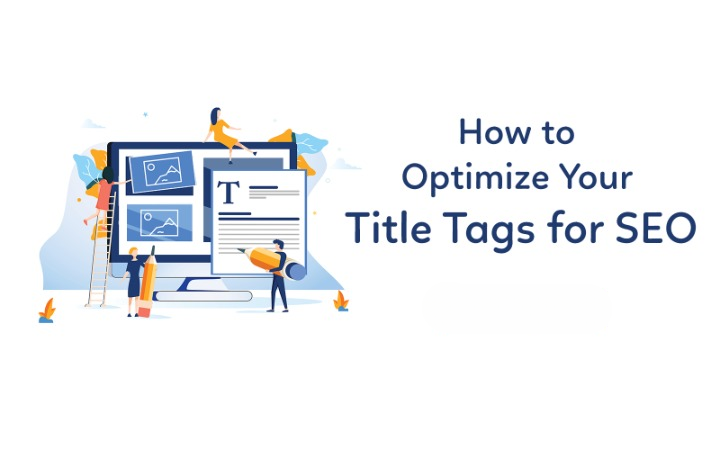
Titles are still one of the strongest signals search engines use to understand page relevance. But they also serve a human purpose: convincing someone to click. Strong title tag optimization SEO balances precision and curiosity without feeling exaggerated.
Effective titles clearly describe the service while hinting at outcomes. Including a location or specific benefit can improve relevance for service-based businesses. Avoid vague titles like “Our Services” or overly clever phrasing that hides intent. Searchers scan quickly and choose what feels immediately relevant.
A small real-world observation: businesses often rewrite titles after noticing impressions rise, but clicks stay flat. Simply clarifying the value proposition — for example, adding “Same-Day Service” or “Trusted Local Experts” — can raise click-through rates significantly without changing rankings.
Titles should also match the page content closely. If the headline promises one thing but the page delivers another, visitors leave quickly. That disconnect weakens both trust and engagement signals.
Think of titles as the handshake before the conversation starts. Clear, confident, and honest wins every time.
Meta Descriptions That Improve CTR Without Stuffing
Meta descriptions don’t directly influence rankings, but they strongly affect whether users choose your page over others. Following meta description best practices means writing summaries that feel useful rather than keyword-heavy.
A good description reinforces the page promise. It briefly explains what the visitor will find and why it matters. For service businesses, mentioning experience, approach, or outcome can improve clicks because it reduces uncertainty.
Many pages fail here by repeating keywords awkwardly. Instead, write naturally and focus on clarity. Think about what someone would want to know before clicking. Are you fast? Transparent? Specialized? These details matter.
Descriptions also help set expectations. When visitors feel the page matches what they anticipated, they stay longer. This subtle alignment indirectly supports search performance.
Short, confident descriptions often outperform overly detailed ones. Give enough information to create trust — then let the page do the rest.
Header Structure And Content Hierarchy For Clarity
A clear header structure SEO approach helps both readers and search engines navigate content. Headers create the roadmap of your page. Without them, even good writing feels overwhelming.
Use a single H1 that clearly defines the page topic. H2 sections should break the content into logical themes, while subheadings guide deeper exploration. This hierarchy improves scanning behavior, especially on mobile, where users rarely read line by line.
Headers should answer questions naturally rather than forcing keywords into every title. Think about how a real conversation flows. Each heading should build on the last, guiding visitors toward understanding and eventually action.
A common issue on service websites is repetitive headings that add little value. Distinct, informative headings improve readability and make content easier to revisit later.
Good hierarchy doesn’t just help rankings. It reduces cognitive load, which keeps people engaged longer — one of the strongest indirect signals of quality.
Keyword Placement That Feels Natural And Human
Keyword strategy has moved far beyond repetition. Effective keyword placement SEO focuses on context and clarity rather than density. Place important terms where they naturally reinforce meaning — opening paragraphs, relevant headers, and supporting sections.
Forced placement feels unnatural and often reduces trust. Readers notice when text sounds written for algorithms instead of people. Search engines notice too.
Use variations and related phrases to keep language natural. This aligns with how people actually search and speak. For example, a service page might mention outcomes, problems solved, or process steps rather than repeating exact terms.
A helpful mental shift: keywords should guide the conversation, not dominate it. When pages read smoothly, visitors stay longer and engage more deeply.
Natural writing often performs better precisely because it respects the reader’s experience first.
Internal Linking That Builds Service Page Authority
Internal links are often underused on service websites. Strong internal linking on page structure helps search engines understand relationships between services while guiding visitors toward deeper exploration.
Link related service pages, supporting blog content, FAQs, and case studies where relevant. These connections distribute authority across the site and reduce reliance on external links alone.
Anchor text should feel descriptive without being repetitive. Natural language works best because it reflects real navigation behavior. A page about web design, for example, might link naturally to SEO services or conversion-focused content.
Internal linking also reduces bounce rates. Visitors who discover additional relevant pages are more likely to trust your expertise and eventually contact you.
Think of internal links as subtle recommendations between pages — quiet signals that strengthen the overall site structure.
Image Optimization, Alt Text, and Visual SEO
Images do more than decorate pages. They build trust and help explain services visually. Proper image alt text SEO ensures search engines and assistive technologies understand what images represent.
Alt text should describe the image honestly, not act as a keyword dumping ground. For example, describing a team working on-site is more valuable than stuffing service phrases unnaturally.
Compression and sizing matter too. Slow-loading images hurt user experience and can reduce engagement. Service websites often rely on large visuals to show credibility, so balancing quality and speed is critical.
Real photos frequently outperform stock imagery because they create authenticity. Visitors want proof that your business is real and experienced. Visual credibility influences conversions more than many marketers realize.
Image optimization sits at the intersection of SEO and user trust — and both benefit when done thoughtfully.
Schema Markup For Service-Based Businesses
Understanding schema markup basics helps service businesses provide a clearer context to search engines. Structured data can identify business type, service offerings, reviews, and contact information.
Schema doesn’t magically improve rankings, but it reduces ambiguity. Search engines can interpret page details faster, potentially enhancing visibility through richer search results.
Implementation should match visible content exactly. Overly complex markup often creates errors that provide no benefit. Simple, accurate schema usually delivers the strongest results.
For local or service-oriented websites, structured data acts like a confirmation layer, reinforcing information already present on the page.
Think of schema as behind-the-scenes clarity. Users may never see it directly, but it helps search engines understand your page with greater confidence.
UX Signals Google Interprets As Quality
User experience influences SEO indirectly through engagement. Strong readability SEO practices — short paragraphs, clear fonts, and natural flow — keep visitors on the page longer.
This is where SEO content formatting becomes important. Content should feel easy to scan without losing depth. Mixing short sections with deeper explanations keeps the rhythm natural and prevents fatigue.
Clear calls to action, intuitive navigation, and trust signals like testimonials or certifications also improve perceived quality. Visitors who feel confident are more likely to continue exploring rather than returning to search results.
A subtle observation: pages that prioritize clarity often outperform longer, overly dense pages. It’s not about writing more — it’s about making content easier to process.
Good UX quietly reinforces SEO because satisfied users send positive signals without realizing it.
On-Page SEO Checklist For 2026
A practical approach to service page SEO tips includes regularly reviewing intent alignment, metadata clarity, header logic, keyword flow, internal links, images, and schema setup. On-page SEO isn’t finished after one launch. Pages evolve as your business and audience evolve.
Set a routine for auditing core service pages every few months. Look for outdated messaging, broken links, or opportunities to improve clarity. Small adjustments over time often produce stronger results than large redesigns.
Also, evaluate performance metrics like click-through rates and time on page. These clues show where on-page improvements could have an immediate impact.
Think of your checklist as maintenance, not repair. Consistency keeps pages competitive in a constantly shifting search environment.
Conclusion
On-page SEO continues to drive rankings because it directly influences how search engines and users understand your content. By aligning pages with intent, optimizing titles and headers thoughtfully, improving internal linking, and supporting usability through visuals and formatting, service websites can build durable visibility in 2026 and beyond. Start with your core pages first — the ones driving leads — and audit them using a structured checklist. Small, consistent refinements often create stronger long-term growth than dramatic overhauls done once and forgotten.
FAQs
How often should I update service pages for SEO?
Review key service pages every three to six months. Update metadata, clarity, and internal links as needed. Small improvements help maintain relevance without requiring full rewrites.
Do title tags still matter with AI search results?
Yes. Titles help search engines understand page topics and influence clicks. Clear, intent-focused titles remain essential for both visibility and user trust.
How many internal links should a service page have?
There’s no fixed number. Include links where they genuinely help users explore related services or resources. Natural linking patterns usually perform best.
Is schema markup necessary for small service websites?
It’s not mandatory, but it helps search engines interpret business details clearly. A simple service or local business schema can provide helpful context.
Can image optimization really impact SEO rankings?
Indirectly, yes. Faster images improve page speed and user experience, which supports stronger engagement signals and overall performance.
What is the biggest on-page SEO mistake service sites make?
Ignoring intent alignment. Many pages describe services but fail to address what visitors actually want to solve when they search.