
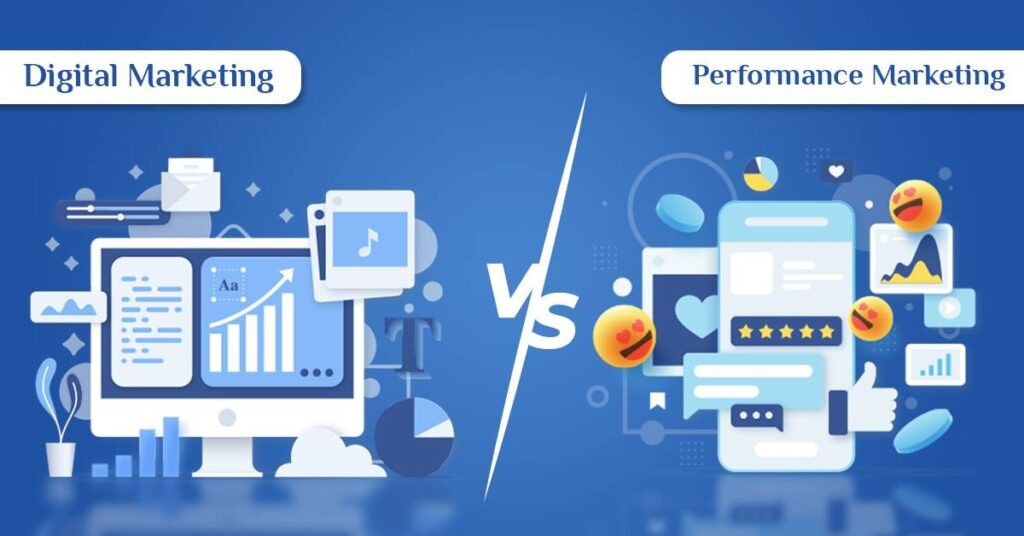
A lot of people use what is the difference between performance marketing and digital marketing like it’s some neat little textbook question with a neat little textbook answer. It isn’t, not really. The short version people usually throw around is this: digital marketing is the big umbrella, and performance marketing is one part of it, the part where you pay for measurable actions like clicks, leads, or sales. That’s true, but it’s also the kind of answer that makes sense for twelve seconds and then falls apart the moment an actual business tries to build a strategy from it.
Because when somebody says, “We need digital marketing,” what do they mean? SEO? Instagram reels? Email campaigns? Paid ads? A weird WhatsApp drip funnel nobody asked for but somehow works? And when another person says, “No, no, we need performance marketing,” they usually mean they want numbers they can point at in a meeting without feeling embarrassed. Cost per lead. Return on ad spend. Conversion rate. The graph going up and to the right so the founder can breathe again.
That’s where the confusion starts. One is a broad system. The other is a results-first slice of that system. But if you stop there, you miss the real tension: digital marketing builds presence, demand, memory, trust, and attention over time. Performance marketing wants movement now. This week. Maybe by 4 p.m. if the client is already irritated.
And honestly, both matter. But not in equal doses for every business.
A local dentist does not need the same thing as a D2C skincare brand. A SaaS startup chasing free trials is playing a different sport from a legacy furniture business trying to drag itself out of its “word of mouth is enough” era. Same internet, different game.
So let’s not do the polished agency answer. Let’s actually get into it.
Digital marketing is the whole machine
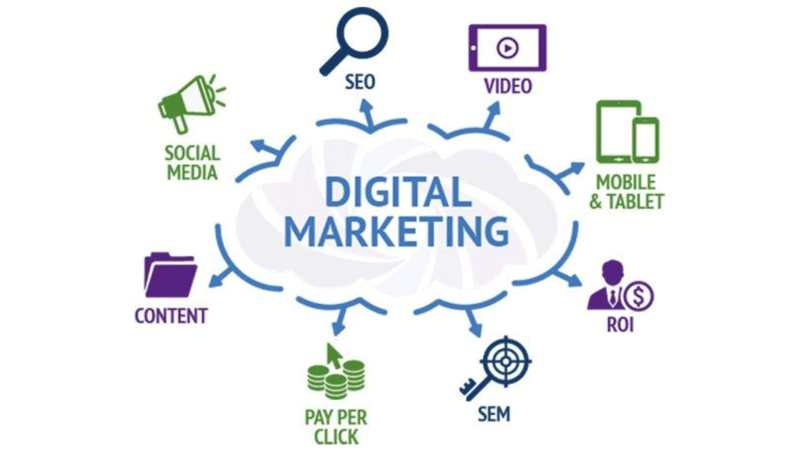
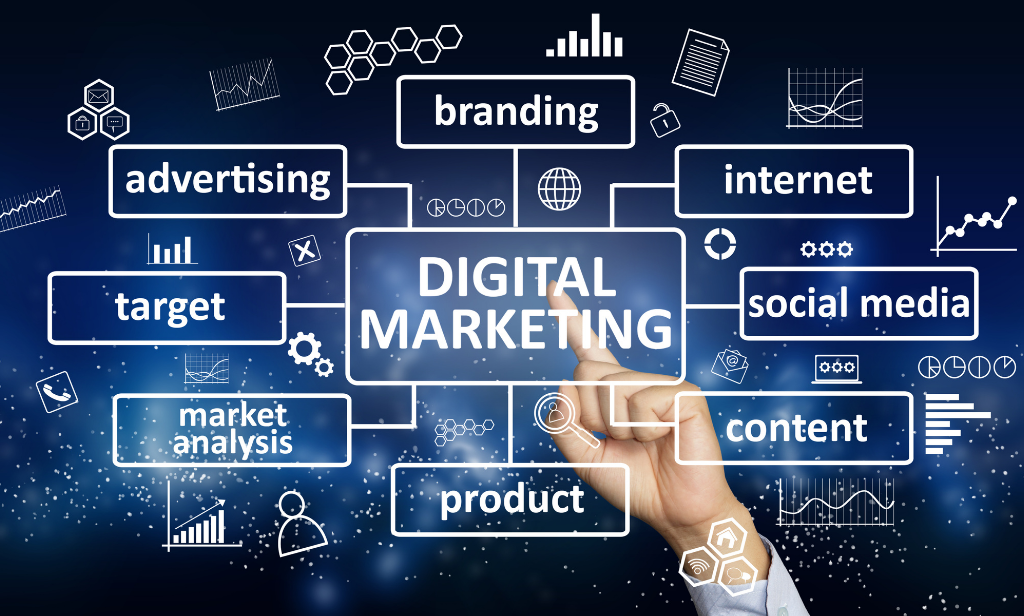
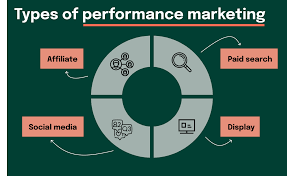
Think of digital marketing as the entire engine room. Every online tactic a brand uses to get noticed, build trust, attract people, and maybe convince them to buy something lives in here. Search engine optimization, content marketing, social media, email marketing, influencer partnerships, paid search, display ads, affiliate programs, mobile ads, video campaigns, all of it.
That’s why what is the difference between performance marketing and digital marketing keeps coming up. People compare them like they are parallel choices, but they’re not. Digital marketing is the larger territory. Performance marketing is one neighborhood inside it, the part obsessed with trackable outcomes.
A company can do digital marketing without doing much performance marketing. Happens all the time. Maybe they publish blogs, send newsletters, make YouTube videos, post on LinkedIn, and work on organic visibility. That’s still digital marketing. No question.
But performance marketing without digital marketing? Not really. That’s like saying you’re doing competitive sprinting without running.
Digital marketing includes brand-building efforts that are hard to measure in a clean, immediate way. Somebody sees your post today, ignores you for three weeks, googles you later, reads two reviews, asks a friend, then buys. Good luck assigning that entire story neatly to one touchpoint. You can try. Marketers do try. Then attribution models start arguing with each other like tired cousins at a wedding.
Performance marketing cares about outcomes you can count
Performance marketing is much less romantic. It doesn’t care that your campaign was “well received” or that the creative team thought it felt premium. It wants a measurable action. A click. A signup. A booked demo. A purchase. A downloaded app. Something concrete.
That’s the core of it.
In performance marketing, brands usually pay based on results or at least optimize heavily toward them. The whole setup revolves around efficiency. You launch campaigns, test creatives, adjust audiences, cut waste, study conversion paths, then try again before the algorithm decides to behave strangely for no reason on a Tuesday.
This is why businesses love it. Or think they do. It feels accountable.
If a company spends ₹1,00,000 and gets 400 leads, the conversation becomes simple. Maybe not easy, but simple. You can calculate cost per lead. You can compare campaigns. You can see which ad set is leaking money like a cracked bucket. You can make decisions faster.
That measurable quality is the biggest practical answer to what is the difference between performance marketing and digital marketing. Digital marketing can be broad, strategic, and sometimes fuzzy around attribution. Performance marketing narrows the lens and asks, “What happened, exactly, after we spent this money?”
Not what people felt. What they did.
One builds momentum, the other pushes for action
This is where it gets interesting.
Digital marketing often works like slow pressure. It creates familiarity. It puts your brand in front of people repeatedly, across channels, until you stop being a stranger. That matters more than people admit. Most buyers do not wake up delighted to buy from an unknown company with a badly cropped logo and three followers.
Performance marketing, meanwhile, is usually trying to trigger a response right now. Click the ad. Fill the form. Use the code. Book the call. Buy before midnight. It’s transactional in the best and worst sense of the word.
Neither approach is automatically better. That argument unravels fast once you look at business type, budget, timing, and audience behavior.
If you’ve launched a new product and nobody knows you exist, pure performance marketing can get expensive fast. You keep pushing cold audiences to convert before they trust you. That’s rough. It’s like asking someone to marry you while they’re still trying to remember your name.
But if you spend months on brand-heavy digital marketing with no performance layer at all, you may end up with nice engagement numbers and a founder quietly panicking because payroll is due.
So yes, digital marketing can warm the room. Performance marketing tries to close the door behind the customer before they leave.
The channels overlap more than people think
Here’s another reason the question gets messy. The channels themselves often overlap.
Google Ads? Could be performance marketing. Could also be part of a bigger digital marketing strategy. Same with social media ads, email, affiliate marketing, influencer partnerships, even content in some cases.
Let’s say a fitness brand publishes educational blog posts about recovery, protein, and workout plans. That’s digital marketing. Now they retarget blog readers with an offer for their supplement stack and optimize for purchases. That second move leans into performance marketing.
Same internet. Same audience. Different intent.
This is why asking what is the difference between performance marketing and digital marketing is useful, but only if you understand the distinction is more about mindset and goal structure than about separate planets of activity.
Performance marketing asks: what channel can produce the most efficient action?
Digital marketing asks: how do we use digital channels to grow the business overall?
That broader view matters because not every useful thing happens at the bottom of the funnel.
Digital marketing includes organic efforts, performance marketing often leans paid
Not always, but often enough that it’s worth saying plainly.
Digital marketing includes organic strategies like SEO, organic social media, email nurturing, thought leadership, community building, and long-form content. These tactics can take time. They don’t always produce immediate results. They can also become absurdly valuable once they compound.
A decent article ranking on Google can keep bringing leads months later. A strong email list becomes an asset. A YouTube channel can quietly turn into a trust machine. Organic social can make a brand feel human, which is rarer than it should be.
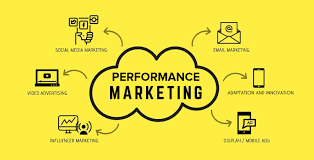
Performance marketing usually leans harder on paid acquisition because paid media gives you speed, control, and measurable testing. You can launch today, spend today, learn today. That speed is addictive. It also makes teams lazy sometimes. Why build a library of useful content when you can just keep feeding Meta and Google until your CAC starts looking like a medical emergency?
And that’s the catch.
Paid performance campaigns can scale quickly, but they are rented land. Stop paying and the traffic slows. Organic digital marketing takes longer, but it builds assets you keep.
One gives you velocity. The other can give you stability. Businesses need both, though plenty of them pretend otherwise right up until things wobble.
The metrics are not the same, and that changes behavior
Metrics shape behavior more than strategy decks do. Always.
Digital marketing teams may care about traffic growth, organic rankings, engagement, reach, email open rates, branded search volume, audience growth, time on site, and assisted conversions. These are useful signals, even when they don’t tie neatly to one sale.
Performance marketing teams care more about cost per click, cost per acquisition, return on ad spend, click-through rate, conversion rate, customer acquisition cost, lifetime value to CAC ratio, and revenue per campaign. Harder numbers. Cleaner pressure.
Once you know what a team is measured on, you can usually predict how they’ll behave.
If you measure only performance metrics, teams start chasing cheap conversions, even if those leads are terrible. You’ve seen this before. A campaign produces a flood of form fills, sales gets excited for one afternoon, then realizes half the leads entered fake phone numbers and one of them is clearly a bot named “asdf ghjk.”
If you measure only top-of-funnel digital metrics, teams may celebrate reach and impressions while revenue sits in the corner wondering if anyone remembers it exists.
That’s why the clean distinction in what is the difference between performance marketing and digital marketing matters less than how the two work together. Metrics should create balance, not tunnel vision.
Performance marketing is easier to defend in meetings
This sounds cynical, but it’s true.
When money gets tight, performance marketing usually gets louder support because it looks defensible. A paid campaign can show direct conversions. A retargeting funnel can point to actual sales. A lead gen campaign can show cost per lead trends month by month. People like spreadsheets when they’re nervous.
Brand-heavy digital marketing can be harder to defend because its value often appears over time. You’re building familiarity, authority, recall, and trust, all the stuff that makes future conversions cheaper and easier. But try explaining that to someone who wants immediate proof and has already asked twice why LinkedIn impressions matter.
So performance marketing often wins internal arguments. Not because it is always smarter, but because it is easier to narrate.
A founder can stand in front of investors and say, “We spent X and generated Y.” Clean. Sharp. Feels solid.
Saying, “We’re building category awareness through educational content and community engagement” is true, but it lands differently unless the room already believes in long-term brand value. Many don’t. Or they do until cash flow starts wheezing.
Small businesses often misunderstand both
A lot of smaller businesses ask for digital marketing when they really want sales. Or they ask for performance marketing when what they actually need is a functioning website, a believable offer, and landing pages that don’t look like they were assembled during a power cut.
This part gets ignored too much.
You cannot performance-market your way out of a broken business model. You can’t run ads to fix weak positioning, bad customer service, ugly checkout flow, or a product nobody wants. You can get traffic, sure. But traffic is not mercy.
Digital marketing has the same problem. Posting content every day won’t save a business with confused messaging and no differentiated value. More activity doesn’t automatically mean more traction. Sometimes it just means you are sweating in public.
Imagine a small B2B software company. They start posting thought leadership threads, writing blogs, sending newsletters, and running Google Ads for demo bookings. That all sounds respectable. But if the product page still takes nine seconds to load and the call-to-action reads like legal paperwork, the machine is fighting itself.
The channels are not the first problem. The offer is.
So which one should a business focus on?
Annoying answer: depends. Real answer: still depends, but not in a vague consultant way.
If your business needs quick, measurable customer acquisition and already has a reasonably strong offer, performance marketing deserves serious attention. This is especially true for ecommerce, app installs, lead generation, and products with clear conversion paths.
If your business has low awareness, a long sales cycle, trust barriers, or a complex product, broader digital marketing matters more than you may want to admit. SEO, educational content, email nurturing, organic social proof, and authority-building can do a lot of heavy lifting before paid conversion campaigns even have a chance.
The healthiest strategy is usually layered.
Use digital marketing to create visibility, trust, and sustained demand. Use performance marketing to capture and convert that demand efficiently. That combination tends to work better than choosing one camp and turning it into ideology.
Because some marketers get weirdly religious about this stuff.
You’ll hear one side say brand is everything and paid ads are shallow. Then another side says if you can’t measure it, it’s fluff. Both are half-right, which is another way of saying both are dangerous when left unsupervised.
The real difference is philosophical
At the deepest level, what is the difference between performance marketing and digital marketing is not just a channel question. It’s a philosophy question.
Digital marketing says growth online can come from many directions. Build a presence. Shape perception. Earn attention. Nurture relationships. Show up consistently. Make the brand easier to find, easier to trust, easier to remember.
Performance marketing says none of that means much unless it moves people to act and can be measured against cost.
Both are right. Both are incomplete.
And there’s a tension here nobody really resolves. Some of the most valuable marketing effects are hard to measure precisely. Some of the easiest things to measure are not the most valuable. That contradiction just sits there. You don’t solve it once and move on. You manage it.
Like tuning an old scooter that always sounds slightly wrong but still gets you home.
Final thoughts
If you strip away the jargon, the difference is simple enough. Digital marketing is the broad practice of promoting a brand through online channels. Performance marketing is the part of that practice built around measurable outcomes like leads, sales, clicks, or installs.
But the useful answer is bigger than that. Digital marketing helps create demand, trust, and long-term visibility. Performance marketing converts demand into action and forces accountability. One builds the road. The other puts toll booths on it.
Most businesses don’t need to choose a winner. They need to stop treating them like enemies and build something where both can do their job.
FAQs
1. Is performance marketing a part of digital marketing?
Yes, that’s the simplest way to put it. Performance marketing sits inside digital marketing. Digital marketing covers everything online, while performance marketing focuses on campaigns where success is measured through actions like clicks, leads, sales, or installs.
2. Which is better for small businesses, digital marketing or performance marketing?
Usually both, just not in the same proportion. A small business may need performance marketing for quick leads, but without digital marketing basics like a good website, SEO, and trust-building content, paid campaigns can get expensive and shaky.
3. Can SEO be called performance marketing?
Not usually in the strict sense. SEO is part of digital marketing and can absolutely drive measurable results, but performance marketing usually refers more to paid campaigns optimized for direct outcomes. SEO is slower, broader, and less immediate.
4. Why do people confuse performance marketing with digital marketing?
Because the channels often overlap. Paid search, social ads, email, and affiliate campaigns can all fall under digital marketing, and some of them can also be run with a performance mindset. Same tools, different goals.
5. Does performance marketing only mean paid ads?
Most of the time, yes, or at least mostly paid channels. It usually involves paid campaigns because they are easier to track and optimize quickly. But the bigger idea is not payment alone, it’s the obsession with measurable outcomes.
6. Can a business rely only on performance marketing?
It can for a while, but that gets risky. Paid campaigns can bring fast growth, though they rarely build lasting brand equity on their own. Without broader digital marketing, customer trust, organic discovery, and long-term stability can stay weaker than they should.