

A sudden drop in rankings can feel like the ground disappears under a website owner’s feet. One day, traffic looks stable, the next day impressions shrink, clicks fall, and analytics graphs tilt in directions nobody wants to see. The instinct is panic. Refresh dashboards endlessly. Make rapid changes. Maybe even blame Google immediately. But rushing rarely helps.
The truth is, many sites eventually experience some kind of visibility fluctuation. Search results evolve, competitors improve, algorithms shift, and user expectations change quietly. Sometimes the problem is external. Sometimes it’s technical. Often, it’s a mix of small issues stacking up until they become visible as one dramatic decline. That’s why the smartest response isn’t emotional — it’s methodical.
This guide is designed to help you recover from Google ranking drop situations calmly and logically. Instead of random fixes, you’ll follow a framework that helps identify what actually changed, why it happened, and what actions are most likely to rebuild performance. Think of it as a diagnosis before treatment.
Maybe your website ranking dropped suddenly after months of steady growth. Or perhaps traffic has been slipping slowly, and you just noticed. Either way, recovery starts with clarity. You don’t need advanced tools or complex scripts. You need structure, patience, and the willingness to look at evidence instead of assumptions.
Through each section, we’ll move from confirmation to diagnosis, then into action and measurement. No shortcuts promised — because real recovery doesn’t work like that — but a clear path forward does exist. And once you understand the patterns behind ranking changes, future drops become less frightening and more manageable.
Let’s begin with the first step almost everyone skips: verifying the drop properly.
Confirm The Drop: Dates, Pages, Queries
Before applying any SEO recovery plan, confirm what actually dropped. Sounds obvious, yet many site owners react based on one dashboard snapshot. Open Search Console and look at performance data over the last several months. Compare specific periods rather than general impressions. Did clicks fall across the whole site, or only certain pages?
Sometimes, a search console ranking drop appears severe but actually affects only a small group of keywords. Maybe seasonal demand changed, or a single high-traffic page slipped slightly. Dates matter here. Mark when the decline started and note whether impressions, clicks, or average positions shifted first.
Look closely at queries. Were you previously ranking for terms slightly outside your niche? If so, losing those isn’t always bad. Real damage usually shows when core service or revenue-driving pages decline. This stage feels slow, almost boring, but clarity prevents unnecessary changes later.
Think of it like checking the map before taking action. Without confirming what moved, fixing the wrong pages can accidentally make things worse.
Check For Algorithmic Updates vs Site Issues
Once the timeline is clear, compare the drop against known update periods. Many cases of ranking drop after update align closely with algorithm rollouts, but correlation isn’t always causation. If the timeline matches an update, examine whether competitors were affected too.
A true Google update recovery process starts with understanding the intent behind updates. Some target content quality, others focus on spam signals or user experience. If nothing major happened externally, then site-level issues may be the culprit.
Also consider Google ranking drop reasons unrelated to updates. Site redesigns, hosting problems, accidental noindex tags — small mistakes can mimic algorithm hits. It’s surprisingly common. A business might assume Google changed the rules, while the real problem was a plugin update breaking internal links.
This step requires patience. Avoid jumping straight into rewriting content. First, identify whether your site changed, or the landscape around it changed. That distinction shapes everything that follows.
On-Page Intent Mismatch Diagnosis
Sometimes rankings decline even when technical health looks fine. Why? Search intent shifts. What users expect from a page today might differ from what they expected last year. A mismatch creates declining click-through rates and weaker engagement.
Analyze titles and snippets. Are they aligned with what searchers actually want? A SEO traffic drop can begin quietly when pages promise one thing but deliver another. Check whether competing results use clearer messaging or richer snippets.
If CTR falls while impressions remain stable, intent misalignment could be the issue. Small adjustments — clearer headlines, updated meta descriptions, stronger opening paragraphs — often help recover SEO rankings without massive rewrites.
There’s also human psychology. Users scan quickly. If your page feels outdated or vague compared to newer competitors, clicks shift elsewhere. Sometimes the solution is not more content, but clearer intent signals that reassure searchers instantly.
Technical Issues That Look Like Drops
Technical problems can look dramatic because they affect visibility suddenly. A page accidentally blocked from indexing, server downtime, or crawl errors can lead to what feels like a catastrophic loss.
Review indexing reports carefully. Are important pages excluded? Has crawl activity dropped? A sudden drop in website ranking often traces back to technical disruptions rather than content issues.
Mobile usability also plays a role. Even minor rendering issues can affect performance over time. Technical audits don’t have to be overly complex — check canonical tags, redirects, and loading speed basics.
Sometimes the simplest explanation wins. One company discovered its staging environment got indexed instead of the live site. Rankings plummeted. Fixing the issue restored visibility within weeks. The lesson? Always rule out technical causes before bigger strategic changes.
Content Quality and Helpful Content Flags
Content quality remains a central factor in modern SEO. Thin pages, duplicated sections, or generic text can trigger slow declines. This is where SEO recovery checklist thinking becomes useful: evaluate quality page by page rather than assuming everything needs rewriting.
Search engines increasingly prioritize helpful, experience-driven content. Pages written purely for rankings may struggle. If multiple articles target nearly identical terms, cannibalization can weaken performance. Consolidation may help.
Sometimes a site loses visibility because it scaled content too quickly without maintaining depth. Not every page needs to be long, but it should feel purposeful. Ask yourself: Does this actually help someone make a decision?
Quality updates don’t mean deleting everything. Often, improving clarity and adding real-world context can trigger recovery signals over time.
Competition and SERP Evolution
Rankings rarely exist in isolation. Competitors improve too. In many cases, lost Google rankings simply mean someone else offered better answers or stronger brand trust.
Search results evolve constantly. New features, video carousels, forums, and local packs shift click patterns. This ranking volatility SEO environment makes static strategies risky. Review who replaced you. Are they providing fresher information? Better UX? Stronger topical depth?
Sometimes the winning pages aren’t objectively better — just more aligned with current user expectations. Understanding why competitors moved up helps guide smart adjustments instead of random edits.
Think of it as market research. The SERP itself reveals what Google believes users want right now.
Recovery Actions: Refresh, Merge, Prune
After diagnosis comes action; three main approaches usually drive recovery. Refresh pages that still have potential by updating data, improving structure, and clarifying intent. Merge overlapping pages to reduce cannibalization and strengthen authority. Prune truly weak pages that add no value.
Knowing when to fix ranking drop issues with each method requires context. If a page still gets impressions, refreshing is often best. If several pages compete internally, merging helps concentrate relevance.
Pruning sounds scary, but removing low-quality content can improve overall signals. The key is intentional decision-making rather than emotional reactions. Recovery happens through focused improvement, not large-scale chaos.
Rebuild Authority: Link Audit and Outreach Focus
Authority still matters. If competitors gained stronger backlinks while your profile remained stagnant, rankings may decline gradually. Start with a clean audit. Remove or disavow clearly harmful links, but avoid overreacting.
Then shift toward proactive outreach. Partnerships, guest features, and industry mentions build trust naturally. Quality over quantity. A few relevant mentions often outperform hundreds of low-value links.
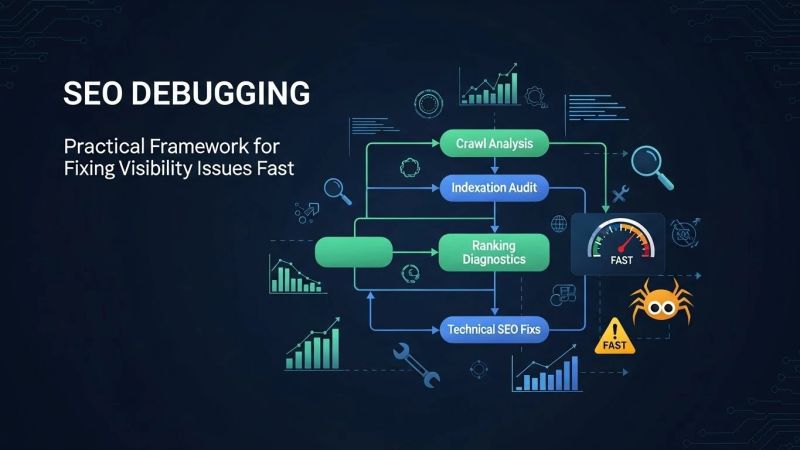
An effective diagnostic SEO framework includes evaluating authority trends alongside content and technical health. Recovery isn’t only about fixing mistakes; sometimes it’s about strengthening signals that competitors have improved faster.
Consistency here pays off slowly. Think months, not days.
Measuring Recovery: KPIs and Timelines
Recovery takes time. Tracking the right metrics prevents frustration. Monitor impressions first — they often recover before clicks. Then watch the average position for target pages. Short-term volatility is normal.
Many owners expect immediate results and assume failure too soon. A practical SEO recovery plan includes realistic timelines. Minor issues may recover within weeks, while algorithm-related changes can take several months.
Set benchmarks around visibility trends rather than exact ranking numbers. This perspective helps maintain momentum while improvements compound. Recovery is rarely linear; small ups and downs are part of the process.
Case Study Example and Playbook
A local service site noticed a major SEO traffic drop after an algorithm update. Panic followed. They considered redesigning everything. Instead, they paused and analyzed data. The decline centered around blog posts that no longer matched search intent.
Using a structured process, they refreshed top pages, merged overlapping articles, and improved internal links. Technical checks revealed slow mobile load times, which were fixed quietly in the background. Over three months, impressions stabilized. Rankings gradually returned.
What stood out wasn’t a magic tactic. It was discipline. They followed a playbook instead of reacting emotionally. This approach — diagnose, prioritize, execute — works repeatedly across industries.
Recovery stories often sound dramatic, but in reality, they’re built from small, logical decisions made consistently.
Conclusion
Ranking drops feel stressful, but they rarely mean permanent loss. With a clear framework, you can diagnose causes, prioritize fixes, and rebuild visibility steadily. Focus on clarity over urgency. Confirm the data, improve what matters most, and measure progress patiently. If you want faster execution, consider creating a downloadable recovery checklist your team can follow monthly. Consistent, focused action turns SEO setbacks into long-term improvements.
FAQs
How long does it take to recover from a ranking drop?
Recovery timelines vary depending on the cause. Technical fixes may show improvements within weeks, while algorithm-related issues can take several months. Consistent updates and monitoring usually produce gradual rather than instant results.
Can a website fully recover after a major Google update?
Yes, many sites recover after updates by aligning content and technical quality with user expectations. Recovery often involves improving helpfulness, intent alignment, and overall site authority rather than drastic redesigns.
What is the first thing to check after rankings drop?
Start by confirming data in Search Console. Identify affected pages, queries, and dates. This prevents unnecessary changes and helps pinpoint whether the issue is technical, content-related, or algorithmic.
Should I delete content if rankings fall?
Not always. Evaluate performance first. Some pages benefit from updates or merging instead of removal. Pruning works best for thin or outdated content that no longer serves user intent.
Can backlinks alone fix lost rankings?
Backlinks help, but they rarely solve underlying problems alone. Content quality, technical health, and intent alignment must be addressed first for link-building efforts to have a meaningful impact.
Why do rankings fluctuate even when nothing changes?
Search results evolve constantly due to competitor improvements, algorithm shifts, and changing user behavior. Small fluctuations are normal. Focus on long-term trends rather than daily position changes.