

Writers and SEO teams often want the same outcome but approach it from different angles. Writers focus on clarity, storytelling, and audience engagement. SEO specialists look at structure, intent matching, and visibility. Somewhere in between, content either succeeds — or quietly disappears into the endless archive of forgotten pages. That gap is exactly why mastering content writing SEO matters more now than ever.
Many agencies still treat writing and optimization as separate stages. The writer drafts something engaging, then SEO edits it for keywords later. But modern search performance doesn’t work like that anymore. Search engines reward content that feels naturally useful while still being structured clearly enough for machines to understand. The challenge? Balancing both without sounding robotic.
This tension shows up everywhere. Writers worry that optimization ruins creativity. SEO teams worry beautiful writing won’t rank. And clients, understandably, just want results — more traffic, better leads, stronger authority. The solution isn’t choosing one side. It’s building a workflow where strategy and writing happen together from the beginning.
Think about the content that actually performs well long term. It answers questions quickly, feels easy to read, and builds trust gradually. It doesn’t overwhelm readers with jargon or awkward keyword stuffing. Instead, it feels like someone genuinely tried to help.
This playbook is designed to bridge that gap. You’ll learn how to structure ideas before writing, create openings that hold attention, optimize without sacrificing tone, and measure success beyond rankings alone. Along the way, you’ll find practical templates, micro-story examples, and editorial handoff ideas that agencies and freelancers can adopt immediately.
Good SEO content doesn’t feel optimized. It feels inevitable — as if the page was exactly what the reader needed at that moment. Let’s start with what happens before a single word is written.
Before You Write: Intent, Audience, Outcome
Great writing begins long before drafting. A strong SEO content framework starts with intent. Why is someone searching? Are they researching, comparing, or ready to take action? Understanding this prevents content from drifting into generic explanations that satisfy no one.
Audience clarity matters just as much. A beginner’s guide written for advanced readers will fail quietly, even if technically optimized. Defining tone, reading level, and desired action creates alignment between messaging and user expectations.
Many agencies offering content writing services rely on simple planning templates to avoid confusion. A brief should capture search intent, audience pain points, and the desired outcome for the reader. This foundation helps guide headlines, examples, and calls to action later.
Without this step, writers often overwrite. They add sections that feel informative but distract from the purpose. Intent acts like a compass. Even when the structure evolves mid-draft — and it often does — the direction stays clear.
Lead With Time-To-Value
Readers don’t always scroll. That truth shapes modern content. Pages that deliver value quickly outperform slow introductions, which is why time to value content has become a critical concept for writers and SEO teams alike.
Answer the main question early. Within the first 100–150 words, give readers something useful. It doesn’t need to be the full explanation, just enough to confirm they’re in the right place. This approach supports writing content that ranks because search engines increasingly measure engagement signals tied to satisfaction.
A quick example: instead of opening with history or background, offer a direct takeaway first. Then expand into context. This structure reduces bounce rates and builds trust instantly.
Readers are impatient, but not shallow. Give them value fast, and they’ll stay for depth later.
Headline And Hook Formulas For CTR And Relevance
Headlines do heavy lifting. They attract clicks, set expectations, and shape how search engines interpret relevance. A strong SEO copywriting guide always begins with understanding the promise embedded in the title.
Effective headlines combine clarity and curiosity. Numbers, outcomes, or specific problems tend to perform well, but authenticity matters more than formulas alone. If a headline feels exaggerated, trust disappears before the first sentence.
Hooks follow naturally from headlines. The opening paragraph should reinforce the promise immediately. This is where SEO content writing tips often overlap with traditional journalism — answer the who, what, and why quickly.
Small shifts can make a big difference. Reframing a headline from broad advice to specific outcomes often improves click-through rates without changing content itself.
Scannable Structure For Modern Search Features
Online readers skim. Search engines know it. That’s why scannable structure plays a growing role in visibility. Well-organized pages support featured snippets, AI summaries, and quicker comprehension.
A smart SEO content checklist includes clear subheads, short paragraphs, and logical progression. Chunking information makes complex ideas easier to absorb, especially for mobile readers.
But structure shouldn’t feel mechanical. Use rhythm. Short paragraphs followed by deeper ones. Occasional emphasis. Natural pauses. These subtle shifts keep readers moving through the page.
Scannability isn’t just about SEO; it’s about respecting attention spans. Good structure quietly guides without shouting for attention.
Use Cases, Examples, Micro-Stories
Abstract advice rarely sticks. Realistic scenarios make information memorable. Including examples strengthens writing helpful content because readers see how concepts apply in real life.
Consider a micro-story: an agency rewrites a service page using clearer language and specific outcomes. Rankings improve modestly, but conversion rates double because visitors finally understand the offer. Simple change, major impact.
Examples also support content that converts by reducing uncertainty. Readers trust advice more when they can visualize results.
Micro-stories don’t need dramatic detail. Even short observations — a campaign that improved engagement after restructuring intros — add credibility and human texture.
On-Page SEO Without Compromising Conversion
Optimization should support readability, not interrupt it. Titles, meta descriptions, and schema elements help search engines interpret content while guiding users toward clicking.
Strong content quality SEO balances technical elements with natural language. Keywords belong where they fit contextually, not forced into every sentence. Internal links should feel helpful rather than promotional.
This is where many writers hesitate. But on-page basics actually support clarity when done correctly. Clear headings, descriptive alt text, and concise metadata improve both user experience and visibility.
Think of optimization as infrastructure — mostly invisible but essential for performance.
Voice, Tone, And Trust
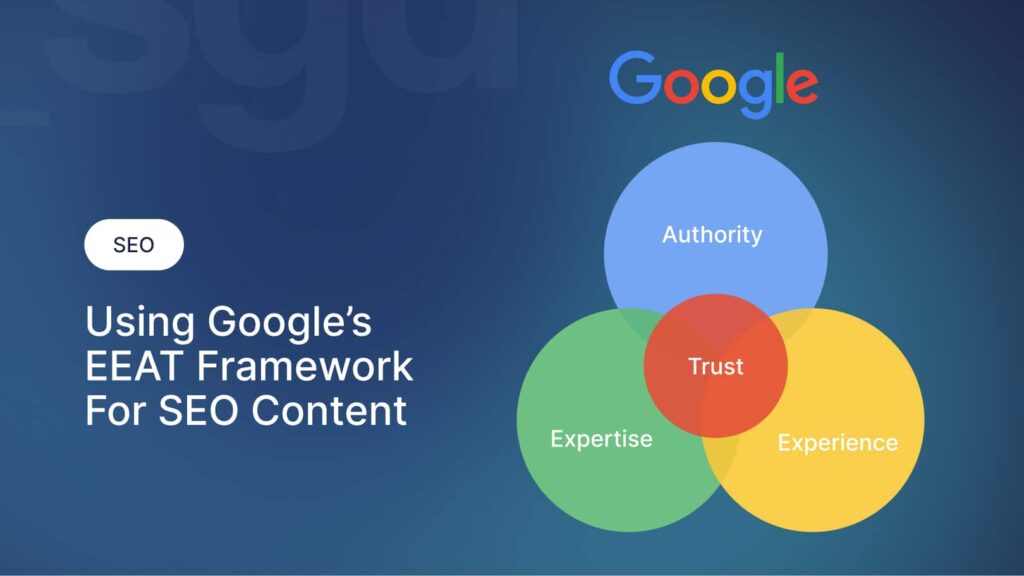
Generic writing blends into the background. Voice creates distinction. Even informational pieces benefit from subtle personality, conversational phrasing, or occasional unfinished thoughts that feel human.
The shift toward people-first content writing reflects this need for authenticity. Readers notice when content sounds manufactured. They gravitate toward pages that feel like they were written by someone who understands the topic.
Trust also comes from specificity. Mention realistic scenarios, practical constraints, or common mistakes. These details signal real-world awareness rather than copied advice.
Tone doesn’t have to be dramatic. Calm confidence often works best, especially for professional audiences.
Editing For Readability And Search
Editing is where strong content becomes exceptional. A good draft answers questions; a strong edit removes friction. Shorten overly long sentences. Clarify vague statements. Break dense paragraphs when needed.
A practical SEO content blueprint often includes final checks for flow, clarity, and keyword distribution. Readability tools help, but human judgment matters more.
Editing also protects conversion. If readers struggle to follow ideas, they rarely take action. Smooth transitions and consistent tone keep momentum alive.
Sometimes the most valuable edit is simply removing unnecessary sections. Less noise, more value.
Working With Editors AndSEOs
Collaboration is where many projects slow down. Writers hand off drafts without context, editors request revisions blindly, and SEO teams adjust after publication. Avoiding this requires clear workflows.
A shared SEO content framework helps align expectations. Writers can include intent notes, keyword placement rationale, and conversion goals within drafts. Editors then understand why certain sections exist.
Handoff templates also reduce friction for agencies handling multiple clients. Clear communication saves time and prevents endless revision loops.
When writers and SEO specialists collaborate early, final content feels cohesive instead of patched together.
Measuring Content Success Beyond Rankings
Rankings matter, but they’re only one part of performance. Engagement metrics reveal whether readers actually find value. Time on page, scroll depth, and conversion actions provide deeper insight.
Strong content writing best practices include tracking outcomes tied to business goals. Did the article generate leads? Did readers move toward service pages? These signals matter more than position alone.
Content performance often unfolds gradually. A page may rank modestly yet generate consistent inquiries because it addresses real concerns clearly. That’s success, even without top rankings.
Ultimately, great content supports the entire customer journey, not just search visibility.
Content Brief Template
A simple, brief structure can align writers and SEO teams quickly. Include target audience description, primary intent, key questions readers ask, desired outcomes, tone guidance, and internal link suggestions. Add notes about conversion goals and supporting resources. Keep it practical, not overwhelming. Clarity at this stage often prevents heavy edits later.
Sample Hooked Intro
Imagine landing on a page that immediately answers your question instead of making you scroll through background information. That relief — the feeling of being understood quickly — is what strong SEO content aims to deliver. Hooks like this combine clarity with curiosity, inviting readers deeper while confirming relevance instantly.
Micro-Story Examples
A freelancer rewrote a dense technical article using shorter paragraphs and real examples. Rankings stayed similar, but lead inquiries increased because readers finally understood the offer. Another agency added one clear summary section at the top of articles and saw engagement improve noticeably. Small shifts. Big outcomes.
Conclusion
SEO content that ranks and converts isn’t created by choosing between writing quality and optimization. It comes from blending strategy with human clarity from the start. Focus on intent, deliver value quickly, and maintain a voice readers trust. If you want consistency across projects, build a reusable content brief template that your team can adapt for every assignment. Strong systems make strong writing repeatable.

FAQs
What makes SEO content different from regular content writing?
SEO content combines clear writing with search intent alignment. It focuses on helping readers while structuring information so search engines understand relevance, improving both visibility and engagement.
How long should SEO content be to rank well?
Length depends on intent and competition. Comprehensive content often performs better, but clarity matters more than word count. Answering the user’s question fully is the real goal.
Can good writing alone improve rankings?
Good writing helps engagement, but structure and optimization still matter. Combining readability with clear headings and keyword alignment creates stronger SEO results over time.
How do writers balance creativity with SEO requirements?
Start with intent and structure, then write naturally within that framework. Creativity thrives when boundaries clarify purpose rather than restrict expression.
Is AI-generated content bad for SEO?
AI content isn’t automatically harmful, but low-quality or generic outputs can struggle. Human editing, originality, and practical insight remain essential for strong performance.
What metric matters most for content success?
Conversions and engagement often matter more than rankings alone. Content that attracts the right audience and drives action delivers real business value.