
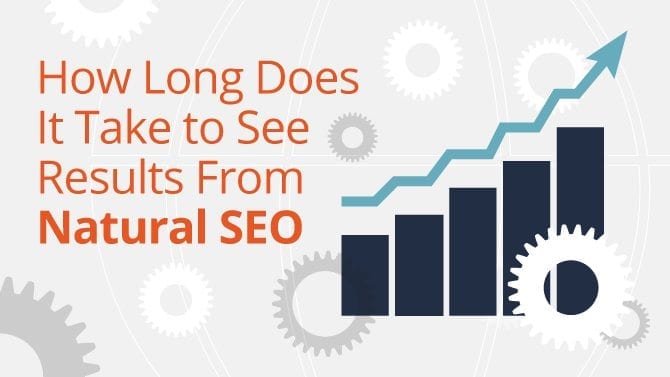
One of the most common frustrations in digital marketing isn’t a technical issue or a Google update. It’s an expectation mismatch. Business owners launch SEO campaigns hoping for fast rankings, steady leads within weeks, and visible improvement almost immediately. When that doesn’t happen, frustration builds. Strategies get questioned. Teams lose confidence. Sometimes campaigns are paused right before momentum would have started to appear. It’s a pattern seen over and over.
The truth is simple, though often uncomfortable: SEO is not an instant-growth channel. It’s a compounding system that rewards consistency, patience, and incremental improvements over time. Understanding how long SEO takes is less about counting months and more about understanding the stages of growth that happen behind the scenes before rankings become visible.
Part of the confusion comes from how SEO is discussed online. Case studies often highlight dramatic growth without showing the slow early months. Agencies sometimes overpromise to win clients. Business owners compare their timeline to competitors without realizing that those competitors may have been investing for years. The result is unrealistic expectations, and those expectations become the biggest barrier to long-term success.
Search engines need time to crawl, evaluate, and trust websites.
Behavioral signals accumulate gradually. Authority builds through consistent activity rather than sudden bursts. This means early progress may look small — a few impressions here, a ranking movement there — yet those shifts often indicate that the foundation is working.
This guide explains realistic SEO timelines in 2026 based on how campaigns actually develop. You’ll learn what happens during each stage, why progress can feel slow at first, how local and national campaigns differ, and what metrics matter before page-one rankings appear. Most importantly, you’ll understand how to measure success through milestones rather than shortcuts. Because SEO doesn’t usually fail due to poor strategy, it fails because expectations run faster than reality.
Let’s start with the biggest question business owners ask: what does a realistic timeline actually look like today?
The Truth About SEO Timelines In 2026
A realistic SEO timeline 2026 discussion begins with one fact: search engines have become more cautious about trust. New or newly optimized sites rarely jump to top positions instantly because algorithms evaluate consistency over time.
In most industries, rankings improve gradually rather than suddenly. Pages may appear around positions 40 or 50 before moving upward slowly. This process reflects testing. Search engines observe how users interact, whether content satisfies intent, and whether the site remains stable.
Many business owners expect results within weeks because paid advertising works that way. SEO works differently. It resembles reputation building more than advertising — trust accumulates. The SEO results timeframe, therefore, depends on competition, authority, and content quality, not simply effort.
Understanding this truth early prevents disappointment. Growth often starts invisibly, with impressions increasing before traffic follows. Patience isn’t passive; it’s part of the strategy.
Month 0–3 Technical Setup And Indexing Phase
The first phase of any campaign focuses on infrastructure. Technical improvements, content audits, and indexing setup dominate the early months. This is often where why SEO is slow becomes most apparent, because visible traffic changes may be minimal.
During this stage, search engines crawl updated pages, process site structure, and evaluate new content. Fixing technical issues such as slow pages or broken links lays essential groundwork, even if results aren’t immediate.
For a new website SEO time scenario, this phase can feel especially quiet. The site is building initial trust, and search engines may test only limited queries. Small ranking appearances are positive signals, even if traffic remains modest.
Think of this phase as construction. The building isn’t open yet, but the foundation determines future stability.
Month 3–6 Early Rankings And Behavioral Signals
Around months three to six, early movement often appears. Pages begin ranking for long-tail queries, impressions increase, and occasional traffic spikes may occur. These are early SEO growth stages showing that search engines are testing visibility.
Behavioral signals become important here. Click-through rates, time on page, and engagement influence how quickly rankings improve. If users respond well, pages may climb steadily.
This period can be emotionally confusing. Some keywords rise quickly while others stagnate. Fluctuations are normal. Search engines are experimenting with placement to evaluate user reactions.
Businesses that stay consistent during this stage often see compounding growth later. Those who panic and change direction frequently may reset progress unknowingly.
Month 6–12 Authority Growth And Traffic Expansion
By months six to twelve, authority signals typically strengthen. Content accumulates, internal linking improves structure, and search engines begin treating the site as more established. This phase often produces noticeable traffic growth.
The ranking time Google requires for competitive terms generally aligns with this stage. Higher-value keywords may start approaching page one as trust increases.
This is also when SEO expectations begin to align with reality. Businesses that tracked early indicators understand the progress, while those focused only on top rankings may be surprised by how much groundwork happened first.
Traffic growth often feels gradual rather than explosive. Yet steady monthly increases create meaningful business impact over time.
Factors That Accelerate Or Slow SEO Progress
Not all campaigns move at the same speed. Competition level, industry authority, website history, and content consistency all influence the SEO progress timeline.
Established domains with existing trust often rank faster than new sites. Highly competitive industries require longer timelines because stronger competitors already occupy top positions. Technical performance and content quality also play major roles.
Consistency matters more than intensity. Publishing high-quality content regularly tends to outperform short bursts of activity followed by inactivity.
External factors, such as algorithm updates, can temporarily slow progress, too. These fluctuations are normal and part of long-term SEO growth.
Local Vs National Vs Global SEO Timeline Differences
Timelines vary significantly depending on the target scope. A local SEO timeline often moves faster because competition is limited geographically. Local service businesses may see meaningful movement within a few months if profiles and pages are optimized well.
National campaigns usually require longer periods due to broader competition and higher authority requirements. Global SEO efforts add complexity through localization, language targeting, and technical considerations.
Understanding scope helps set realistic expectations. Comparing a local campaign to a national brand can lead to false assumptions about performance speed.
Choose benchmarks that match your market, not generic averages.
Example Timeline From A Realistic Campaign
Consider a mid-sized service company launching SEO with moderate competition. Months one to three focus on technical cleanup and foundational content. Rankings remain low, but impressions appear. By month five, several pages reach positions 20–30, generating small but steady traffic.
Around month eight, one key service page reaches page one for a secondary keyword. Leads begin increasing gradually. By month twelve, multiple pages rank consistently, and organic traffic becomes a meaningful acquisition channel.
This type of timeline reflects typical SEO growth stages, not exceptional cases. The progression feels slow early, but accelerates once authority builds.
The lesson is simple: progress often looks invisible until momentum crosses a threshold.

Measuring Progress Before Page One Rankings Appear
Waiting for top rankings as the only success metric creates unnecessary stress. Early indicators show whether the strategy is working long before major visibility arrives.
Track impressions, keyword movement, and indexing coverage. Improvements in these areas signal healthy growth. Even small upward shifts in average position indicate a positive trajectory.
Engagement metrics matter too. If users stay longer or explore multiple pages, search engines interpret that positively. These indicators help manage SEO expectations realistically.
Celebrating small milestones keeps teams motivated and focused during slower phases.
Common Mistakes That Reset SEO Momentum
One of the biggest risks in SEO is overreacting too early. Frequent redesigns, major content rewrites, or changing strategies every few months can interrupt progress.
Another common mistake involves abandoning campaigns before authority builds. Businesses sometimes stop investing just as results begin appearing.
Ignoring technical maintenance can also stall growth. Broken links or slow pages quietly reduce performance over time.
Consistency is the antidote. Avoid drastic changes unless data clearly supports them. SEO rewards stable improvement more than constant experimentation.
Setting Proper Expectations With Clients Or Teams
Clear communication prevents frustration. Explain timelines early, focusing on stages rather than promises. Share milestones like indexing growth or ranking improvements to demonstrate progress.
Teams should understand that SEO resembles a compounding investment. Early months create foundations that support later gains. Transparent reporting helps maintain trust during slower periods.
Setting realistic goals doesn’t reduce ambition — it improves resilience. Campaigns succeed when expectations match reality.
Organizations that view SEO as a long-term growth channel typically see better outcomes than those seeking immediate wins.
Conclusion
SEO takes time because trust, authority, and relevance build gradually. Instead of focusing only on page-one rankings, measure progress through milestones like impressions, keyword movement, and engagement improvements. Patience paired with consistent action creates momentum that compounds over months and years. Businesses that align expectations with realistic timelines are far more likely to see lasting success. Treat SEO as a long-term investment, and evaluate progress by stages rather than short-term fluctuations.
FAQs
How long does SEO usually take to show results?
Most campaigns show early movement within three to six months, while stronger ranking improvements often appear between six and twelve months, depending on competition and strategy.
Why is SEO slower than paid advertising?
SEO requires search engines to evaluate trust, relevance, and user behavior over time. Paid ads deliver immediate visibility because placement is purchased rather than earned.
Can new websites rank quickly with SEO?
New sites can gain visibility for low-competition terms early, but building authority for competitive keywords typically takes longer due to trust development.
Does local SEO work faster than national SEO?
Often yes. Local competition is usually smaller, allowing businesses to gain rankings faster when profiles and pages are optimized properly.
What metrics show SEO progress before rankings improve?
Impressions, crawling activity, keyword movement, and engagement metrics like time on page indicate healthy momentum before top rankings appear.
What causes SEO timelines to reset or slow down?
Frequent strategy changes, technical mistakes, inconsistent publishing, or major site changes without planning can disrupt progress and delay growth.