
Knowledge is one of the most valuable assets that a business has, but recent studies have shown it is frequently under utilized. Important insights become buried in emails, saved on personal drives, or disappear when employees leave. Without a proper system to leverage this knowledge, organizations waste time figuring out things they have already learned and teams repeat mistakes instead of building on what they have learned. Clearly, companies need digital solutions in place that don’t just store knowledge, but also facilitate sharing and discovery. Project management tools can transfer information into knowledge that anyone can utilize, support decision-making, enable collaboration, and is suitable for long-term development and growth.
Lark Docs: making knowledge living and collaborative
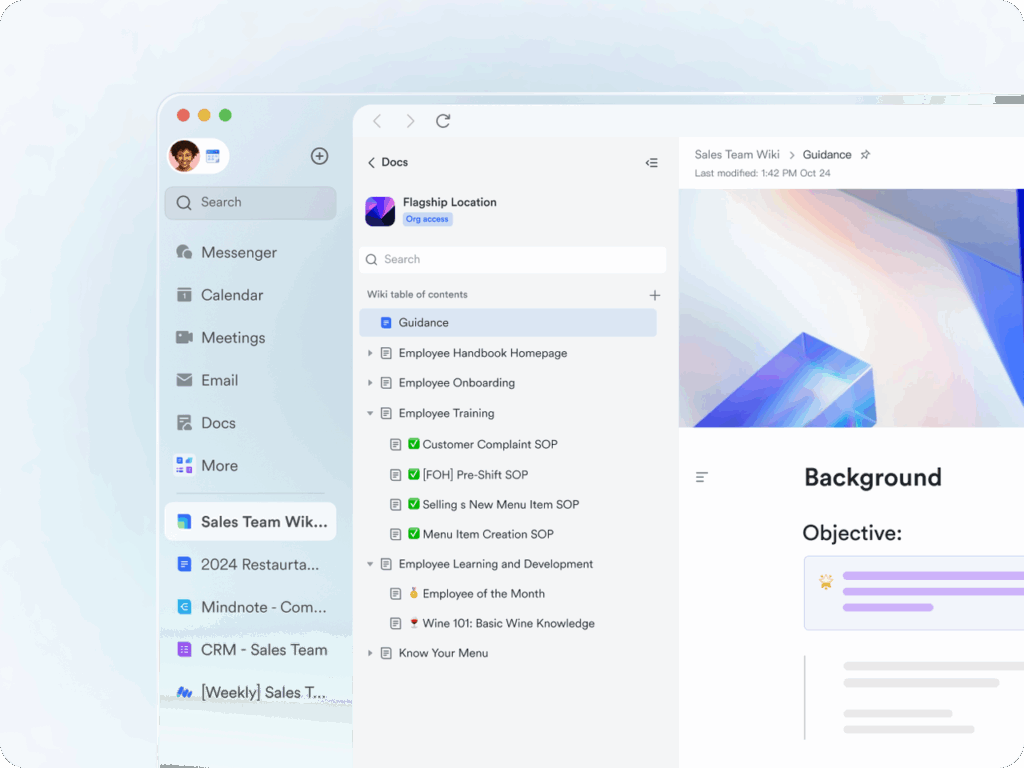
Documentation should be the foundation of corporate knowledge, but information can quickly become stale, or difficult to find, in static files. Lark Docs changes this scenario with living documents that are co-edited in real-time, and therefore always up to date. Teams can work simultaneously on strategies, reports, or guidelines, minus the version chaos, while embedded material in the document ensures that their process is rooted in contextual real time information.
- Real-time co-editing: Many employees can co-edit at the same time, which prevents duplication of recollections, and allows documents to evolve quickly, based on team input.
- History: Every edit is tracked, and teams can see how knowledge evolved or be able to return to a prior idea.
- Inline comments: Feedback happens in context, so we can keep comments about the section we are relining together.
- Embedded information: Sheets or dashboards can quickly be embedded into the channels, ensuring decisions are made with live information.
- Searchable repository: Docs are always organized centrally, so that knowledge is easily found across teams and projects.
Lark Wiki: building a structured knowledge base
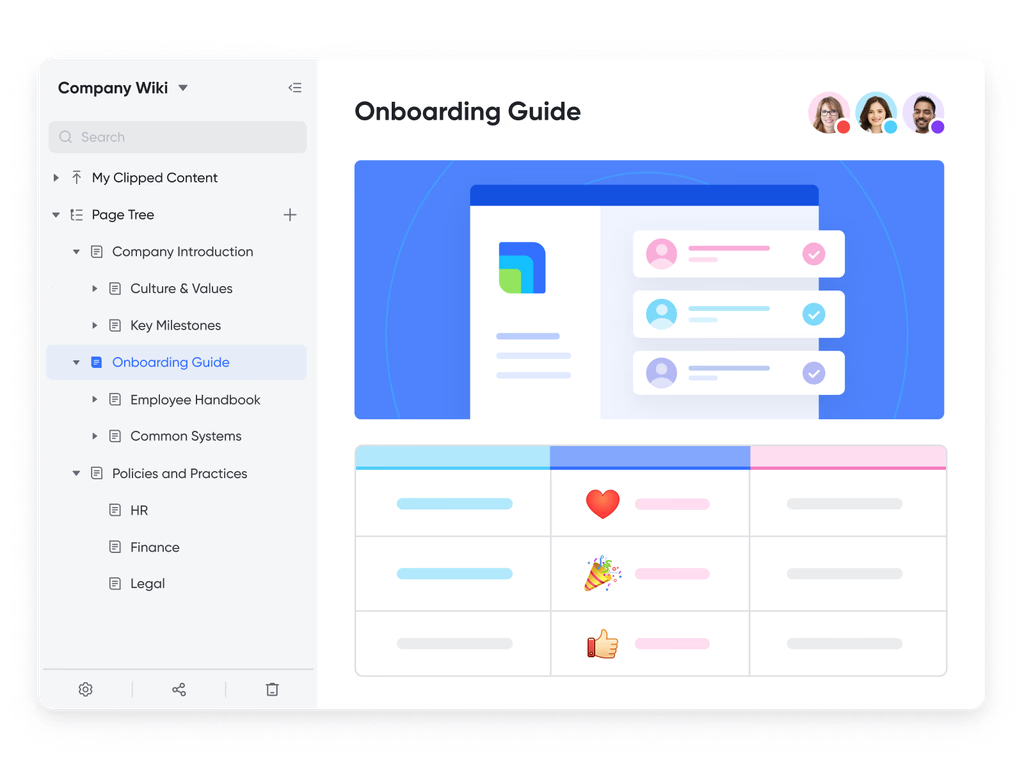
While Docs can support collaboration, organizations are looking for a place that provides a structured environment where information can be organized and preserved. Lark Wiki acts as the company’s knowledge library. It houses things like policies, onboarding materials and best practice documents, thus giving employees continuous access to the information they need.
- Centralized knowledge hub: Wiki centralizes and consolidates a variety of scattered documents into a singular reference point, allowing for less time wasted in searching for this information.
- Categorization and hierarchies: Information is organized by topic or department, allowing for natural and scalable navigation.
- Permission settings: Leaders can restrict who can edit or view sensitive parts of the wiki and keep knowledge accountable and safe!
- Continuous updates: Content is updated in real-time and people do not have to fear spreading out-of-date instructions.
- Cross-linking: Wiki links directly to Docs and/or Base and attaches structured knowledge to all the dynamic elements of work.
Lark Base: connecting data to company knowledge
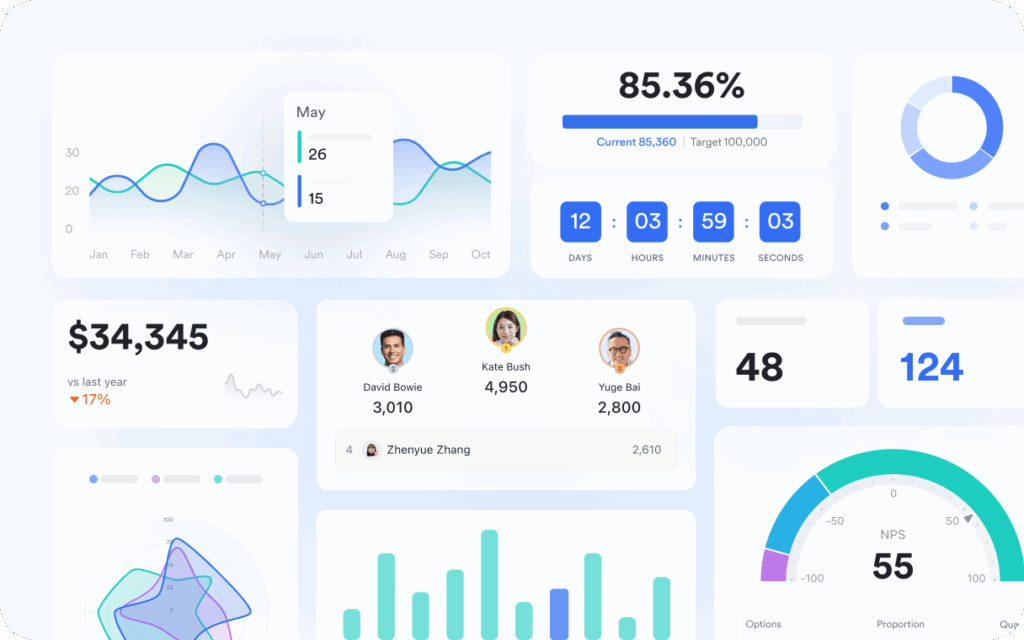
Knowledge doesn’t only live in documents—it’s also embedded in the data behind projects, products, and customer relationships. Lark Base provides a structured environment where information connects directly to execution, enabling teams to build databases that track milestones, accountability, and customer pipelines. By these means, people can quickly construct a centralized database or an automated CRM app, ensuring nothing gets lost between planning and delivery.
- Custom databases: Teams can create records to capture only the knowledge they want, whether that is project timelines, client information, etc.
- Dashboards: Leaders can see how the data translates into project outcomes, bringing knowledge together and transforming it into strategic knowledge.
- Automations: Fast tracked updates and notifications remove human error in tracking manually.
- Dependencies: Base provides visibility into how one task or project affects another to help the greater understanding of whole.
- Cross-departmental access: No longer is knowledge siloed, rather, everyone works for the same trusted system.
Lark Minutes: capturing meeting knowledge automatically
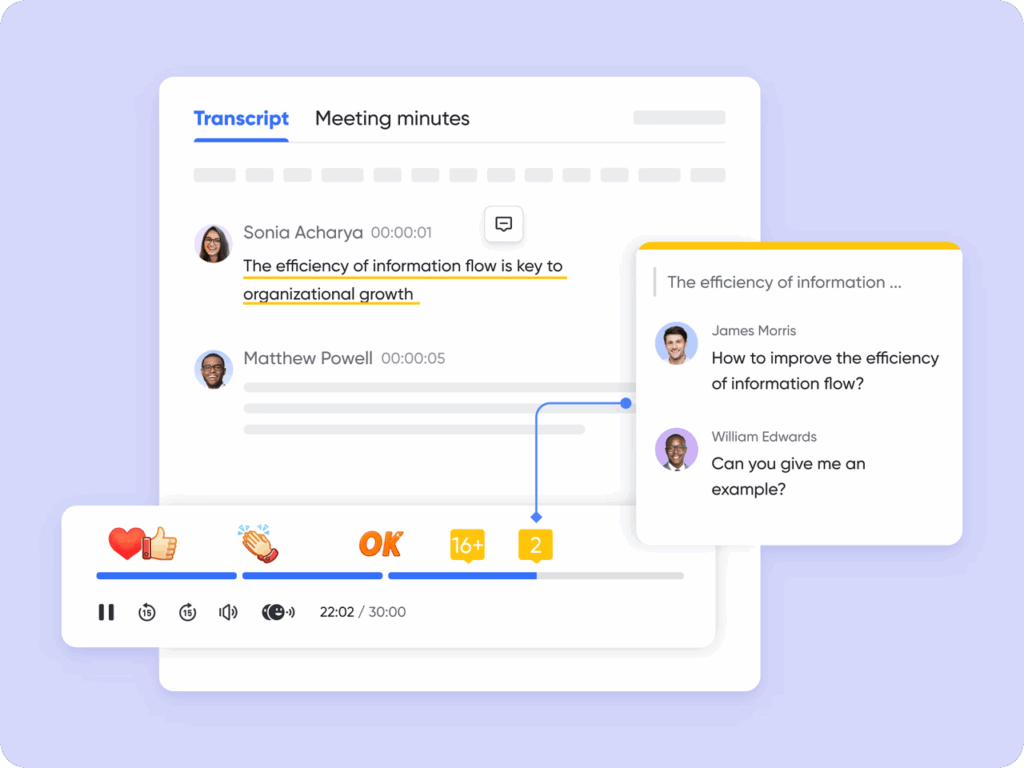
Meeting is the place where decisions are made, but if that collective knowledge isn’t recorded, it is often lost or forgotten. Lark Minutes makes it easy to document and share conversations without additional effort. By recording, transcribing, and summarizing all of your meetings or conversations, you will have each meeting documented and part of your organizational knowledge base.
- Transcriptions: Documents every word of the conversation exactly. .
- Action items: Identifies and connects the responsibilities to action items automatically.
- Searchable archives: Your prior meetings are now part of your company’s knowledge, so you should have no need to have the same discussion again.
- Shareable clips: Teams can easily share only the relevant portions of the meeting, so all team members save time and can focus on the task at hand.
Lark Approval: embedding process knowledge into workflows
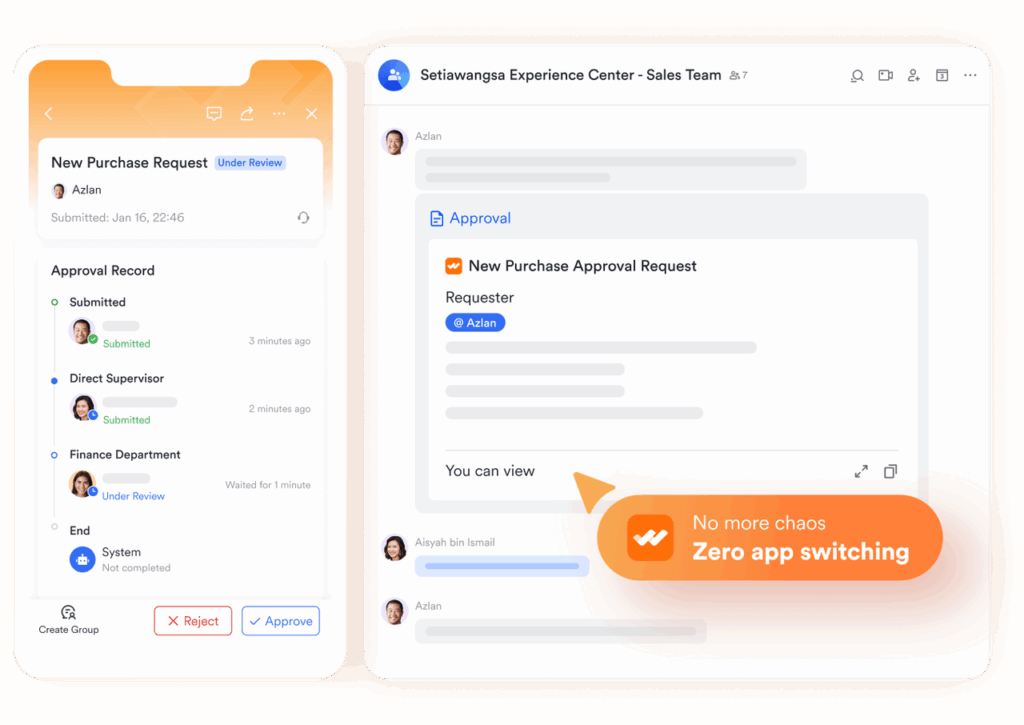
Processes represent a part of organizational knowledge, including how approvals work, who makes what decisions, and what the rules are. Lark Approval captures and enforces this knowledge by standardizing and structuring processes. This way, employees will not rely on who can remember what or a stale playbook, they will submit standardized requests and follow sign-off paths to ensure that decisions are both efficient and accountable. Because Approval operates within an automated workflow, process knowledge is further embedded into the routine of an organization.
- Standardized forms: Processes are captured in templates to limit errors and inconsistencies.
- Automated routing: Requests seamlessly moved on to the next stakeholders with no effort by either party-reducing processing time.
- Compliance tracking: Every approval is logged, leaving a reliable knowledge trail for acknowledging compliance.
- Messenger integration: Notifications surface in real time when they happen – process knowledge is clearly visible in the space where employees work.
- Decisions documented: Approval histories become a part of organizational knowledge, documenting how and why certain decisions were made.
Lark Messenger: sharing knowledge in the flow of work
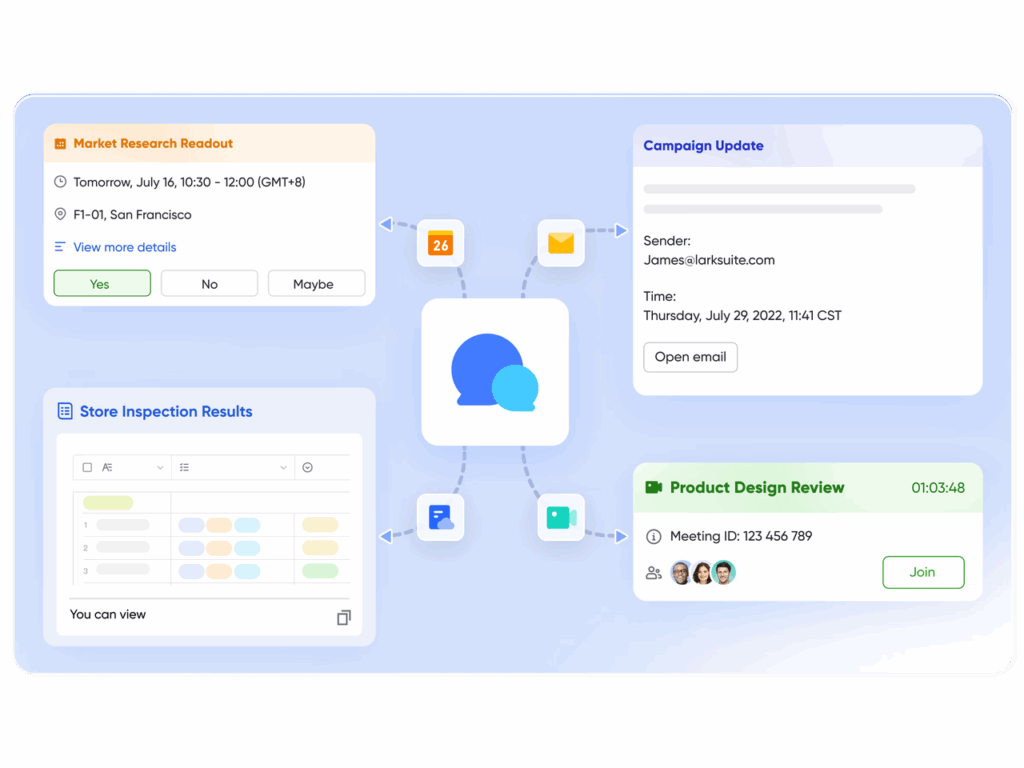
Knowledge sharing often fails when employees are required to exit the workflow they are used to. Lark Messenger makes sure that the information that needs to be communicated is communicated in the area where users are already collaborating. Rather than having chat conversations that are siloed from the task, Docs, or approvals, Messenger coordinates the conversations of knowledge within the tasks, Docs, or approvals, making knowledge contextual and actionable:
- Threaded discussions: Group conversations by topic, making it easy to trace knowledge.
- Pinned messages: Keeping important information pinned and visible compared to the equivalent chat where the user often has to scroll back in time to find information.
- Buzz notifications: Instantly notify the appropriate people of urgent updates so that there is no waiting time to communicate.
- Context links: Keep the conversations in Messenger linked to records that the team is using in Base or Docs, keeping knowledge together.
- Cross-team channels: Team members can share updates across multiple departments, breaking silos.
Lark Calendar: aligning knowledge with time management
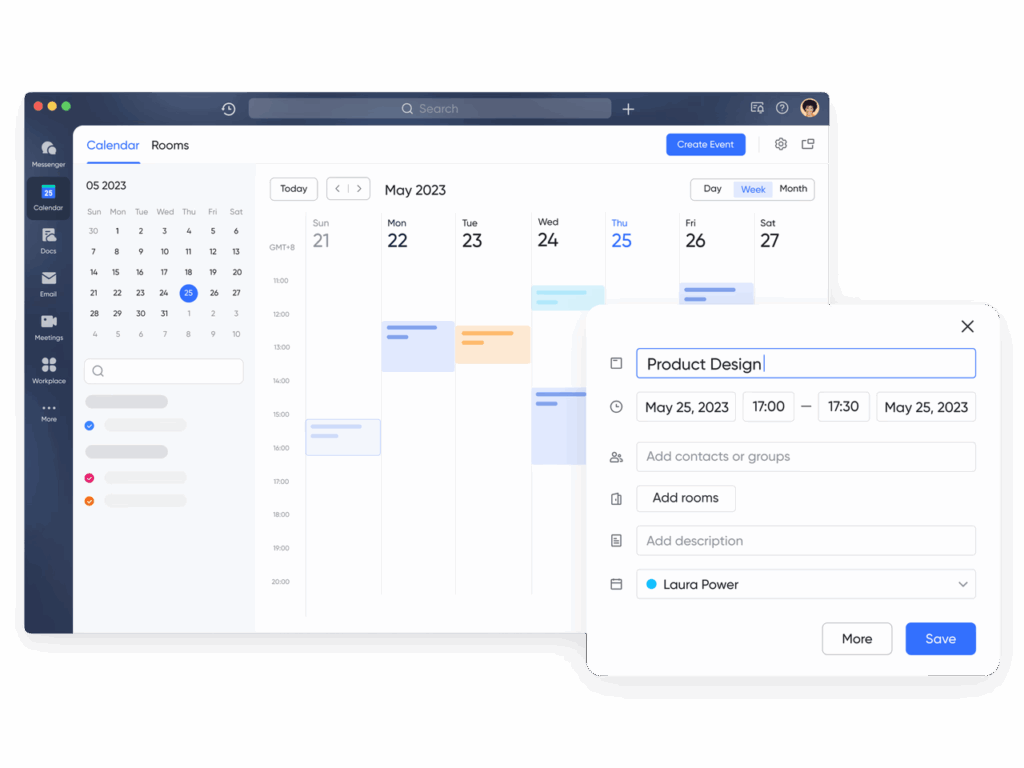
Schedules are also organizational knowledge when meetings take place, when deadlines occur, and how resources are coordinated. The Lark Calendar makes this knowledge visible and sharable across departments, which reduces conflict and improves alignment.
- Shared views: Teams can see availability across regions, preventing scheduling conflicts.
- Linked events: Calendar entries can include Docs or Base records, so everyone is always able to access knowledge during the meeting.
- Reminders: Smart notifications make sure employees arrive in the right context.
- Recurring rhythms: Departments can align around regular sessions, creating opportunities to consistently share knowledge.
- Cross-time zone support: All teams stay connected no matter where they are.
Conclusion
Company knowledge has no value unless it is easily accessible, reliable, and shared. Digital work platforms provide the required functionality to embed knowledge within the daily flow of workflows and processes instead of having knowledge scattered or siloed. Lark provides building blocks for a modern work knowledge management system. Docs turn information into dynamic resources, Wiki organizes it for long-term access, Base links it to customer and project collaborative data, Minutes captures discussions, Approval links to our Process knowledge while embedded in workflows, Messenger shares it in the flow of collaboration and Calendar tries to put it all in context with our time.
When organizations are able to leverage these systems, there is a noticeable drop in wasted time re-discovering obsolete information with a shift on leveraging knowledge as a differentiator and a competitive advantage. The end result is an ecosystem where information flows freely, employees make better decisions, and growth builds on existing and accrued expertise. In this digital world, knowledge is power and platforms such as Lark make sure it never gets lost.