
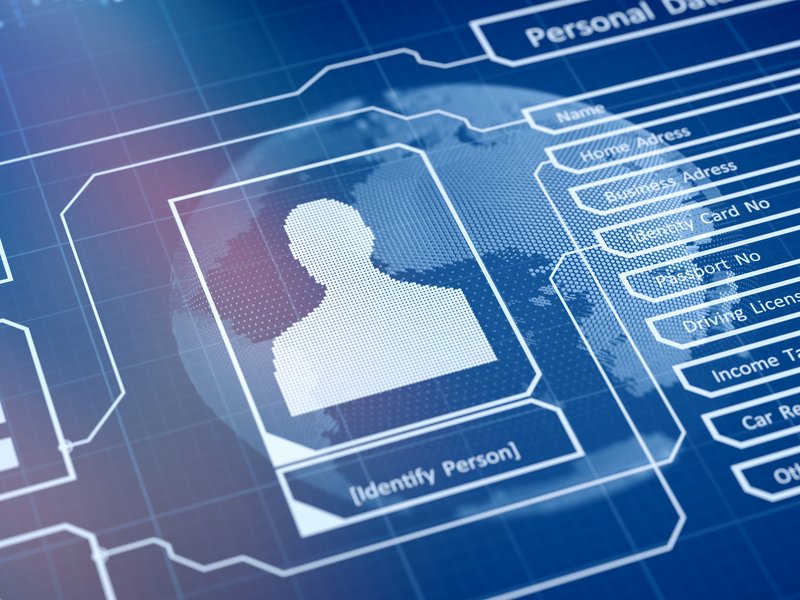
In the digital era, where online interactions and transactions dominate, businesses face the growing responsibility of verifying the age of their users. From protecting minors from inappropriate content to complying with legal regulations, age verification system have become essential tools for businesses operating in age-restricted sectors. These systems not only help companies remain compliant with local and international laws but also enhance user trust by fostering a safer and more responsible online environment.
With increasing scrutiny from regulators, consumer advocacy groups, and users themselves, businesses can no longer afford to rely on outdated or superficial age checks. Effective age verification solutions ensure that only eligible users can access certain products, services, or content, reducing liability and preserving the integrity of the platform.
Understanding Age Verification Systems
Age verification systems are technological solutions designed to confirm the age or date of birth of users interacting with digital platforms. These systems are commonly used by industries offering products or services that are legally restricted to certain age groups, such as alcohol, tobacco, online gaming, gambling, adult content, and even financial services.
The methods used for age verification can range from simple self-declarations to advanced systems that utilize government-issued ID scanning, facial recognition, biometric checks, and database cross-referencing. The effectiveness of the system largely depends on the level of assurance required and the legal requirements of the jurisdiction in which the business operates.
Why Age Verification Matters
There are several key reasons businesses must adopt reliable age verification systems:
- Legal Compliance
Governments across the world impose strict regulations on businesses that provide age-restricted content or services. Failing to implement proper age checks can result in heavy fines, penalties, loss of licenses, and reputational damage. Age verification ensures businesses remain compliant with these laws and avoid legal consequences. - Protection of Minors
A primary purpose of age verification is to protect minors from exposure to potentially harmful content or products. Whether it’s preventing underage gambling or shielding children from explicit material, these systems play a critical role in creating a safer internet experience for younger users. - User Trust and Brand Reputation
Users are more likely to trust and engage with platforms that demonstrate responsibility and accountability. By implementing robust age verification systems, businesses signal their commitment to user safety and legal compliance. This, in turn, strengthens brand reputation and builds long-term customer loyalty. - Reducing Fraud and Abuse
Age verification systems can also serve as an additional layer of fraud prevention. Verifying a user’s identity and age helps deter bad actors who may attempt to use fake accounts, engage in prohibited activities, or exploit platform vulnerabilities.
Technologies Behind Age Verification
Modern age verification solutions incorporate a mix of technologies to provide accurate and secure verification processes. These include: - Document Verification
This involves scanning and analyzing a user’s government-issued ID, such as a passport, driver’s license, or national identity card. Optical Character Recognition (OCR) extracts the necessary information, including date of birth, and compares it with the user’s input. Document authenticity is also checked to prevent forgery. - Biometric Verification
Facial recognition technology is often used in tandem with document verification. A user is asked to take a selfie, which is then compared to the photo on their ID to ensure the person presenting the document is its rightful owner. Liveness detection is used to ensure the image is of a live person and not a static photo or video replay. - Database Checks
Age can be verified by cross-referencing public records, financial databases, or telecom data to confirm the age and identity of users. This method can be effective in countries where national identity data is readily accessible and regularly updated. - AI and Machine Learning
Artificial Intelligence (AI) plays a crucial role in streamlining age verification by analyzing patterns, detecting anomalies, and learning from historical data. AI-driven systems can improve over time, adapting to new fraud techniques and improving accuracy in verifying users. - Behavioral Biometrics
Some systems analyze user behavior such as typing speed, mouse movements, and interaction patterns to assess whether a user’s behavior aligns with their claimed age. While not widely adopted as a standalone method, it can complement other verification techniques.
Applications Across Industries
Age verification systems are used across a variety of sectors. Each industry faces unique challenges and must adhere to specific regulatory requirements. Below are some key sectors that rely heavily on age verification:
E-commerce and Retail
Online retailers selling age-restricted products such as alcohol, tobacco, vape products, or knives are required to verify the age of buyers before completing transactions. Age verification ensures that minors cannot purchase prohibited items and helps retailers comply with consumer protection laws.
Online Gaming and Gambling
Age restrictions are strictly enforced in the online gaming and gambling industries. Operators must verify that users are legally old enough to participate in these activities. Regulatory bodies often conduct audits and impose heavy fines for non-compliance. Effective age verification reduces underage gambling and enhances user accountability.
Social Media and Online Communities
Many social media platforms require users to be at least 13 years old, while others have higher age limits depending on the type of content shared. Verifying user age helps platforms provide age-appropriate experiences, prevent exploitation, and enforce content moderation policies more effectively.
Adult Content Providers
Adult entertainment sites face high legal and ethical responsibilities to prevent access by underage users. Implementing advanced age verification systems helps these platforms avoid legal action and protect minors from inappropriate exposure.
Financial Services and Fintech
Certain financial products, such as loans, investment accounts, or cryptocurrency trading platforms, require users to be of a legal age. Age verification helps financial institutions ensure compliance with Know Your Customer (KYC) regulations and prevent financial exploitation of minors.
Education and Online Learning
Some educational platforms may offer age-specific content or services. Age verification ensures that children only access suitable materials and interact in safe learning environments.
Challenges in Age Verification
While age verification offers significant benefits, it also presents several challenges that businesses must address:
Privacy Concerns
Users may be hesitant to share sensitive information like ID documents or biometric data. Businesses must ensure data is collected with informed consent and protected according to data protection laws, such as the General Data Protection Regulation (GDPR).
User Experience
A common concern with verification systems is that they can introduce friction into the user journey. If the process is slow or complicated, users may abandon the platform altogether. Striking the right balance between security and usability is key.
Global Regulation Variability
Age restrictions vary by country and region. For instance, the legal drinking age might be 18 in one country and 21 in another. Businesses operating globally must adapt their verification systems to meet each market’s regulatory requirements.
Fake IDs and Deepfakes
As fraudsters become more sophisticated, the risk of fake documents and deepfakes increases. Systems must continuously evolve and integrate more advanced detection capabilities to counter emerging threats.
Lack of Standardization
There is currently no global standard for age verification. Different industries and jurisdictions may adopt different practices, leading to inconsistency and confusion. Over time, industry collaboration and regulatory guidance may help create more uniform standards.
Building Trust Through Transparency and Responsibility
For age verification systems to be effective, businesses must build trust with their users. This can be achieved through:
” Clear communication about why age verification is required
” Transparent data handling policies
” Providing users with control over their personal information
” Using secure, accredited technologies that protect user data
When users understand the purpose and benefit of age checks, and when the process is streamlined and respectful of privacy, they are more likely to complete the verification and remain loyal customers.
Future Trends in Age Verification
As digital interactions continue to evolve, so too will the technologies behind age verification. Future developments may include:
” Decentralized identity solutions, where users control their identity data and share it securely without revealing unnecessary details
” Blockchain-based verification systems, offering tamper-proof credentials and records
” Increased use of AI-powered fraud detection, capable of identifying fake IDs, deepfakes, and synthetic identities more effectively
” Integration with digital wallets and mobile IDs, enabling seamless verification without physical documents
These innovations aim to create more secure, privacy-respecting, and scalable systems that benefit both businesses and users.
Conclusion
Age verification systems are no longer optional for businesses operating in age-restricted industries-they are a necessity. These systems help businesses remain compliant with regulations, protect minors from harm, reduce fraud, and build user trust. As technology advances, age verification methods will become more seamless, intelligent, and user-friendly, aligning security with convenience.
For businesses, investing in robust age verification systems is not just about avoiding penalties; it is about demonstrating responsibility, earning customer confidence, and creating a safer digital environment for all. In a world where trust is currency, age verification is one of the most valuable tools a business can deploy.