
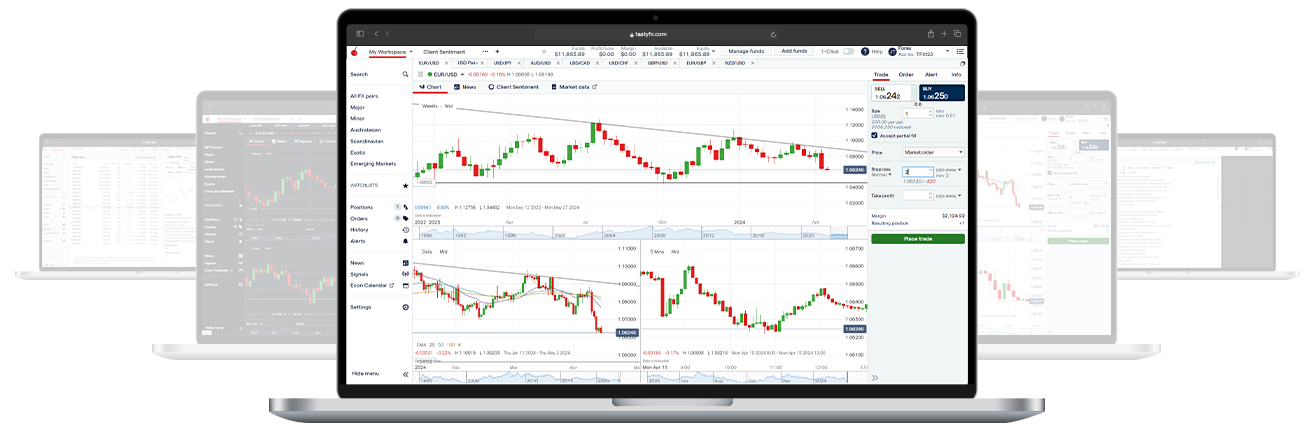
The foreign exchange market, commonly known as forex, is the largest financial market in the world, with trillions of dollars traded daily. Its dynamic nature offers immense opportunities for profit but also poses significant risks due to rapid price fluctuations. In this environment, the choice of a reliable and feature-rich trading platform is crucial for traders seeking to maximize their potential while managing risk. Advanced trading platforms for forex not only facilitate seamless order execution but also provide sophisticated tools for market analysis, helping traders make informed decisions and implement strategies effectively.
This article explores the essential features of modern forex trading platforms, highlighting how advanced analysis tools, efficient order management, and integrated risk control support traders in achieving consistent performance.
The Role of Trading Platforms in Forex
A trading platform serves as the primary interface between a trader and the financial markets. Its performance can significantly influence trading results, as it determines the speed of execution, accuracy of data, and accessibility of analytical tools. In volatile markets, even minor delays or inaccuracies can impact profitability.
Modern trading platforms go beyond basic trade execution by offering a comprehensive suite of features, including real-time data, technical indicators, charting tools, automated trading capabilities, and risk management options. These functionalities provide traders with the resources needed to analyze market trends, make timely decisions, and execute trades efficiently.
Real-Time Market Data
Access to real-time market data is fundamental for successful forex trading. Advanced platforms provide live quotes for multiple currency pairs, allowing traders to monitor fluctuations and identify trading opportunities. Real-time data ensures that traders can respond quickly to changing conditions, whether for short-term scalping, swing trading, or longer-term positions.
Platforms often include interactive charts that can be customized according to the trader’s preferences. Timeframes, chart types, and color schemes can be adjusted to improve clarity and enhance analysis. The ability to open multiple charts simultaneously allows traders to monitor several instruments, supporting multi-market strategies and broader market awareness.
Advanced Technical Analysis
Technical analysis is a core component of forex trading. Advanced platforms offer an extensive library of built-in indicators such as moving averages, Bollinger Bands, Relative Strength Index (RSI), MACD, and stochastic oscillators. These indicators assist traders in identifying trends, gauging momentum, measuring volatility, and determining potential entry and exit points.
In addition to standard tools, many platforms allow the integration of custom indicators. Traders can develop unique strategies tailored to their trading style and objectives. Graphical analysis tools, including trend lines, support and resistance levels, and Fibonacci retracements, provide visual guidance, making it easier to interpret complex market movements and anticipate price behavior.
Automated Trading and Expert Advisors
Automation has revolutionized forex trading by enabling traders to execute strategies without constant manual intervention. Many advanced platforms support automated trading through Expert Advisors (EAs) or algorithmic scripts. These tools can monitor the market and execute trades according to predefined rules, eliminating emotional bias and ensuring consistent strategy application.
Backtesting capabilities allow traders to test EAs against historical market data. By evaluating performance over various market conditions, traders can refine strategies and optimize their approach before committing capital in live trading. Automation enhances efficiency and allows traders to take advantage of opportunities even when they are away from their primary trading setup.
Efficient Order Management
Effective order management is crucial for controlling risk and maximizing returns. Advanced platforms provide multiple order types, including market orders, pending orders, stop orders, and trailing stops. Market orders are executed immediately at current prices, while pending orders allow trades to be placed automatically once specific conditions are met. Stop orders limit potential losses, and trailing stops adjust dynamically to secure profits as the market moves favorably.
Execution modes such as instant execution and market execution offer flexibility, ensuring trades are carried out according to the trader’s strategy and the prevailing market conditions. Real-time monitoring of open positions, account balances, and trade history enhances transparency and supports timely decision-making.
Risk Management Features
Risk management is a critical aspect of successful trading. Advanced platforms provide tools to manage exposure and protect capital, including stop-loss and take-profit orders, margin control, and leverage adjustment. Traders can define acceptable risk levels for individual trades and monitor their overall portfolio risk in real time.
Alerts and notifications are also integral to risk management. Platforms can notify users of price movements, account changes, or emerging trading opportunities, allowing traders to respond promptly and maintain discipline. Proper use of risk management features ensures that losses remain manageable and trading remains sustainable over the long term.
Fundamental Analysis Integration
While technical analysis is essential, understanding the underlying factors driving currency movements is equally important. Advanced trading platforms integrate fundamental analysis tools, including economic calendars, financial news, and market reports. Economic indicators, central bank decisions, and geopolitical events can significantly impact currency prices.
By combining fundamental insights with technical analysis, traders can make more informed decisions. Access to real-time news and events within the trading platform eliminates the need to switch between multiple sources, allowing traders to react efficiently to new information.
Customizable Interface and User Experience
A user-friendly interface is a key feature of advanced trading platforms. Traders benefit from customizable layouts, allowing charts, indicators, and tools to be arranged according to individual preferences. Visual clarity and intuitive navigation improve decision-making and reduce the likelihood of errors during trading.
Platforms often provide the ability to save templates, set default indicators, and configure shortcut menus for commonly used functions. Multiple chart windows can be opened simultaneously, facilitating multi-instrument monitoring and cross-analysis, which is essential for diversified trading strategies.
Mobile Trading Capabilities
In today’s fast-paced environment, mobile trading is essential. Advanced platforms offer mobile versions compatible with smartphones and tablets, allowing traders to monitor markets, execute trades, and manage accounts on the go. Mobile trading maintains core functionalities such as charting, technical indicators, and order execution, providing flexibility without compromising capabilities.
Push notifications and alerts on mobile devices ensure that traders remain informed about market movements and account changes, enabling timely responses regardless of location. Mobile access ensures that trading opportunities are never missed due to physical constraints.
Security and Reliability
Security is a top priority in online trading. Advanced platforms utilize encryption protocols to safeguard data transmitted between the trader and servers, protecting sensitive account information and transaction details. Reliability is equally important, as traders require consistent performance to execute strategies effectively.
Stable platforms capable of handling high trading volumes and sudden market volatility ensure that orders are executed without interruption. Regular updates and technical support enhance platform stability, maintain compatibility with evolving operating systems, and address emerging security threats.
Education and Community Support
Advanced trading platforms often provide resources to support trader education. Tutorials, guides, webinars, and forums help traders improve skills and stay informed about platform features. Online communities allow users to exchange strategies, share insights, and learn from the experiences of others, fostering a collaborative learning environment.
Continuous education and community engagement are essential for adapting to market changes and refining strategies. Platforms that integrate these resources provide additional value, supporting traders in achieving consistent long-term performance.
Conclusion
Modern forex trading requires more than market knowledge—it demands access to advanced tools for analysis, order management, and risk control. Trading platforms equipped with these features empower traders to make informed decisions, respond quickly to market events, and execute strategies efficiently.
Real-time data, comprehensive charting, technical indicators, automated trading options, and robust risk management tools are essential for maintaining competitiveness in the forex market. Platforms that combine these features with intuitive interfaces, mobile accessibility, security, and educational support provide traders with the resources needed to maximize market potential.
By leveraging advanced trading platforms, traders can analyze trends, implement strategies consistently, and manage risk effectively. These platforms serve as the foundation for professional trading, ensuring that traders have the capabilities to navigate the complexities of the forex market and achieve sustained success.