
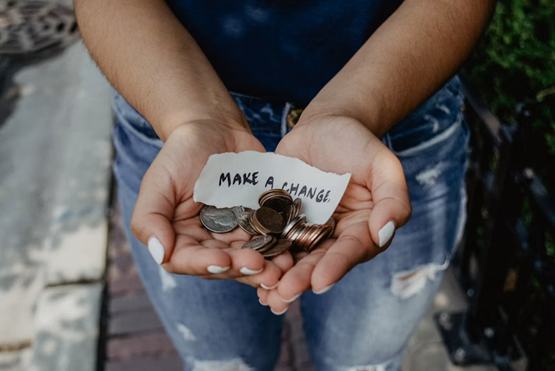
Want to create real change in your community?
Founding a nonprofit is one of the most impactful ways to create sustainable change. However, it’s also one of the most challenging endeavors you’ll ever undertake.
Here’s the thing…
The majority of startups fail in their first 5 years. Why? Because entrepreneurs skip the framework building phase. They dive into the exciting stuff (galas, sexy ads) without laying the infrastructure to sustain the vision.
This guide breaks down exactly how to build that framework the right way.
The game plan:
- Why Advancement of Education Deserves the Focus
- Setting Up the Legal Foundation
- Crafting a Mission and Vision
- Securing Sustainable Funding
- Building the Board and Team
- Measuring the Impact That Matters
Why Advancement of Education Deserves the Focus
Educational equity is one of the strongest causes you can champion as a nonprofit.
Why? When you support education, you create a ripple effect that benefits every corner of a community. By supporting schools, tutoring programs, or literacy initiatives, you are helping:
- Reduced poverty
- Stronger local economies
- Better career pathways
- Healthier families
And donors are listening. Giving to education increased 13.2% in 2024, according to the latest statistics. Fastest. Growing. Cause. Ever.
That’s a huge signal.
Whether you’re focused on the advancement of education, poverty relief, or some other permissible charitable cause, the legal structure you use matters. For instance, starting a registered charity in Canada comes with certain Canada Revenue Agency requirements around charitable purpose and public benefit.
Get that framework right from day one.
Setting Up the Legal Foundation
Before anything else, the legal structure needs to be nailed down.
It’s also where most new founders become paralyzed. Understandably so. There is a ton of paperwork and one misstep can set you back months.
Here’s what needs to happen first:
- Decide on your legal structure: The majority of social impact organizations are set up as a 501(c)(3) in the United States or as a registered charity in the United Kingdom, Canada, or Australia. Different structures have different rules.
- Write your bylaws: Bylaws are the rules that your board uses to run the company. Remember KISS.
- Get your status registered with the appropriate authorities: This makes it official, legal, and enforceable.
- File for tax-exempt status: This unlocks the ability to accept tax-deductible donations.
Don’t rush this stage.
You may want to skip straight to fundraising, but weak legal infrastructure will plague your organisation for decades.
Crafting a Mission and Vision
Now to the fun part.
Your mission statement is the soul of your organization. Donors, volunteers and staff will remember it for years to come.
Here’s how to write one that actually works:
- Keep it to one clear sentence
- Be specific about who you serve
- Focus on the outcome, not just the activity
- Avoid vague buzzwords
Weak example: “We help kids.”
Good example: “Tutoring for high school students living in underserved areas of Toronto.”
Strong example: “We offer free after-school tutoring for underserved high school students in Toronto to ensure graduation.”
See the difference? The strong version tells you exactly who, what, where, and why.
After you’ve determined your mission, craft a vision statement that explains what the world will look like after your nonprofit has realized its mission. Include both in all of your communications.
Securing Sustainable Funding
Most nonprofits fail because they run out of money.
It’s that simple.
The positive? Nonprofit organizations have more funding to go around than ever. Giving in the US totaled $592.5 billion in 2024, just shy of a record high.
But you can’t live off of just one revenue source. Successful nonprofits diversify revenue streams for the lean years.
The main funding sources to consider:
- Individual donors (still the largest slice of the pie)
- Corporate sponsorships
- Government grants
- Foundation grants
- Program fees for services
- Fundraising events
Individual donors are the lifeblood of the sector, giving approximately two-thirds of all philanthropic funds.
The best approach?
Begin with monthly donors. Build up a small cadre of loyal supporters giving you money every month. Once you have that base, take advantage of recurring gifts. They are precious because you know you can count on them. Supplement with foundation grants and corporate underwriting as your reputation permits.
Building the Board and Team
Your board of directors will make or break your nonprofit.
Full stop.
An awesome board adds expertise, connections, and credibility. A lame board holds you back and causes internal drama.
When recruiting board members, look for:
- Diverse backgrounds and skill sets
- Genuine passion for the cause
- Willingness to help fundraise
- Governance or nonprofit experience
- Real time to contribute
Don’t fill seats just to fill seats. Every board member needs to add value.
In terms of staff, many new nonprofits begin with few (if any!) paid employees and many volunteers. That’s perfectly fine. The nonprofit sector overall is large. It employs close to 12 million people in the U.S. alone — so you’ll have no problem finding talented employees when you’re ready.
Measuring the Impact That Matters
A common error novice founders often make… They concentrate on outputs (number of events ran, meals distributed) instead of outcomes (did lives really get changed).
Big difference.
Donors want to know that their money matters. And you do too.
Set up measurement systems from day one:
- Define what success actually looks like
- Choose 3 to 5 key metrics
- Collect data on a regular schedule
- Share the results with donors
Impact reports do not need to be complex or flashy. Honest annual updates that include anecdotes and quantitative data will impress your donors.
And remember to adjust what you measure as your nonprofit grows. What you track in year 1 probably won’t work in year 5. Evolve your metrics with your mission.
Got a pro tip for ya: Show numbers alongside one or two individual stories about the people you serve. It’s that powerful pairing that will cultivate one-time donors into lifelong advocates for your mission.
Bringing It All Together
Starting a nonprofit organization is no small task. But few things are more worthwhile than starting a nonprofit for a cause close to your heart. Like advancing education.
To quickly recap:
- Nail the legal foundation before anything else
- Write a mission that is clear and specific
- Build multiple funding streams to stay resilient
- Recruit a board that actually adds value
- Measure the outcomes that matter, not just the outputs
High impact nonprofits aren’t defined by their budgets or executive offices.
They create the backbone themselves from the very beginning — and they never waiver from their vision.
Start there. The impact will follow.