
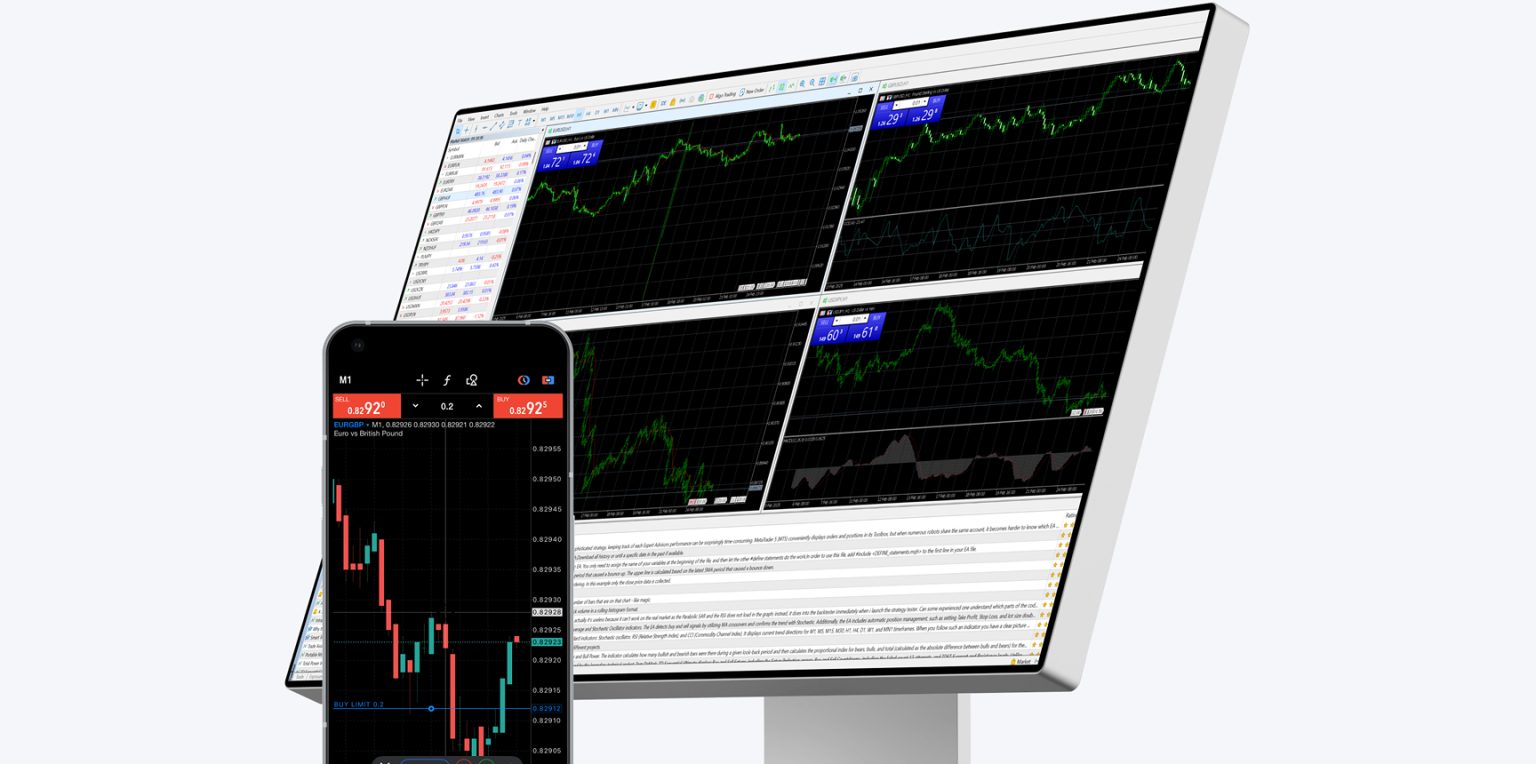
In the world of online trading, speed, precision, and reliability are essential for success, and the MetaTrader 4 platform has established itself as one of the most widely used solutions for forex traders across the globe. It offers a powerful combination of technical analysis tools, automated trading capabilities, and user-friendly functionality that supports both beginners and professional investors. Designed specifically for forex and CFD markets, this platform enables traders to analyze price movements, execute trades efficiently, and manage risk with greater control. Its long-standing reputation in the financial industry comes from its stability, flexibility, and advanced trading features that continue to support millions of users worldwide.
Why Is a Forex Trading Platform Important for Modern Traders?
A forex trading platform is essential because it serves as the primary gateway between traders and the global currency markets. Without a reliable platform, accessing real-time pricing, executing trades, and analyzing market data would be extremely difficult. Modern traders require systems that can process information instantly and provide accurate market insights. A strong platform allows users to monitor multiple currency pairs simultaneously, ensuring they never miss trading opportunities. Additionally, it provides essential tools for order execution, chart analysis, and portfolio management. This integration of functions helps traders operate more efficiently in a highly volatile and fast-moving environment.
How Does Advanced Charting Improve Trading Accuracy?
Advanced charting tools play a critical role in helping traders understand market behavior and make informed decisions. These charts display price movements across different timeframes, allowing users to identify patterns, trends, and potential reversal points. Technical indicators such as moving averages, Bollinger Bands, and oscillators help traders confirm signals before entering or exiting trades. By combining multiple indicators, traders can reduce uncertainty and improve accuracy in their predictions. Charting tools also support historical analysis, enabling users to study past market behavior and apply those insights to current conditions. This analytical approach significantly improves trading discipline and strategy development.
What Makes Automated Trading a Game-Changer?
Automated trading, often referred to as algorithmic trading, allows users to execute strategies without manual intervention. This feature is particularly valuable in forex markets, where prices can change within seconds. Automated systems operate based on predefined rules, ensuring that trades are executed consistently and without emotional interference. This eliminates common human errors such as hesitation or impulsive decision-making. Traders can also backtest their strategies using historical data to evaluate performance before applying them in live markets. This not only improves confidence but also helps refine strategies for better long-term results. Automation ensures that opportunities are never missed, even when traders are away from their screens.
Why Is Risk Management Essential in Forex Trading?
Risk management is one of the most important aspects of successful trading because it protects capital from unpredictable market movements. Even the most accurate trading strategies can fail if proper risk controls are not in place. Tools such as stop-loss orders and take-profit levels help traders define their risk exposure in advance. Position sizing ensures that no single trade can significantly damage the overall portfolio. Diversification across multiple currency pairs further reduces exposure to volatility. Managing leverage carefully is also crucial, as excessive leverage can amplify both gains and losses. A disciplined risk management approach ensures long-term sustainability in trading.
How Does Real-Time Market Data Influence Trading Decisions?
Real-time market data is critical for forex trading because currency prices are constantly changing due to global economic events, geopolitical developments, and market sentiment. Having access to live price feeds allows traders to react instantly to market movements. Delayed information can result in missed opportunities or poor trade execution. Real-time data includes bid and ask prices, trading volumes, and market depth, all of which help traders make informed decisions. This continuous flow of information supports both short-term and long-term trading strategies. Accurate and timely data ensures that traders operate with the most relevant market conditions available.
What Role Does Strategy Customization Play in Trading Success?
Customization is essential because every trader has a unique approach to the market. A flexible trading system allows users to adjust charts, indicators, and layouts according to their preferences. Traders can create personalized strategies using custom indicators and scripts tailored to specific market conditions. This level of control enhances efficiency by reducing unnecessary distractions and focusing only on relevant tools. Alerts and notifications can also be customized to trigger based on specific price levels or market events. This ensures that traders remain informed even when they are not actively monitoring the platform. Customization improves productivity and supports more effective trading strategies.
How Does User Experience Impact Trading Performance?
User experience plays a significant role in determining how effectively traders interact with the platform. A well-designed interface allows users to navigate between charts, orders, and analysis tools quickly and efficiently. Simple and intuitive layouts reduce confusion and help traders focus on decision-making rather than technical difficulties. Fast execution speeds are also crucial, especially in volatile markets where timing is everything. A responsive platform minimizes delays and ensures that trades are executed at the desired price levels. Overall, a smooth user experience enhances confidence and improves trading performance.
Why Is Multi-Device Access Important for Traders?
Multi-device access allows traders to stay connected to the markets from anywhere in the world. Whether using a desktop, laptop, tablet, or smartphone, users can monitor positions and execute trades without being tied to a single location. This flexibility is especially important in forex markets, which operate 24 hours a day across different time zones. Synchronization across devices ensures that all account data, settings, and strategies remain consistent. Traders can respond quickly to market changes even when they are away from their primary workstation. This continuous accessibility increases efficiency and reduces the risk of missing important trading opportunities.
How Is Technology Shaping the Future of Forex Trading?
Technology is transforming forex trading by introducing artificial intelligence, machine learning, and advanced data analytics into trading systems. These innovations allow for more accurate predictions and improved decision-making processes. AI-driven tools can analyze large volumes of market data in seconds, identifying patterns that may not be visible to human traders. Machine learning models continue to improve over time by adapting to changing market conditions. Additionally, automation and cloud-based systems are making trading more efficient and accessible than ever before. As technology continues to evolve, forex trading platforms will become even more intelligent, adaptive, and user-friendly.
In conclusion, modern forex trading requires powerful tools that offer speed, precision, and flexibility. Platforms designed for currency trading provide essential features such as real-time data, automated trading, advanced charting, and risk management systems. These capabilities allow traders to navigate the complexities of global financial markets with greater confidence and control. As technology continues to advance, trading systems will become even more sophisticated, helping investors achieve better results and maintain a competitive edge in an increasingly dynamic financial environment.