
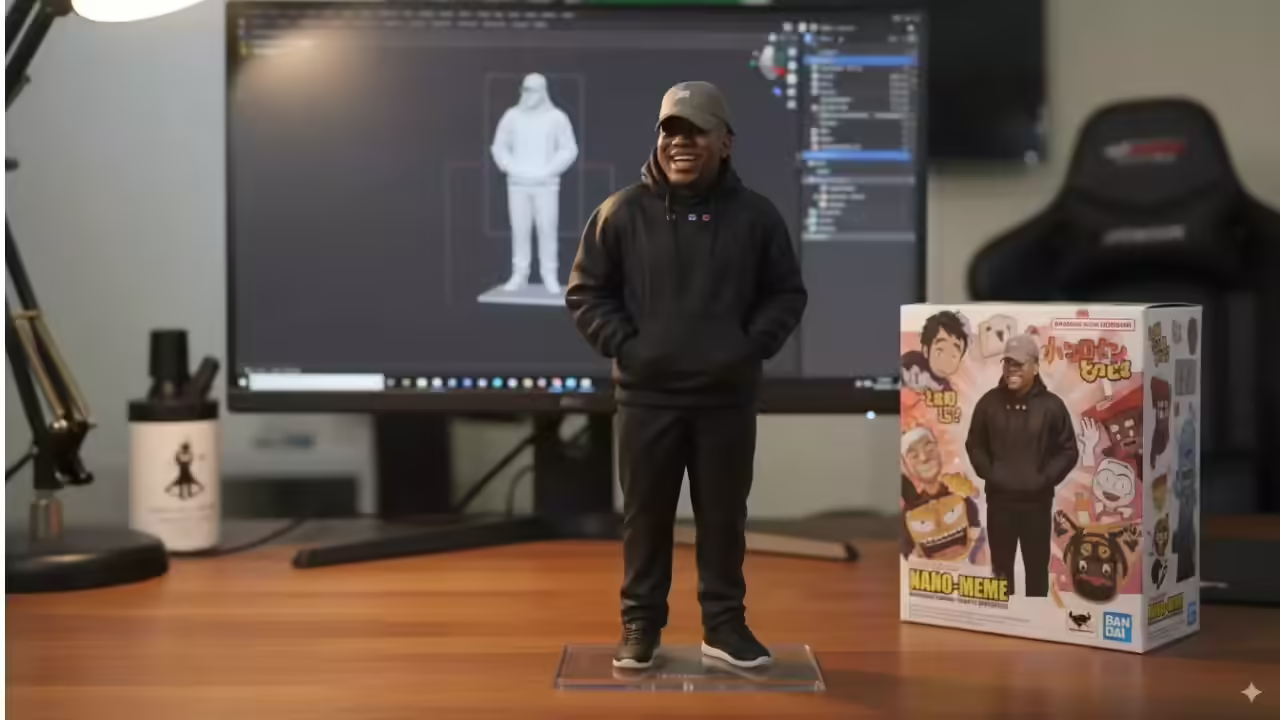
The sudden popularity of experimental AI visuals often follows a familiar pattern. A strange term appears, creators begin testing it, social feeds fill up with oddly specific images, and before long, everyone is asking the same question—what exactly is going on here? That curiosity is what has driven attention toward how to create nano banana model workflows, especially among users experimenting with generative AI tools in unexpected ways.
At first glance, the phrase itself sounds playful, almost unserious. But spend a little time inside AI communities, and it becomes clear that nano banana models are less about novelty and more about creative control. People aren’t just generating images; they’re shaping tiny, stylized objects, figurines, and surreal compositions that blend realism with exaggeration. These outputs feel intentional rather than random, and that’s the hook.
What makes this trend interesting is how it sits at the intersection of prompt engineering, visual storytelling, and AI experimentation. The process relies heavily on phrasing, context layering, and iterative prompting. A slight change in wording can turn a flat image into something with depth, texture, and character. This is where tools like Gemini AI enter the conversation, quietly powering much of the experimentation behind the scenes.
There’s also a cultural layer. From miniature 3D figurines to stylized fashion visuals inspired by viral aesthetics, nano banana models have become a shorthand for a very specific creative direction. Not everyone defines it the same way, and that’s part of the appeal. The flexibility allows creators to interpret the concept differently while still working within a recognizable style.
This guide breaks down how the nano banana trend works, why it’s gaining traction, and how creators are building consistent results using structured prompts, AI models, and experimentation. Not hype. Just understanding.
Understanding The Nano Banana Concept In AI Creation
Before diving into tools or prompts, it helps to understand what people actually mean when they talk about nano banana models. The term doesn’t describe a single official AI feature or preset. Instead, it has emerged organically, shaped by how creators describe a particular visual outcome. Small-scale, exaggerated proportions. Clean textures. Almost toy-like realism.
These visuals often resemble miniature collectibles or hyper-stylized objects, but they aren’t cartoonish. There’s detail. Lighting behaves realistically. Shadows fall naturally. Yet the subject feels intentionally “small,” contained, and focused. That balance is what people chase.
The name itself likely evolved from the playful language creators use when testing prompts. AI communities are full of inside jokes, shorthand, and evolving terminology. The nano banana is simply stuck. Over time, it became associated with a specific aesthetic rather than a literal banana or object.
What matters is not the name, but the output style. Once that clicks, everything else—prompts, tools, iterations—starts to make sense.
Why Nano Banana Models Became Popular So Quickly
Trends in generative AI tend to move fast, but this one spread unusually quickly. Part of the reason is accessibility. You don’t need advanced technical skills or custom training to experiment with nano banana outputs. Anyone comfortable with text prompts can start exploring.
Another reason is shareability. The images produced are visually striking without being overwhelming. They fit well on social feeds. They invite curiosity. People pause, zoom in, and ask how it was made. That feedback loop fuels adoption.
There’s also fatigue with overly complex AI visuals. Ultra-detailed scenes, cinematic chaos, and hyperrealism can feel exhausting. Nano banana creations go in the opposite direction. Smaller scope. Focused subject. Cleaner composition. It feels refreshing.
Finally, the trend aligns with a broader shift toward intentional prompting. Instead of asking AI to “make something cool,” users are learning to guide outputs precisely. Nano banana experiments reward that effort.
The Role Of Prompt Engineering In Nano Banana Creation
Prompt engineering is the backbone of this entire workflow. Without strong prompts, nano banana outputs fall apart quickly. The AI either produces generic visuals or drifts into unrelated styles.
Effective prompts tend to layer information rather than dump it all at once. Creators often begin by defining scale and material, then move into lighting, texture, and environment. Each element builds on the previous one.
This is where nano banana prompt structures come into play. Rather than being a single sentence, these prompts read more like carefully constructed descriptions. They aren’t verbose for the sake of length; they’re precise.
A common mistake is overloading prompts with buzzwords. That usually confuses the model. The better approach is specificity. Small object. Studio lighting. Smooth polymer texture. Shallow depth of field. Those details guide the AI more effectively than vague adjectives.
Iteration matters too. Most strong outputs aren’t first attempts. Creators adjust phrasing, reorder descriptors, and refine emphasis until the image feels right.
Using Gemini AI For Nano Banana Experiments
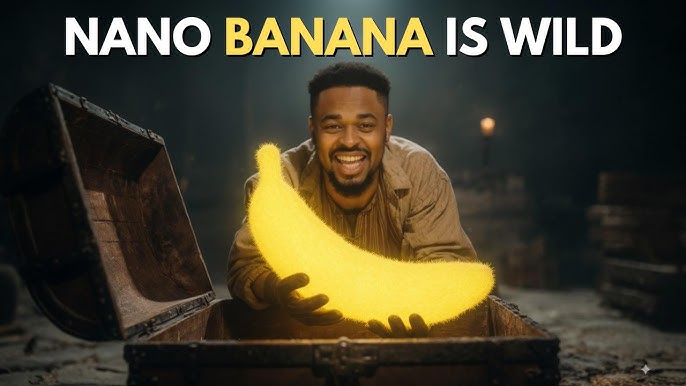
Many creators experimenting with nano banana visuals rely on Gemini AI nano banana workflows, even if they don’t explicitly label it that way. Gemini AI’s strength lies in understanding nuanced prompt structure and maintaining consistency across iterations.
What stands out is how well Gemini responds to spatial and material descriptions. When prompts specify scale, surface quality, and lighting conditions, the outputs tend to stay cohesive. That’s crucial for miniature-style visuals.
Another advantage is flexibility. Gemini doesn’t lock users into a single aesthetic. You can shift from glossy figurines to matte clay models with subtle prompt changes. That responsiveness makes experimentation feel less frustrating.
The learning curve is still there. Early attempts might feel off. But once users understand how Gemini interprets phrasing, results improve quickly.
The Nano Banana Saree Trend And Cultural Styling
One of the more unexpected offshoots of this trend is the Google Gemini AI Nano Banana Saree trend. This variation blends miniature aesthetics with traditional fashion elements, producing visuals that feel both playful and respectful.
The challenge here lies in balance. Cultural clothing carries meaning, structure, and detail. Miniaturizing it without losing authenticity requires careful prompting. Successful prompts often focus on fabric texture, fold structure, and color depth.
Creators experimenting in this space tend to approach it thoughtfully. Instead of exaggeration for shock value, the emphasis is on craftsmanship. The nano banana aesthetic becomes a lens rather than a gimmick.
This trend highlights how adaptable the concept is. It’s not locked to objects or figurines. It can extend into fashion, culture, and storytelling when handled with care.
Creating 3D Figurine Effects With Nano Banana Style
A large portion of interest centers on figurines. The appeal is obvious. Small, collectible-style visuals trigger nostalgia and curiosity. Using nano banana ai 3d figurines gemini, creators aim to replicate the feel of real-world miniatures.
Achieving this effect depends heavily on lighting and perspective. Overhead lighting flattens the image. Side lighting introduces depth. Background simplicity keeps attention on the subject.
Texture descriptions matter more than people expect. Words like resin, vinyl, matte plastic, or soft polymer influence surface appearance significantly. Combined with scale indicators, they help the AI understand intent.
It often takes multiple iterations to land the right balance. Too realistic, and it loses charm. Too stylized, and it feels artificial. The sweet spot sits somewhere in between.
Differences Between Nano Banana And Standard AI Image Outputs
It’s tempting to think nano banana outputs are just “smaller images.” They aren’t. The difference lies in compositional intent. Standard AI images often try to fill the frame with information. Nano banana visuals do the opposite.
Negative space becomes important. Backgrounds are controlled. Subjects are isolated. This restraint creates clarity. The viewer knows exactly where to look.
Another difference is emotional tone. Nano banana images feel deliberate, almost handcrafted. Even though they’re AI-generated, they suggest care and intention. That perception matters, especially when sharing or showcasing work.
Common Mistakes Beginners Make With Nano Banana Prompts
One of the biggest mistakes is assuming longer prompts equal better results. Length without structure rarely helps. AI responds better to organized descriptions than to word dumps.
Another issue is inconsistency. Mixing too many styles confuses the model. A prompt that combines hyperrealism, cartoon aesthetics, cinematic lighting, and abstract art usually produces muddy results.
Patience is another factor. Beginners often expect perfect outputs immediately. Nano banana creation is iterative. Refinement is part of the process.
Finally, many users ignore lighting altogether. That’s a missed opportunity. Lighting defines form, especially at small scales.
How Creators Refine Outputs Through Iteration
Iteration isn’t just repetition. It’s an analysis. Creators look at what worked and what didn’t, then adjust accordingly. Maybe the texture feels off. Maybe the scale isn’t clear. Those observations inform the next prompt.
Some creators keep prompt journals. Others save variations and compare results side by side. Over time, patterns emerge. Certain phrases consistently produce better outputs.
This process turns experimentation into skill. The AI doesn’t change; the user does.
Expanding Nano Banana Concepts Beyond Figurines
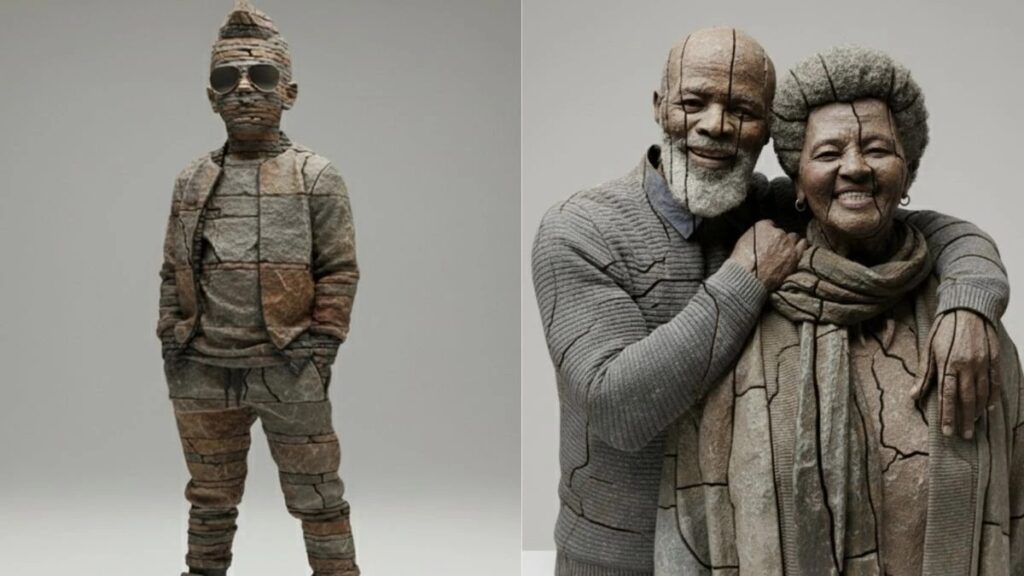
While figurines dominate the trend, nano banana concepts extend further. Architecture models. Product mockups. Concept art. Anywhere scale and focus matter, the approach applies.
Even abstract ideas can benefit. A tiny, symbolic object can communicate more than a complex scene. That’s part of the appeal.
As creators grow more comfortable, they push boundaries. The style evolves. New sub-trends emerge. That’s how AI aesthetics grow organically.
Where Nano Banana Fits In The Broader AI Landscape
Nano banana isn’t a replacement for other styles. It’s a compliment. It serves creators who want control, clarity, and intentionality.
As AI tools become more powerful, the limiting factor shifts from capability to creativity. Nano banana workflows highlight that shift. The technology is already there. The challenge is using it thoughtfully.
This trend reflects a maturing user base. People aren’t just generating images anymore. They’re designing outcomes.
Conclusion
The nano banana trend isn’t about novelty words or fleeting hype. It’s about how creators are learning to work with AI more deliberately. By focusing on scale, composition, and prompt structure, users are producing visuals that feel intentional and refined.
Whether experimenting with figurines, cultural styling, or abstract concepts, nano banana workflows reward patience and curiosity. As tools like Gemini AI continue to evolve, this approach will likely influence how people think about AI creativity itself. Small ideas, thoughtfully executed, often leave the strongest impression.