
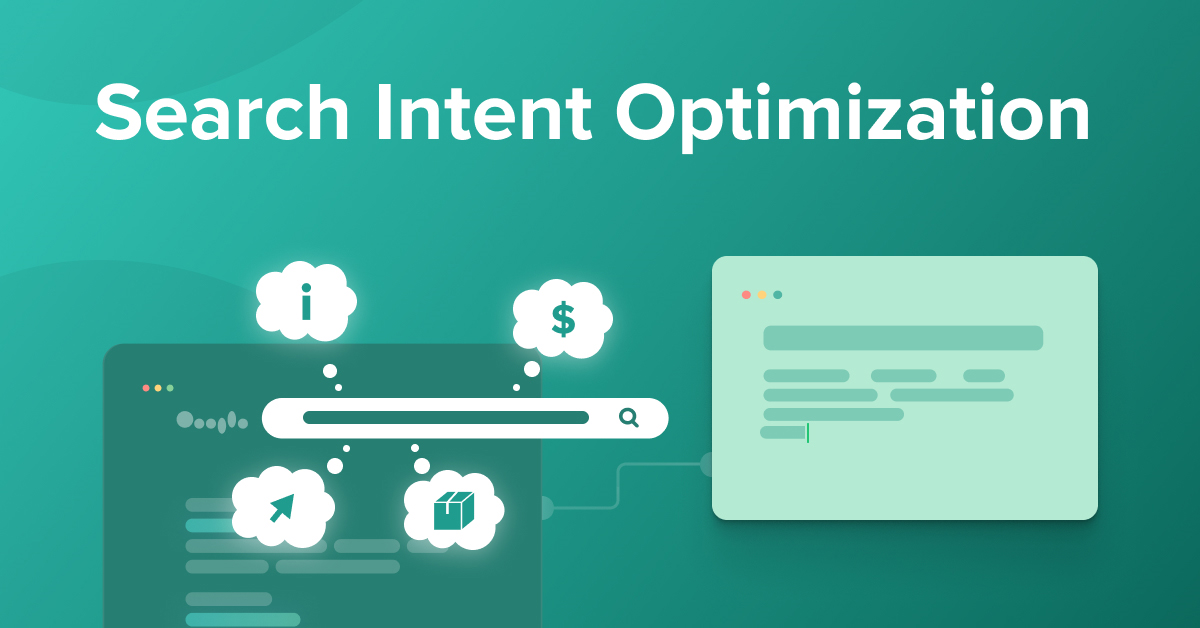
search intent seo isn’t new, but the way Google uses it today feels very different from even a few years ago. You can hit every keyword perfectly, nail on-page basics, even earn links… and still not rank. Or worse, rank briefly, then fade. That’s the part that frustrates people. It feels random. It isn’t.
Keywords stopped being the finish line a long time ago. They became the starting signal. What matters now is why someone typed that query, what they expect to see next, and whether your page satisfies that expectation without forcing it.
Think about your own searches. Sometimes you want a definition. Sometimes you want to buy. Sometimes you’re just comparing options, half-decided, coffee in hand. Google is watching those patterns at scale. Clicks, returns, refinements, pauses. All of it feeds into how results are reordered.
This is why ranking volatility feels so aggressive lately. Content that was “good” can suddenly feel wrong. Not inaccurate. Just misaligned. A slight tone issue. Too salesy. Too shallow. Too long. Too early in the journey.
Most guides oversimplify this. They list intent types, show neat examples, then move on. But real intent is messy. It overlaps. It shifts. It evolves with SERPs themselves. And Google doesn’t guess intent once. It keeps testing.
This guide digs into how intent actually works in modern search. How Google interprets queries, why good content fails, how intent shifts over time, and how to optimize without turning your content into a checklist. If rankings feel unstable lately, this is probably the missing layer.
Why Keywords Alone Stopped Working
There was a time when matching phrases worked. You targeted a query, wrote around it, and Google rewarded relevance. But relevance, as Google defines it now, is contextual. That’s where google search intent reshaped the game.
Two pages can target the same keyword and serve completely different needs. One explains. One sells. One compares. Google isn’t choosing the best-written page. It’s choosing the page that best fits the dominant expectation behind that query right now.
This is why user intent seo became unavoidable. A perfectly optimized article can underperform if it answers the wrong question. And often, the writer doesn’t even realize they answered the wrong one.
Keywords didn’t stop mattering. They just stopped being enough.
What Search Intent Actually Is
Search intent is the underlying goal behind a query. Simple definition. Messy execution.
People don’t search like machines. They search in fragments, half-thoughts, emotional states. Google’s job is to infer that goal at scale. That’s where search intent optimization really lives, not in labels, but in interpretation.
A query like “best project management tools” isn’t just informational. It’s evaluative. Maybe transactional later. Google reads patterns, not words. That’s why how google understands intent isn’t about semantics alone. It’s about behavior over millions of searches.
Intent is probabilistic. Google doesn’t “know” intent. It predicts it, then watches what happens next.
Types Of Search Intent And Why They Blur
Most people learn the classic types of search intent early. Informational, transactional, navigational. Clean categories. Reality isn’t clean.
Many queries sit between informational vs transactional intent. Users want to learn and buy, just not yet. Google responds with mixed SERPs. Guides. Lists. Product pages. Reviews.
This is where intent based seo becomes tricky. Optimizing for one intent while the SERP reflects another creates friction. Rankings slip. Engagement drops. The content wasn’t wrong. It was mistimed.
Intent also evolves. What starts informational can become commercial as markets mature. Google adapts faster than most sites.
How Google Detects Intent In Practice
Google doesn’t rely on content alone. It watches the SERP itself. Which results get clicked. Which get skipped. How long users stay. Whether they refine their query.
That’s serp intent analysis in action, even if you’re not doing it consciously. Google is constantly running micro-experiments.
Engagement matters, but not in isolation. High engagement on the wrong type of result doesn’t override intent mismatch. This is why google intent signals are layered, not singular.
SERPs are feedback loops. They teach Google what worked yesterday. And yesterday keeps changing.
Intent Mismatch And Ranking Failure
This is where most frustration comes from. The page is solid. Well written. Accurate. Yet it won’t stick.
That’s intent mismatch seo at work. The content answers a different question than the SERP expects. Maybe it’s too advanced. Maybe too basic. Maybe it assumes purchase readiness that isn’t there.
You’ll see this when impressions stay high but clicks lag. Or clicks come, then bounce. Google interprets that as dissatisfaction, not quality failure.
Fixing mismatch isn’t about adding sections. It’s about reframing the page’s purpose.
Intent Shifts Over Time
Intent isn’t static. Markets change. Language changes. Expectations change. That’s intent shift seo, and it explains why old winners decline.
A query that once needed explanations may now need comparisons. A term that was niche becomes mainstream. SERPs adapt. Pages don’t, unless updated intentionally.
This is why ranking based on intent feels ruthless. Google doesn’t care that you ranked before. It cares that you satisfy current demand.
Intent decay is real. And it’s quiet.
Optimizing Content For Intent Without Overdoing It
True content intent optimization starts before writing. You look at the SERP. You ask what Google is rewarding. Tone. Format. Depth. Not copying, but aligning.
Structure matters. So does pacing. So does how fast you deliver value. Intent isn’t just what you say. It’s how you say it.
This is where intent driven content feels different. It doesn’t push. It meets the reader where they are. Sometimes that means holding back the pitch. Sometimes it means getting to it faster.
Optimization here is restraint, not addition.
Multi Intent Pages And When They Work
Some pages rank because they serve more than one intent gracefully. Not by cramming everything in, but by sequencing.
This is advanced intent targeting seo. You acknowledge curiosity, then guide toward action. Or you answer the basic question, then expand.
These pages work best when the SERP itself is mixed. When Google isn’t sure yet. When it’s still testing.
Force multi-intent on a single-intent SERP and rankings wobble.
Intent Testing Before You Publish
Most people test after failure. Better to test before writing.
Look at the SERP. What formats dominate? What angles repeat? What’s missing? That’s keyword intent analysis in practice, even if you never call it that.
Draft outlines against intent, not keywords. Validate assumptions. This is the core of any durable search intent strategy.
Writing becomes easier when intent is clear. Editing becomes minimal. Rankings become more stable.
FAQs
What is the simplest way to identify search intent?
Look at the current SERP. Ignore definitions. The dominant result types usually reveal intent faster than theory. Google shows what it believes users want right now.
Can one keyword have multiple intents?
Yes. Many queries are mixed. That’s why search intent examples often look contradictory. Google balances results until behavior clarifies preference.
Why does good content fail to rank?
Often because it answers the wrong stage of intent. Quality doesn’t override mismatch. Alignment comes first, polish second.
Does intent matter more than backlinks?
For many queries, yes. seo without backlinks works when intent alignment is strong and competition is content-driven rather than brand-driven.
How often does search intent change?
More often than most sites update. That’s why older content slips even without penalties. Intent drift is subtle but constant.
Is this covered in a typical search intent guide?
Rarely in depth. Most guides simplify categories but skip evolution, overlap, and SERP feedback loops.
Conclusion
Search intent is no longer a layer. It’s the framework. Google ranks pages that feel right for the moment, not just optimized on paper. When intent aligns, rankings stabilize. When it drifts, even great content fades. Understanding that difference is now essential.