
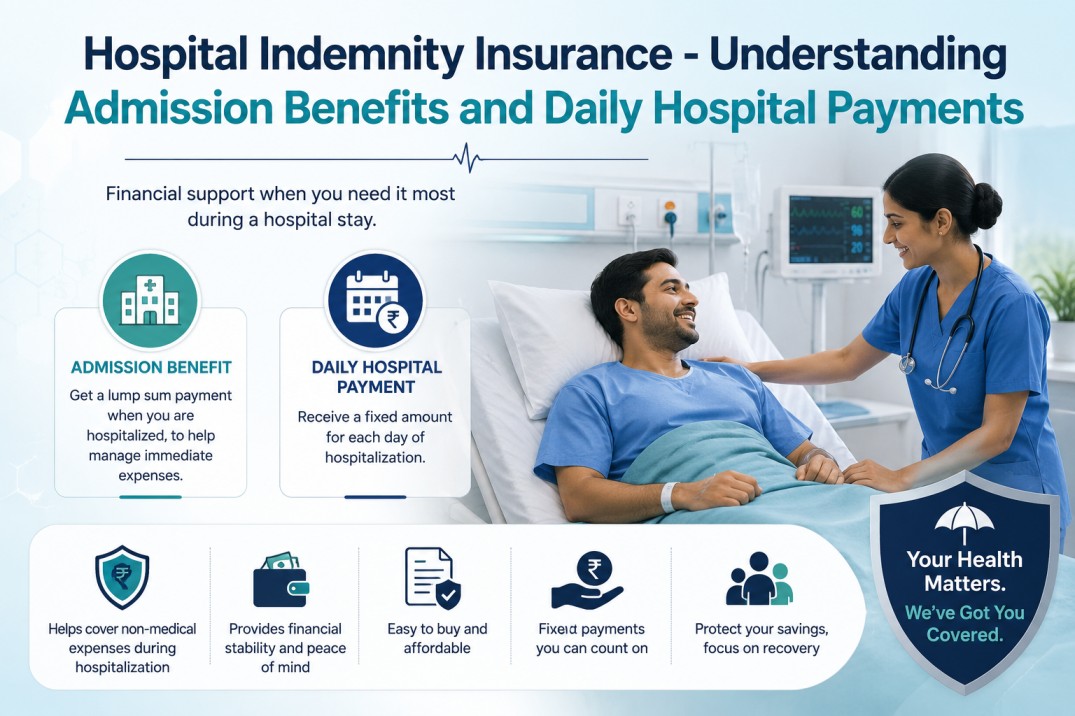
A hospital stay can create financial responsibilities that continue long after a patient has been admitted for treatment. Medical bills, transportation, household expenses, and time away from work can place pressure on individuals and families. Hospital Indemnity Insurance provides supplemental financial support through fixed cash benefits when an insured person experiences a qualifying hospital admission. Two important features commonly included in these policies are admission benefits and daily hospital payments. Understanding how these payments work can help individuals evaluate their coverage and prepare for unexpected medical situations https://www.hospitalindemnityinsurance.org/what-is-hospital-indemnity-insurance/.
These benefits are designed to complement existing health insurance. Rather than paying medical providers according to treatment costs, hospital indemnity coverage generally provides predetermined amounts when specific conditions in the policy are met.
What Are Hospital Admission Benefits?
A hospital admission benefit is a fixed cash payment provided when an insured individual is formally admitted to a hospital for a covered reason. The payment amount is established in the policy and is generally not calculated according to the total hospital bill.
For example, a policy may provide a specified payment following an eligible inpatient admission. The insured person may receive this amount after submitting a claim and providing the documentation required by the insurer.
Admission benefits can help manage expenses that arise when someone enters a hospital. These may include transportation, parking, meals, childcare, or other household responsibilities. The payment can also help with certain out-of-pocket healthcare costs, depending on the individual’s financial priorities.
It is important to understand that not every visit to a medical facility qualifies. The policy may require a formal inpatient admission, and emergency room visits or outpatient procedures may not meet the necessary conditions.
How Daily Hospital Payments Work
Daily hospital payments, sometimes called daily confinement benefits, provide a fixed amount for each eligible day an insured person remains in the hospital.
The benefit amount is selected when the policy is purchased or determined by the coverage option. If the insured person experiences a qualifying hospital stay, payments may be available for each day that meets the policy requirements.
For instance, a policy may offer a predetermined daily amount for eligible hospital confinement. If the stay lasts several covered days, the total payment may increase according to the number of eligible days, subject to the policy’s maximum limits.
These payments can be useful because household expenses do not stop during hospitalization. Rent, mortgage payments, utility bills, groceries, and other financial commitments may continue while the patient is unable to follow their normal routine.
However, daily benefits are not unlimited. Policies commonly establish maximum payment periods, eligibility rules, and other conditions that determine how many days qualify.
Differences Between Admission Benefits and Daily Payments
Although both benefits provide financial support during hospitalization, they serve different purposes.
An admission benefit is generally a one-time payment associated with a qualifying hospital admission. It may help address immediate expenses that arise when the patient enters the hospital.
A daily confinement benefit is based on the number of eligible days spent in the hospital. It can provide continued financial support throughout a qualifying stay.
Consider an individual who is admitted for a covered medical condition and remains hospitalized for several days. If the policy includes both benefits, the person may qualify for an admission payment and separate daily payments for eligible days.
The exact amount depends on the selected benefit schedule, coverage limits, and policy conditions. Some policies offer both features, while others may have different combinations of benefits.
How These Benefits Complement Health Insurance
Traditional health insurance and hospital indemnity coverage have different purposes. Health insurance generally helps pay for eligible medical services, subject to deductibles, copayments, coinsurance, network rules, and other plan conditions.
Hospital indemnity insurance provides fixed cash benefits when qualifying events occur. The payments are generally based on the policy’s benefit schedule rather than the exact cost of treatment.
For example, health insurance may cover eligible hospital services after the policyholder meets applicable cost-sharing requirements. A separate hospital indemnity policy may provide an admission benefit and daily payments if the hospitalization satisfies its terms.
This additional money may help with expenses that are not fully addressed by medical coverage. However, hospital indemnity insurance does not replace comprehensive health insurance or guarantee payment of every hospital-related cost.
Expenses That Admission and Daily Benefits May Help Manage
One advantage of fixed cash benefits is the flexibility they can provide. Hospitalization can affect several areas of household finances, and the additional payment may help with different responsibilities.
Common expenses include:
- Household bills: Rent, mortgage payments, electricity, water, and other regular commitments.
- Transportation: Fuel, parking, public transportation, or travel to and from the hospital.
- Family support: Childcare, dependent care, and additional household assistance.
- Daily necessities: Groceries, meals, and essential household supplies.
- Medical expenses: Certain deductibles, copayments, and other out-of-pocket costs.
- Lost income: Financial responsibilities that become harder to manage when someone needs time away from work.
The recipient can generally decide how to use the cash benefit, subject to the policy’s provisions. This flexibility can be particularly helpful when several expenses arise at the same time.
Understanding Maximum Payment Limits
Admission benefits and daily hospital payments are subject to policy limits. These limits determine how much an insurer may pay and how frequently a benefit can be received.
A policy may restrict admission payments to a specified number of qualifying admissions within a particular period. Daily confinement payments may be available only for a maximum number of days per stay or policy year.
Some plans also provide separate payment limits for intensive care or other specified hospital services. These additional benefits may have their own eligibility requirements.
When comparing coverage, individuals should examine the complete benefit schedule rather than focusing only on the advertised admission or daily payment amount.
For example, a policy with a higher daily benefit may have a shorter maximum payment period. Another policy may offer a lower daily amount but provide coverage for more eligible days. Understanding these differences helps individuals evaluate the overall financial protection available.
Eligibility Requirements for Hospital Payments
To receive admission or daily confinement benefits, the insured person must meet the conditions established in the policy.
Many plans require a formal inpatient admission to a qualifying hospital. The reason for hospitalization must also fall within the covered circumstances described in the contract.
Observation stays, outpatient procedures, and emergency room visits may be treated differently from inpatient hospitalization. The policy may also define which types of facilities qualify.
Waiting periods, pre-existing condition provisions, and other exclusions can affect eligibility. These rules vary, so individuals should review the policy documents carefully before relying on a particular benefit.
Preparing to Submit a Claim
Understanding the claim process can make it easier to access eligible benefits. When a qualifying hospital stay occurs, the policyholder or an authorized representative may need to submit a completed claim form and supporting documentation.
Commonly requested information may include hospital admission records, discharge details, dates of confinement, and other documents needed to verify the stay.
The insurer reviews the submitted information to determine whether the admission and eligible hospital days satisfy the policy requirements. Additional documentation may be requested if details are incomplete or unclear.
Keeping insurance documents accessible and understanding claim submission deadlines can help reduce avoidable delays.
Choosing Suitable Admission and Daily Benefit Amounts
Selecting appropriate benefit amounts requires considering household expenses, existing health insurance, and the cost of supplemental coverage.
Individuals should estimate how much financial pressure a hospital stay could create. Someone with substantial monthly commitments may consider whether a higher daily benefit would provide useful support. Families with dependents may also need to account for childcare and additional transportation expenses.
Premium costs should be compared with the available benefits. A larger payment may sound attractive, but it should remain affordable within the household budget. It is also important to review exclusions, maximum benefit periods, and renewal conditions.
The aim is to choose coverage that addresses realistic financial needs without paying for unnecessary features.
Conclusion
Hospital admission benefits and daily hospital payments are two important features of supplemental hospital coverage. Admission benefits generally provide a fixed payment following a qualifying inpatient admission, while daily confinement benefits offer predetermined payments for eligible days spent in the hospital.
Together, these benefits may help individuals manage household bills, transportation, childcare, and other expenses during a medical stay. Their value depends on the benefit amounts, eligibility requirements, payment limits, and exclusions in the policy. Reviewing these details alongside existing health insurance can help individuals make informed decisions about supplemental financial protection.