
You type microdisha.com login into Google because you want one thing. Not an essay. Not ten junky results pretending to help while dragging you through ads and recycled screenshots from 2019. You just want the actual login page, the real steps, and maybe a quick answer for why the site is acting like a stubborn ceiling fan in peak summer.
Fair.
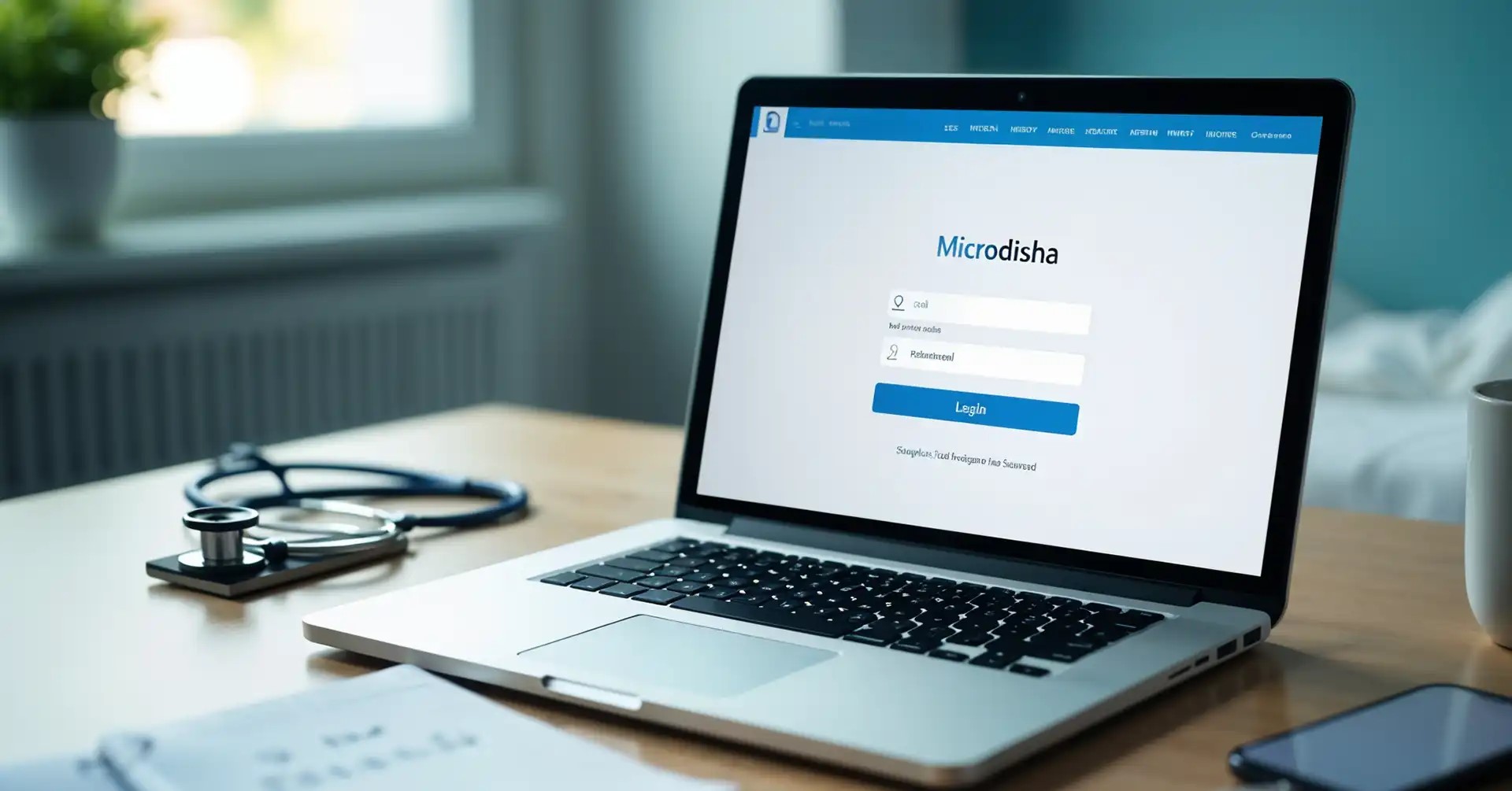
The official Microdisha sign-in page is available through the main domain, and there is also a direct sign-in page at the site’s login address. The portal itself shows a standard sign-in form asking for User Name and Password, with a note saying password reset should be handled through the Division Admin.
That already tells you something useful. This is not one of those public signup platforms where anyone can create an account in thirty seconds and start clicking around. It looks like a controlled-access system, the kind where credentials are issued to authorized users and password help goes through an internal admin channel. The site also references a DISHA New Version and asks field teams to use it for required reports, which suggests an operational dashboard environment rather than a general public website.
So this blog is for the person who searched www.microdisha.com login or microdisha.com login and wants the straight path. We’ll cover the official login route, what the portal appears to be used for, common login issues, how to avoid fake pages, what to do if your password stops cooperating, and a few habits that save time later. Because honestly, half of login trouble is not technical failure. It is people landing on the wrong page, using stale credentials, or assuming every portal works like Gmail.
It doesn’t.
And there is another weird little thing here. Search results around Microdisha include a pile of third-party “guides” that repackage the same thin instructions. Some are harmless, some are fluff, some feel like they were written by a toaster with affiliate ambitions. That makes the simplest advice the best advice: use the official domain, check the login page itself, and do not hand over credentials on some lookalike site that happens to rank well one week.
Let’s start where most people actually get tangled up.
The Official Microdisha.com Login Page
The official website is under the microdisha.com domain. Search results show a main site page with navigation including Home, About Us, Contact Us, and Sign-In, and a direct sign-in page at /general/login.aspx that asks for User Name and Password.
That direct login page is the one most people are trying to reach when they search www.microdisha.com login.
The page itself is pretty plain. No drama. It includes a password note that says: For Password Reset – Please Contact Division Admin. It also has options to remember the username or password on the device, which is convenient, though you should think twice before using that on a shared office system.
There is also a related login page on insights.microdisha.com, branded as Micro Disha, which asks users to select Country, then enter a username and password. That suggests either another connected environment, reporting layer, or a separate access interface within the same broader system.
So no, you are not imagining things if you saw more than one login-looking page. That can happen. The safe move is still the same: stay on the official microdisha.com domain or subdomains clearly tied to it.
How to Log In to www.microdisha.com
This part is simple, at least on paper.
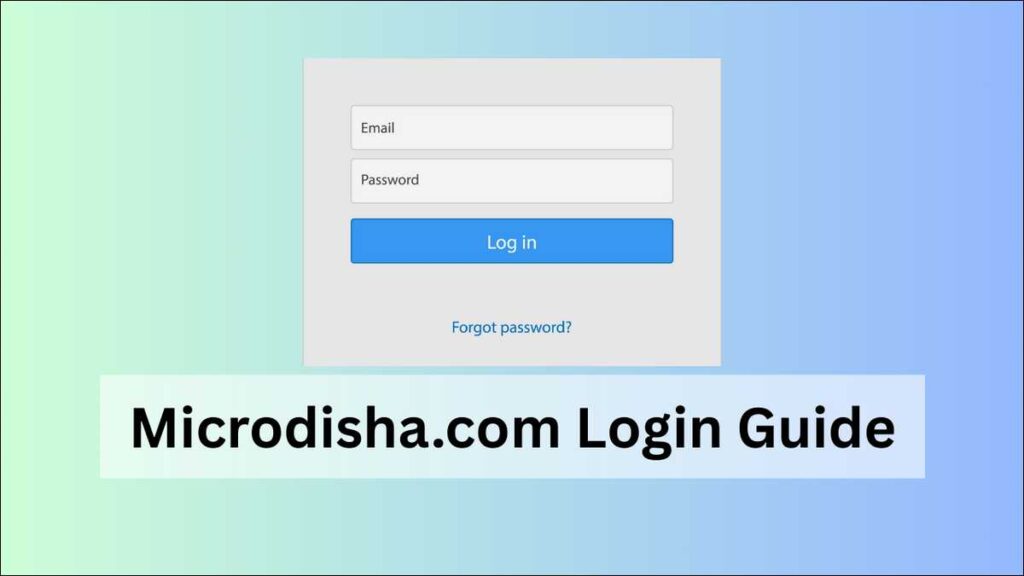
Open your browser and go to the official Microdisha website. From there, either click Sign-In from the site navigation or go straight to the sign-in page. Enter your assigned username and password, then submit the form. That is the core process shown on the official login page.
That sounds obvious, but login problems usually begin in the gaps between “simple” and “done.” A few examples:
You typed the password right, except Caps Lock was on.
You saved an old password in the browser and forgot it was auto-filling stale junk.
You landed on some third-party article instead of the real portal.
You are trying to reset the password yourself when the page literally says to contact the Division Admin.
You are using a slow office network that takes forever and makes you think the page rejected you when it just has the energy of a sleepy photocopier.
All of that happens.
What Microdisha Appears to Be Used For
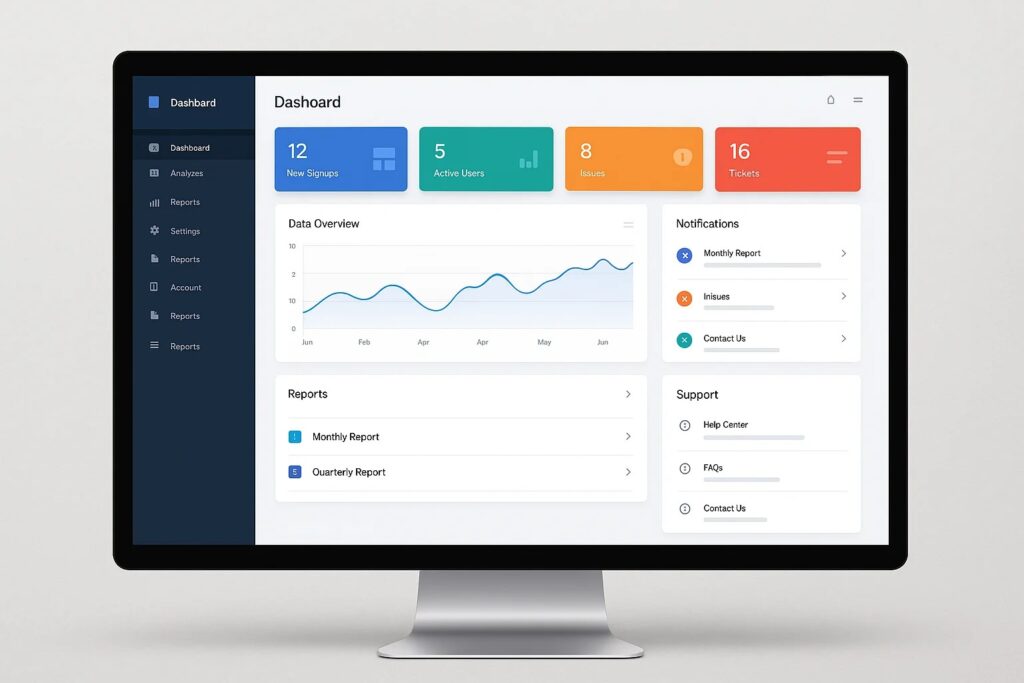
The official site and related materials point to a reporting and field-force workflow system called DISHA. One official result requests the field team to use the DISHA New Version and check required reports. Another official PDF describes dashboard elements such as product-wise, distributor-wise, and HQ views. An older user manual under the site’s theme directory also describes the login screen and says users type the website address to reach the sign-in page.
That suggests Microdisha is not just some generic front-end login for casual browsing. It looks like a work system, likely tied to reporting, data access, or field operations. Which explains why password control is tighter and why self-service reset is not front and center.
A lot of people get tripped up because they expect modern SaaS behavior from every portal. Signup link. Forgot password email. Mobile OTP. Fancy interface. Sometimes you just get a box for username, a box for password, and a note telling you to contact admin. Very 2000s. Still functional.
Common Microdisha Login Problems
This is the part people usually need after they have already muttered something at the screen.
Wrong Username or Password
The most common problem, obviously. The official sign-in page expects exact credentials. If your team or admin changed them recently and you are using older saved details, the login will refuse you. The browser can actually make this worse by “helping.”
Delete the auto-filled entry and type everything manually once. Boring fix. Weirdly effective.
Password Reset Confusion
The official page does not push a public self-reset flow. It says password reset should be handled through the Division Admin. So if you are clicking around looking for a consumer-style reset email link and not finding one, that is probably by design.
This is one of those moments where the system is being very clear, and users still wrestle with it because every other site trained us to expect instant self-service.
Slow Loading or Incomplete Page Access
Official Microdisha pages and even some older directory structures are live on the domain, which hints at a legacy-style web setup that may not always behave smoothly on every device or network.
That does not automatically mean something is broken. It may just mean the page is old-school enough to be picky. If the site loads halfway, hangs, or looks stripped down, try another browser or a stable desktop connection first.
Wrong Website
This one matters more than people think.
Search results include third-party articles, PDFs, directory pages, and random mentions. The actual official sign-in route is under the microdisha.com domain. If you are entering credentials anywhere else, stop. Back out. Start again from the main site or the known sign-in path.
A fake login page does not need to be sophisticated. It just needs you to be tired and in a hurry.
How to Reach the Right Page Faster
If you are doing this often, stop searching every time. That is one of those small habits that wastes more time than it looks like. The portal already has a direct login page under the official site, so once you verify it, bookmark it in your browser. The official site also exposes a Sign-In option in navigation if you prefer entering from the homepage.
That gives you two reliable entry points:
the official homepage and the direct official login page.
And yes, this sounds almost too simple to mention. But I have watched people search the same portal every morning, click a different result every morning, then complain the internet is unreliable. The internet is unreliable. That is true. Your habits can still make it worse.
Should You Save Your Password on the Login Page?
Technically, the sign-in page offers remember options. Practically, whether you should use them depends on the machine. The page includes choices to remember the username or password, which may be fine on a private, controlled device, but risky on a shared workstation or common office terminal.
If this is your own secured system and your organization allows it, maybe. If this is a desk that three other people touch between tea breaks, absolutely not. Do not hand your future self a security mess because you wanted to save seven seconds.
Some convenience features are like cheap plastic gears. Smooth at first, then suddenly stripped.
What to Do If You Forgot Your Password
Go through the Division Admin. That is the instruction shown on the official sign-in page itself.
I know, that answer is less exciting than some magical one-click reset. Still the right one.
If your organization has an internal IT contact, reporting lead, or admin process for account support, use that route. Do not trust outside “password recovery” pages or random blogs claiming they have a shortcut. If the official portal tells you admin handles resets, believe the portal.
A lot of credential theft starts with people getting impatient and grabbing the first workaround that looks plausible.
Is Microdisha a Public Portal?
From what the official pages show, it does not look like a general public self-registration platform. The presence of assigned usernames, admin-managed password reset, field-team messaging, and internal dashboard references points to a restricted-use system for authorized personnel.
That matters for search intent.
Some people search microdisha.com login expecting to create a new account. They may not be able to, at least not directly through a public registration form. If you need access, the usual path is likely through your organization, team admin, or division-level administrator.
Which, again, is less glamorous than consumer apps. But enterprise and internal systems are often built around control, not charm.
A Quick Word About Security
There is a specific kind of chaos that follows work portals around. Someone shares a login screenshot in a group. Someone saves credentials on a public machine. Someone clicks a search result from an untrusted page because the title matched what they typed. Then the trouble starts and everybody acts surprised.
Use the official microdisha.com domain. Verify the page before entering anything. Avoid third-party login instructions unless you are just using them to identify the official site, and even then, double-check against the official domain. The actual sign-in page and main site are enough for most users.
Also, if your team uses multiple related portals like the Micro Disha insights page, make sure you know which credentials go with which interface. Different but related systems sometimes look close enough to confuse people into repeated login failures.
Why People Keep Searching www.microdisha.com login
Because portals like this are functional, not memorable.
That is not even an insult. It is just the truth. Consumer apps are designed to be sticky. Work portals are designed to be accessible enough for the people who need them and forgotten by everybody else. So users keep going back to search engines. That habit creates its own little maze of outdated tutorials, copied summaries, and random blog posts trying to rank for the same phrase.
Which is why the simplest answer wins: the official Microdisha login is on the microdisha.com domain, and the sign-in page asks for a username and password with password resets routed through the Division Admin.
Sometimes the cleanest answer is also the least dramatic one.
Final Thoughts on Microdisha.com Login
If you searched microdisha.com login or www.microdisha.com login, you were probably trying to get to the official portal without stepping into a swamp of bad results. The official site does provide a clear sign-in path, and the login page itself tells you a lot: this is a controlled-access system, usernames and passwords are assigned, and password reset support goes through the Division Admin. The wider site and documents also suggest it is tied to DISHA, reporting workflows, and field-team usage, not random public signup traffic.
So keep it simple. Use the official domain. Bookmark the correct page once you verify it. Don’t trust lookalike results. And if the password goes sideways, don’t improvise like a movie hacker, just contact the admin who actually controls access.
That usually works better.
FAQs
1. What is the official Microdisha login website?
The official login is on the microdisha.com domain. Search results show a direct sign-in page under the official site, along with a homepage that includes a Sign-In menu option. Use the official domain only before entering credentials.
2. How do I reset my Microdisha password?
The official login page states that password reset should be handled through the Division Admin. So if you forgot your password or your login stops working, the right move is to contact the authorized admin rather than looking for outside reset tools.
3. Can anyone create a new account on Microdisha?
From the official pages, it appears to be a restricted-access system rather than a public self-signup portal. Assigned usernames, admin-managed resets, and field-team references all point to controlled organizational access instead of open registration.
4. Why is the Microdisha login page not opening properly?
Portal issues can come from slow networks, browser problems, or loading older-style web pages on unstable connections. First try the official domain again, then switch browsers or devices. If access still breaks, check internally with your admin or IT support.
5. What is DISHA New Version on Microdisha?
One official result on the Microdisha domain asks field teams to use DISHA New Version and review required reports. That suggests an updated working interface tied to reporting or field operations within the broader Microdisha system.
6. Is there more than one Microdisha login page?
There appears to be the main official sign-in page on microdisha.com and a related insights.microdisha.com login interface. They may serve different parts of the same broader system, so users should confirm which portal their organization actually uses.