

Human Resource Management Systems, often shortened as HRMS, have become the silent engines behind smooth corporate functioning. From tracking attendance to processing payroll, these systems reduce the chaos that once surrounded HR departments. And somewhere in this growing space, a particular platform called HRMS Globex has started to gain attention. Not just because of its features, but because of how intuitively it fits into everyday work life.
Now, the first impression many users have begins at the HRMS Globex login page. That screen—simple yet central—acts as the door to a system built to handle almost every employee-related task you can think of. But what makes this platform feel different from others? Maybe it’s the balance between usability and control. Maybe it’s the way it manages to feel human despite being software.
Imagine this: an employee late for work opens the portal in a hurry, updates attendance, checks pending approvals, and still gets to a meeting on time. Smooth, right? That’s the promise of Globex. It blends efficiency with clarity, letting HR teams and employees speak a common digital language. And once you’ve used it long enough, the steps become muscle memory—log in, check dashboard, approve requests, done.
In this blog, let’s explore what makes HRMS Globex stand out, why so many organizations rely on it, and how understanding its small details can make workdays less complicated, maybe even a bit enjoyable.
Understanding the Essence of HRMS Globex
`At its heart, HRMS Globex is not just a database—it’s a connected workspace. Designed for companies that juggle hundreds or even thousands of employees, it centralizes HR functions under one roof. Instead of using separate tools for attendance, payroll, or employee benefits, organizations can handle everything in one go.
The difference shows up in time saved. No endless spreadsheets or email chains. Just structured dashboards that make sense at a glance. Over time, it feels like the platform learns your workflow, aligning itself around daily routines rather than forcing users to adapt.
Why HRMS Systems Became Corporate Necessities
There was a time when HR meant paperwork, filing cabinets, and manual data entry. It worked—until it didn’t. As businesses grew, so did the complexity. Managing hundreds of employee records became impossible without automation. Platforms like HRMS Globex emerged from this exact need.
Today, companies don’t see HRMS tools as luxuries. They’re essentials. They bridge communication gaps between departments, provide clarity to employees, and make auditing effortless. In essence, HRMS software like Globex turned HR from reactive to proactive—anticipating needs before they turn into problems.
A Closer Look at the HRMS Globex Login Experience
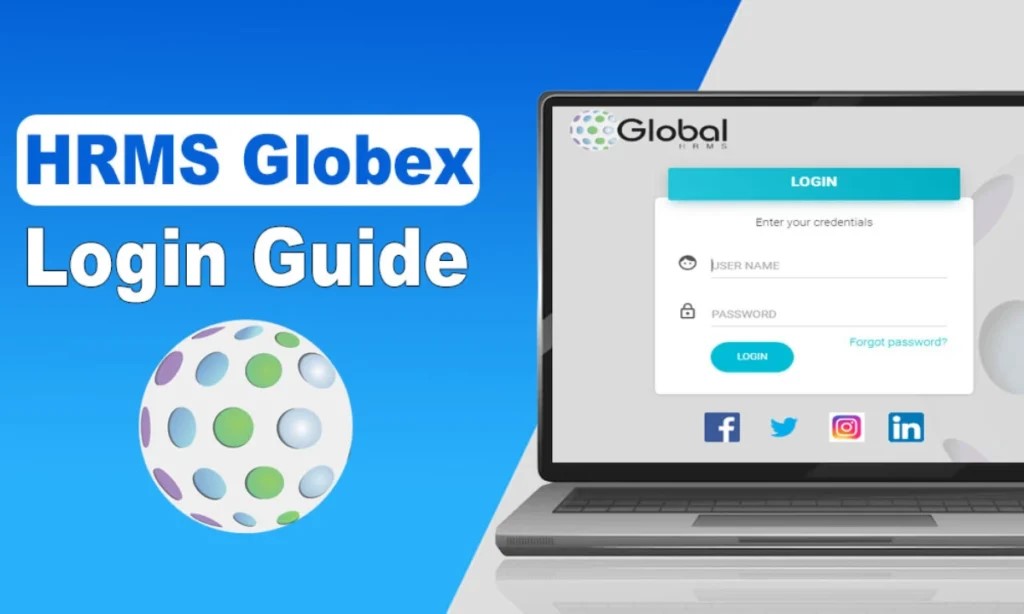
Let’s start where everyone does—the HRMS Globex login screen. It’s deceptively simple. A few fields, a clean interface, and within seconds, users find themselves in the core system. But that simplicity hides depth.
Behind the login, authentication layers protect user data with encryption. For employees, this means secure access to sensitive details like salary slips, leave records, and tax information. For organizations, it ensures compliance and confidentiality.
What’s more interesting is how the login isn’t just an entry point—it’s the beginning of personalization. Once inside, dashboards adapt to user roles, whether you’re an HR manager, a team lead, or a new recruit just learning the ropes.
Navigating the Dashboard Efficiently
The first thing users notice post-login is how tidy the interface feels. Everything has its place—attendance logs on one side, notifications on another, and analytics in between. You don’t need to click through endless menus. Most of what you need sits right there, within one or two taps.
For new users, it might take a few minutes to get used to it. But once familiar, it feels like second nature. Each section guides you naturally to the next—view leaves, approve requests, download payslips—all done before the coffee goes cold.
HR Automation That Feels Personal
Automation sometimes feels robotic, but here it doesn’t. The algorithms in HRMS Globex are designed with people in mind. For instance, automated leave approvals based on company rules remove delays, yet managers can still intervene when needed.
There’s balance. A sense that the system understands the rhythm of real workplaces—busy mornings, end-of-month crunches, those sudden staffing changes. Automation here isn’t about replacing humans; it’s about freeing them to focus on what matters.
Seamless Payroll and Compliance Integration
Payroll is the lifeline of any company. Errors here ripple through morale instantly. HRMS Globex addresses this with tight payroll integration. Once attendance and performance data are logged, salaries are calculated automatically according to predefined structures.
Taxes, bonuses, and deductions? All handled systematically. And because compliance varies across regions, the platform adjusts settings to meet legal standards. That means fewer mistakes, fewer penalties, and more trust between employees and HR.
Performance Tracking and Employee Insights
One underrated feature of HRMS Globex lies in its analytics. It’s not just about who clocked in or out—it’s about understanding patterns. Attendance trends, leave frequency, performance reviews, and even engagement metrics—all visible through detailed reports.
These insights help HR teams identify rising performers, areas that need attention, or trends that might affect retention. Over time, this data-driven clarity transforms HR from a support function into a strategic pillar of the business.
User Experience: Small Details That Matter
It’s often the small touches that decide how much users enjoy a platform. HRMS Globex nails those details—intuitive icons, responsive layouts, minimal lag. Notifications arrive softly rather than intrusively, and the color palette feels easy on the eyes during long work hours.
Employees don’t feel overwhelmed. Managers don’t get lost in options. It’s rare, but this software manages to keep both groups happy. And that’s not a small achievement considering how varied HR needs can be.
Mobile Accessibility for the Modern Workforce
Work doesn’t stop at the office door anymore. The mobile version of HRMS Globex keeps employees connected even on the go. Want to mark attendance from a client site? Done. Need to approve a request mid-flight? Possible.
It syncs seamlessly with the web platform, ensuring no data gaps. This mobile-first design reflects how the workplace has evolved—dynamic, fast, and rarely tied to a desk.
Security and Data Protection in Focus
In an age of data leaks, HR software must be airtight. HRMS Globex doesn’t take chances. Its multi-layered encryption protocols secure everything—from login credentials to payroll records. Regular system audits and updates ensure new vulnerabilities are patched before becoming threats.
The result? Peace of mind for both the organization and its employees. Sensitive data stays where it belongs, protected behind secure authentication layers.
Future-Ready and Scalable Platform
What makes HRMS Globex future-proof is its adaptability. Whether it’s a company of 50 or 5,000, the system scales effortlessly. As organizations expand, modules can be added without starting from scratch.
It’s built with the understanding that HR isn’t static. Processes evolve. Policies change. The platform grows with you, not against you—and that’s what separates it from short-lived software solutions.
Continuous Support and Upgrades
A platform is only as good as its maintenance. HRMS Globex stands out for its dedicated support system. Whenever updates roll out, they arrive smoothly—no downtime, no confusion. Users can also reach helpdesks via chat or email for instant issue resolution.
That level of support ensures that even less tech-savvy employees can rely on the system without hesitation.
Conclusion
In a world where efficiency defines success, HRMS Globex quietly powers that momentum. It takes the complexity of HR and turns it into clarity. From seamless HRMS Globex login access to intelligent automation and real-time analytics, everything aligns toward one goal—making HR simpler, faster, and more human. And maybe that’s why it works so well. It doesn’t just manage people—it understands them.