
It used to be simple. Get links, rank pages, repeat. But somewhere along the way, that stopped working the way it used to. Sites with fewer backlinks began outranking “stronger” domains. Newer websites started winning against older ones. And suddenly, everyone was asking the same quiet question. What does Google actually trust now?
The answer isn’t mysterious, but it’s uncomfortable. Google doesn’t just reward popularity anymore. It rewards understanding. Coverage. Consistency. A site that doesn’t just touch a topic, but lives inside it.
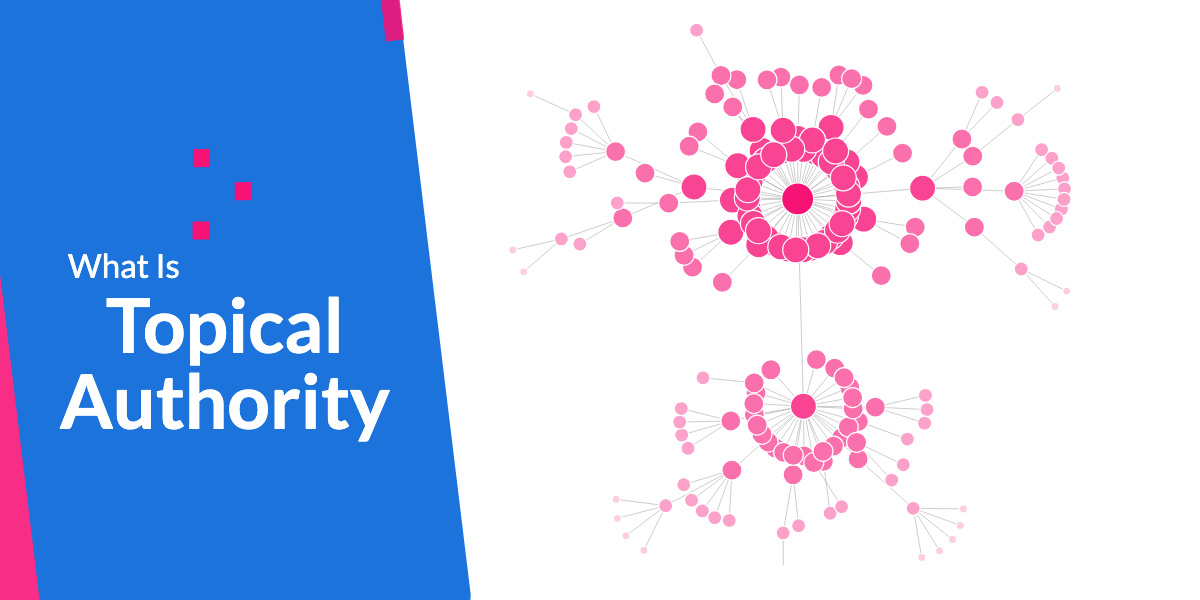
That’s where topical authority comes in. Not as a buzzword, not as a checklist, but as a shift in how search engines interpret credibility. When Google looks at a site today, it’s less interested in how many people point to you and more interested in whether you deserve to be the destination for that topic.
Think about how you search. When you’re deep into a problem, you don’t want one article. You want answers that connect. Follow-ups. Clarifications. Nuance. Google wants to surface sites that mirror that behavior.
This guide isn’t about hacks. It’s about building websites that feel inevitable in their niche. Sites that, over time, become hard to replace. Not because they gamed the system, but because they aligned with how the system actually thinks.
We’ll break down what topical authority really is, how Google evaluates it, how to build it without chasing backlinks, and where most people quietly get it wrong. No fluff. No rigid frameworks. Just a clear, human explanation of how trust is built in modern search.
Let’s get into it.
Why Google Trusts Coverage Not Just Links
Links still matter. But they’re no longer the full story. Google learned, slowly, that links can be manipulated. Coverage is harder to fake.
When a site consistently publishes content that answers related questions, explores subtopics, and connects ideas, it sends a different signal. This site understands the space. Not just one keyword. The ecosystem around it. That’s why topical authority google has become such a dominant force in rankings, even when link profiles look modest.
Coverage shows intent. It shows investment. A site that writes one article on a topic might be testing traffic. A site that builds thirty interrelated pieces is committing. Google notices that difference.
This is also why niche sites often outperform general ones now. Depth beats breadth when trust is on the line.
What Topical Authority Actually Is
Strip away the buzzwords and google topical authority becomes simple. It’s Google’s confidence that your site is a reliable source for a specific subject area.
Not for everything. For something.
It’s not about writing long content. It’s not about repeating keywords. It’s about demonstrating understanding across a topic’s full surface area. Definitions, edge cases, beginner questions, advanced nuances. The stuff real people ask when they’re actually engaged.
This is where topical relevance seo matters more than isolated optimization. Each piece reinforces the others. Together, they form a pattern that algorithms can recognize.
Authority emerges from cohesion, not from individual wins.
How Google Evaluates Topic Coverage
Google doesn’t read content like humans do, but it doesn’t read blindly either. It identifies entities, relationships, and context. That’s where entity based seo quietly operates in the background.
A topic isn’t just a keyword. It’s a network of related concepts. When your site consistently covers those concepts and connects them logically, you strengthen that network.
This is also where semantic seo plays a role. Meaning over matching. Context over repetition. Google isn’t counting how many times you say something. It’s evaluating whether you understand how ideas fit together.
Depth isn’t measured in words. It’s measured in completeness.
Topical Authority Vs Traditional SEO
Traditional SEO chased keywords. Modern SEO chases concepts.
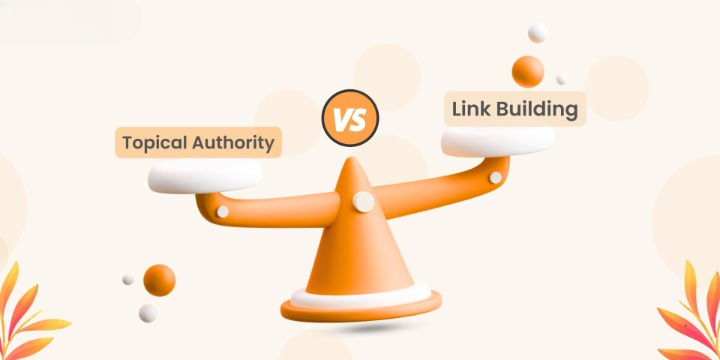
You can still rank a page with good on-page optimization and links. But sustaining that ranking is harder without topical support. That’s why topical authority vs backlinks isn’t a debate anymore. It’s a balance that’s shifted.
Backlinks can open the door. Authority keeps you in the room.
Sites built purely around keyword targeting often stall. Sites built around concepts tend to compound. That compounding effect is what people mistake for “SEO magic.”
It’s not magic. It’s alignment.
Pillar And Cluster Model Explained
One article rarely satisfies an entire topic. That’s the core flaw in most content strategies.
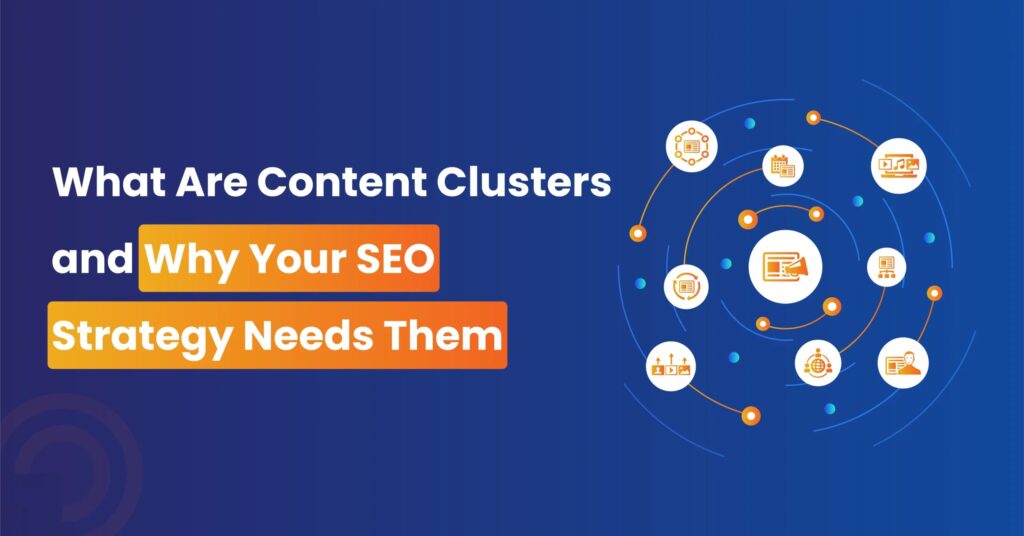
The pillar and cluster approach fixes that by design. A central, comprehensive page anchors the topic. Supporting articles explore subtopics in detail. Together, they form topic clusters seo that signal depth and structure.
This is also where content clusters seo differ from random blog posts. They’re intentional. Planned. Connected.
A single article can rank. A cluster can dominate.
Internal Linking For Authority
Links inside your site do more than pass PageRank. They teach Google how your content fits together.
A thoughtful internal linking seo strategy creates flow. Users move naturally between related ideas. Crawlers do too. Anchor text reinforces context. Hierarchy becomes clear.
This is where many sites fall apart. They publish good content but fail to connect it. The result feels fragmented. Authority stays diluted.
Strong internal linking doesn’t feel forced. It feels helpful.
Content Depth Vs Content Volume
More content isn’t always better. But thin coverage is worse.
The question isn’t how much you publish. It’s whether your content answers the real questions behind a topic. That’s what topical coverage seo is actually about.
Sometimes that means ten articles. Sometimes fifty. There’s no magic number. Only gaps. When users have to leave your site to learn the next thing, that’s a gap.
Volume without depth looks busy. Depth without coverage looks incomplete.
Building Authority Without Backlinks
This is where things get interesting.
Yes, you can build seo without backlinks, especially in niches where competition is content-driven rather than brand-driven. When your site becomes the most complete resource, links often follow naturally. But even before they do, rankings can move.
This is why authority building seo today often starts with content architecture, not outreach. Internal trust precedes external validation.
That said, links still matter at scale. The difference is timing. Authority-first sites earn links. Link-first sites chase relevance.
Topical Authority Mistakes
The most common mistake is overlap. Writing multiple articles that cannibalize each other. Another is thin expansion. Publishing just to fill a cluster.
Poor content silo seo breaks cohesion. Weak silos confuse both users and crawlers. Authority doesn’t stack when structure collapses.
Another mistake is impatience. Topical authority compounds slowly. It’s not a campaign. It’s a posture.
How To Measure Topical Authority
There’s no single metric, but patterns emerge.
Ranking breadth improves. New pages rank faster. Older pages stabilize. Internal links pass value more efficiently. That’s sitewide authority seo in action.
Tools help, but observation matters more. Are you becoming the obvious answer in your niche? That’s the real signal.
Conclusion
Topical authority isn’t a trick. It’s alignment with how Google evaluates trust today. By focusing on depth, connections, and relevance, you build sites that last. Backlinks help, but understanding wins. Over time, authority becomes inevitable.