

Email is still a vital component of both personal and professional communication in today’s fast-paced digital environment. Gmail distinguishes out above other email services because of its robust tools, AI-powered capabilities, and ease of use. Gmail has a number of clever features that help simplify your life, whether you’re managing a messy inbox or replying to messages while on the road. Gmail personalized smart replies is one such tool that uses machine learning to provide users with context-aware suggestions in real time.
While some users enjoy these automatic features, others can find Gmail’s extensive feature set overwhelming. People frequently ask questions like how to find archived emails in Gmail or how to delete a Gmail account as they want to have more control over their email experience. Some capabilities of the platform, such as the ability to unsend an email in Gmail or restore an account without backup access, like a phone number or recovery email, are hidden in plain sight.
Then there’s the problem of inbox management. People frequently inquire, How to delete all emails on Gmail or How to sign out securely. Others may seek how to block emails on Gmail after receiving obnoxious spam or useless communications. Despite this, people frequently ask where to find archived emails in Gmail since the UI can be difficult to use.
We’ll go far into the Gmail ecosystem in this in-depth tutorial, uncovering clever methods to manage your inbox more effectively, clearing up frequent questions, and uncovering hidden techniques. Regardless of your level of experience, this tutorial will provide you with the knowledge you need to make the most of Gmail.
Knowing Smart Replies and Their Significance
Artificial intelligence is used by Gmail’s Smart Reply function to recommend brief, contextually relevant email answers. When you’re pressed for time and need to respond with prompt acknowledgements or confirmations, this tool is really helpful. The algorithm adapts its recommendations to your usual response style by learning from your communication habits. This function becomes a smooth part of your email routine as it gradually fits in with your tone and habits. To make sure the recommendations appropriately convey your intentions, it’s crucial to check them over before delivering them.
How to Delete a Gmail Account Correctly
It takes more than simply exiting Gmail or uninstalling the app from your smartphone to permanently delete an account. In order to remove a service or your whole account, you must go to Data & Privacy in your Google Account settings. Google provides a confirmation email with additional instructions when you decide to remove Gmail. Since deletion is irrevocable, it is crucial to back up your data before moving on. By doing this, Google will permanently delete all of your emails and related data from its servers.
Finding Old Emails: A Secret Skill
Archived emails frequently cause confusion for customers who know they haven’t been erased but can’t locate them in their inbox. When you archive a message in Gmail, the Inbox label is simply removed because the system is label-based. Go to the All Mail area, which contains all messages save spam and garbage, to find these emails. To find old information, you may also search by sender or keyword. It is simpler to arrange messages when you understand this technique and don’t worry about missing any crucial communications.
You Can Unsend That Email!
Everyone has made the mistake of sending an email to the incorrect person or pressing the send button too soon. Thankfully, Gmail has an option called Undo Send that allows you to take back your message for a few seconds. You may change the cancellation period to up to 30 seconds by activating this option from the Settings menu. Once enabled, you may reverse your action before it reaches the recipient’s inbox by using the little pop-up that shows after each sent email.
Gmail Password Recovery Without Backup Options
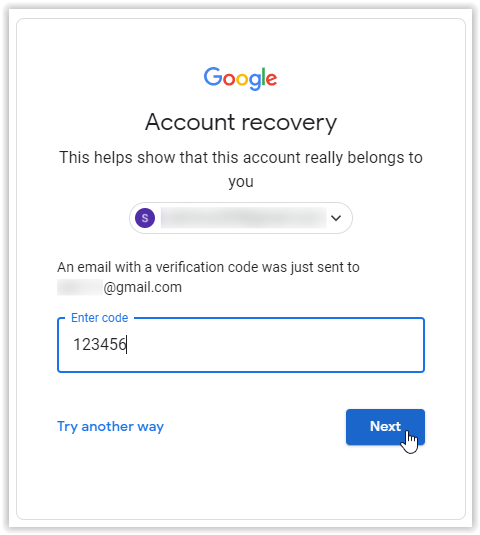
If you don’t have access to your recovery email or phone number, forgetting your Gmail password gets much more difficult. Fortunately, you can still get back in by following Google’s identity verification methods. These consist of responding to security questions, confirming the date of your Gmail account creation, or using a secondary Google device to authenticate yourself. Although the procedure is not always immediate, if you properly follow the instructions, you have a good chance of recovering.
Handling Enormous Inboxes: Eliminating Every Email at Once
There is a technique to clean up your Gmail inbox without erasing your whole account if it has grown out of hand. Filter your emails by date, sender, or category using the search bar, then choose all of the messages on the screen. With Gmail, you can Select all conversations that match this search, allowing for wholesale deletion in a matter of seconds. It’s a good way to clear out your inbox and start again, particularly if you have hundreds of unread messages.
Exiting Gmail: Safeguarding Your Account
To protect your privacy when using a shared or public device, you must sign out of Gmail. To accomplish this on a desktop, click the profile symbol in the upper-right corner and choose Sign out. It entails removing the Google account from your device’s settings on a mobile device. By accessing the security settings of your Google Account and controlling current sessions, you may also remotely log out from any device. Even if you forget to log out on another device, this guarantees that no illegal access will occur.
Taking Charge of Your Inbox by Blocking Emails
It might be annoying to keep getting spam or unsolicited communications, especially when the sender keeps sending them. Blocking particular email addresses in Gmail is simple. Select Block from the three-dot menu after opening the message. That sender’s subsequent emails will be automatically redirected to your spam folder. This works well for keeping your attention on your email and minimizing distractions.
The Difference Between Gmail Archives and Deleting
The secret to effectively managing your emails is knowing the difference between archiving and deleting them. An email that has been deleted is moved to the Trash folder, where it will be deleted permanently after 30 days. In contrast, archiving only takes it out of the inbox without erasing it, so you may access it at a later time. By making this difference, users may save critical communications that they might require later on while also keeping their inboxes clean.
Gmail’s Future: More Intelligent, Easy, and Secure
As it develops further, Gmail adds capabilities that combine AI with usability. In order to facilitate collaboration across papers, chats, and emails, Google is attempting to further integrate its productivity tools with Gmail. Additionally, enhanced security features like end-to-end encryption, phishing alarms, and confidential mode are becoming commonplace. Gmail continues to be a leading option for email communication worldwide thanks to frequent improvements and an emphasis on user experience.
Final Thoughts
More than simply an email service, Gmail is a feature-rich, intelligent platform that meets the demands of all users. Gmail guarantees simplicity without sacrificing control with features like customized smart answers and sophisticated account recovery options. Knowing how to use these tools may improve your email game, whether you’re attempting to retrieve deleted messages, organize your inbox, or just practice better digital hygiene. Email management doesn’t have to be a difficult undertaking if you take advantage of Gmail’s features.