
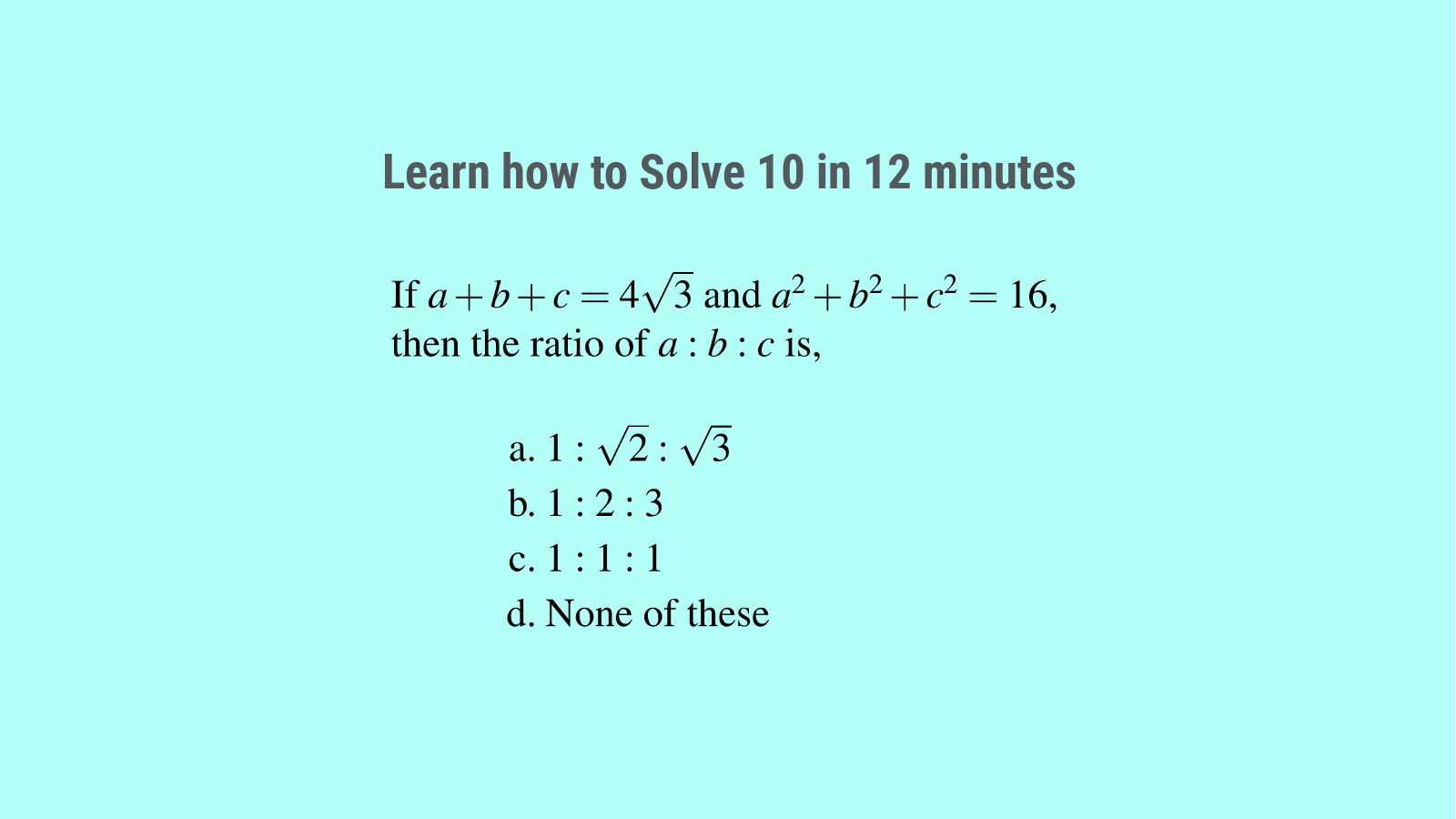
Learning, sharing, and interacting with knowledge have all changed as a result of the digital age. Through social media sites like Twitter, mathematics has become one of the numerous niches that have found a home online. For those who are interested, times algebra twitter is an intriguing nexus of social networking and mathematical education. Algebra conversations are now flourishing in brief, engaging formats throughout Twitter’s extensive ecosystem rather than being restricted to schools or textbooks.
What is times algebra twitter exactly? The phrase describes how real-time Twitter conversations regarding algebraic concepts—specifically, multiplication and problem-solving techniques—develop. In active discussions amongst students, educators, mathematicians, and hobbyists, difficult subjects are simplified into easily understood postings that frequently include images, graphs, and hashtags to make learning approachable and even pleasurable.
Twitter has evolved into a center for intellectual groups rather than just a microblogging platform. Trending threads and hashtags centered around algebra have made it simpler for students all across the world to participate, ask questions, and get immediate feedback. The power of collaborative digital education is demonstrated by this change.
Times Algebra Twitter is significant because it makes ideas that many people find intimidating easier to understand. It fosters curiosity and lessens fear by fusing mathematical reasoning with social engagement. Algebraic students may now interact with mentors, follow detailed instructions, and even take part in math contests. In the meantime, teachers find it to be an effective tool for reaching and influencing people outside of the traditional classroom.
This blog examines the operation of Times Algebra Twitter, its significance, and its effects on online education. We will explore how Twitter has developed into a surprising yet powerful platform for algebra and mathematical study, taking into account both its distinctive culture and its function in global education.
The Development Of Twitter Math Communities
The widespread use of Time Algebra Twitter is a result of the platform’s expanding trend of niche communities. Like-minded organizations can be found on Twitter, and math lovers have created vibrant communities where algebraic concepts are freely debated. This change has democratized education by providing access to professional advice for students all across the world.
Clarifying the Times Algebra Concept on Twitter
Fundamentally, Times Algebra Discussions about algebra and multiplication are the main emphasis of Twitter. The phrase emphasizes how particular areas of mathematics—like algebra—become popular subjects. Twitter has helped math overcome its stigma as a subject best left to experts by elevating algebra to the forefront of conversations.
Why Twitter Becomes a Home for Algebra
Twitter makes algebra approachable, despite the fact that it is frequently perceived as abstract and difficult. Clear, simple, and interesting explanations are encouraged by the short character constraints. Users exchange equations, solutions to problems, and real-world examples to make complex ideas easier for readers to understand.
Hashtags’ Function in Creating Math Conversations
Hashtags are crucial to Times Algebra Twitter’s expansion. Teachers and students can develop a searchable knowledge repository by labeling posts with math-related terms. Without using traditional textbooks, new students can rapidly locate discussions on particular algebraic concepts using these hashtags.
The Benefits of Times Algebra for Education Twitter
The educational value of Times Algebra Twitter is one of its best features. Peers and teachers can provide step-by-step instructions and support to students who are scared of algebra. The platform’s interactive features encourage active learning by transforming a passive subject into an engaging dialogue.
The Social Aspect of Conversations in Algebra
Outside of the classroom, Times Algebra Twitter fosters social relationships. People participate in cooperative problem-solving, pleasant arguments, and numerical challenges. This social component enhances the learning experience and dispels the myth that algebra is a lonely subject.
Teachers and Times Algebra Specialists Twitter
Teachers and math professionals utilize Times Algebra Twitter as a way to teach outside of the classroom. They establish a global network of support for students by exchanging tactics, responding to inquiries, and publishing lessons. Through these interactions, numerous educators have developed professional networks.
Time Algebra’s Difficulties and Restrictions on Twitter
It has drawbacks despite its advantages. Not all conversations about algebra are accurate, and false information can spread fast. Furthermore, complicated ideas may be oversimplified by Twitter’s brief format. For complete understanding, students must combine their online learning with more in-depth research.
Effects on Math Education Worldwide
Algebra in Times Twitter has had a big impact on math teaching around the world. It incorporates creative teaching methods, fosters cross-cultural connections, and promotes collaborative learning. It has an especially powerful effect on areas with limited access to resources for formal schooling.
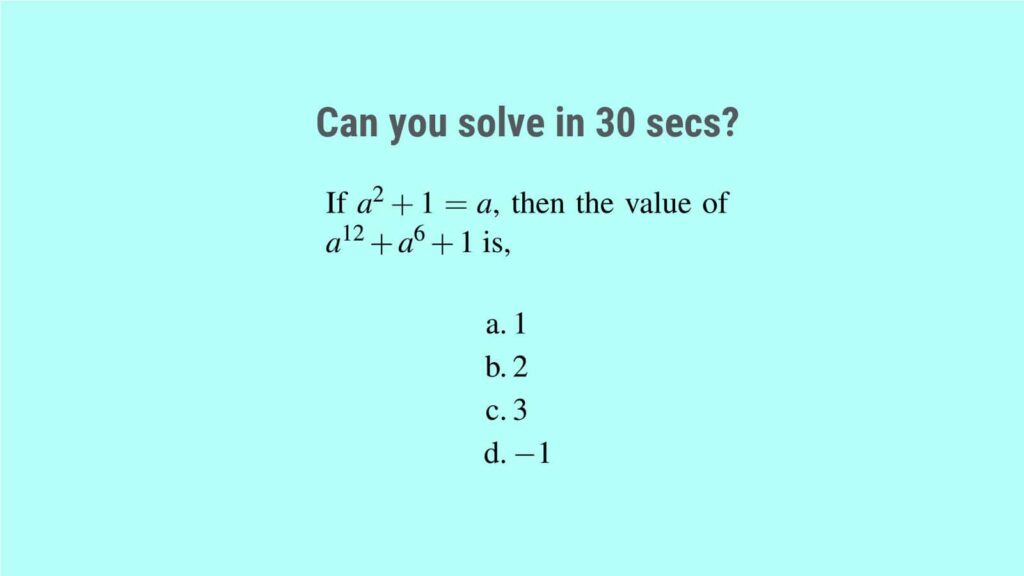
Times Algebra’s Future Twitter
Future Prospects for Times Algebra: As more teachers use social media for instruction, Twitter appears to be a promising platform. This community may incorporate video content, live sessions, and interactive features as digital capabilities advance, further expanding algebra’s accessibility on a global scale.
Final Thoughts
Examining times algebra twitter demonstrates how social media has changed how we think about arithmetic. What appeared to be limited to classrooms now flourishes in vibrant online environments. Through its ability to make mathematics accessible, interactive, and worldwide, Twitter has emerged as a surprising yet potent teaching tool. Times Algebra Twitter exemplifies how digital platforms may transform the experience of learning and teaching mathematics in the current day, whether for students who are having conceptual difficulties or educators looking for creative outreach.